
On March 12, the Baylor University student chapter of Turning Point USA announced on Instagram that TPUSA’s spring “Turning Point Tour” would make a stop at Baylor on April 22. According to the post, the event would feature conservative media personality Benny Johnson, President Trump’s “border czar” Tom Homan, and Donald Trump Jr.
As frustration over Baylor hosting the event simmered among many of the university’s more progressive stakeholders and observers, several current students began discussing a potential response in a group text.
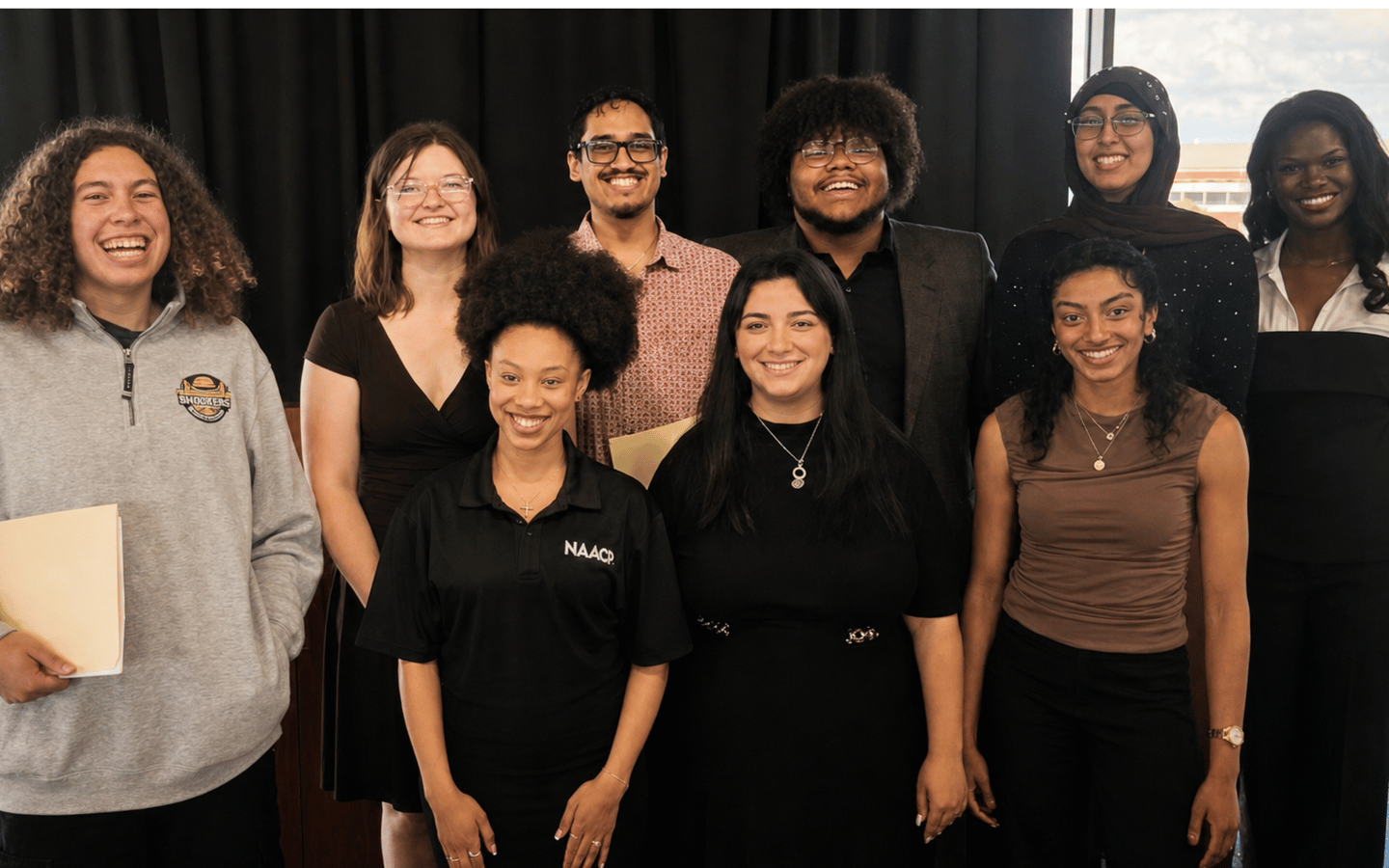
The result was “All Are Neighbors,” a celebration of diversity and inclusion featuring students and guest speakers. The alternative event took place the same evening, less than half a mile from Waco Hall, where TPUSA held its event.
I recently sat down with three of the students who helped bring “All Are Neighbors” to Baylor. We discussed the logistics behind the event, misconceptions about its purpose, and where they believe Baylor stands in the ongoing struggle for justice and inclusion. Portions of our conversation have been edited for clarity.
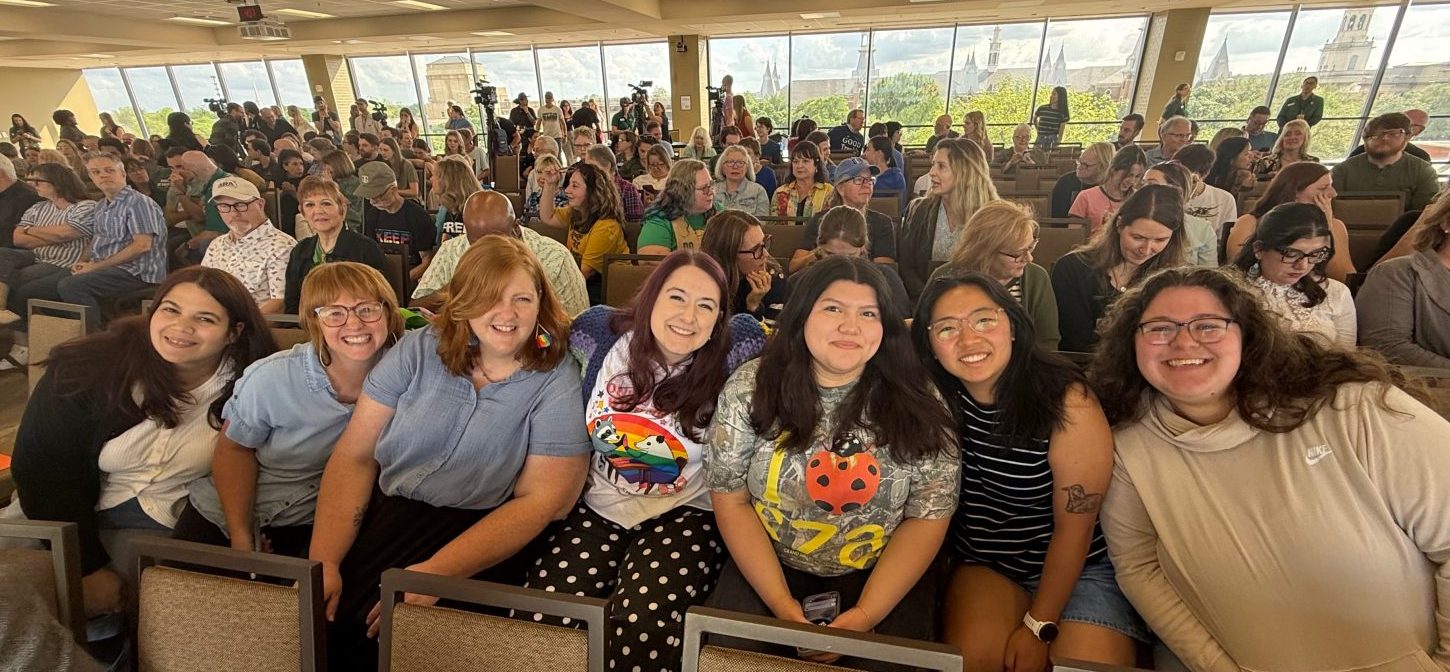
All Are Neighbors (Credit: Ryan McCord)
Seasoned Organizers
In an earlier op-ed on my takeaways from the “All Are Neighbors” and TPUSA events, I argued that political observers often treat college students as pawns in our culture wars. I still believe there is truth in that claim, but it needed more nuance than I gave it.
For one thing, it overlooked the reality that these “culture wars” are not abstractions for young adults; they are struggles over rights, dignity and the ability to flourish as students prepare for the next phase of life.
It also missed a key distinction. While both events involved some level of coordination with older adults who had emotional investment in the outcomes, there was a clear difference between TPUSA, where students largely served as the audience, and “All Are Neighbors,” which was overwhelmingly student-initiated and student-led.
In my conversation with Hanna Al-Hayek, JW LaStrape, and Tanish Singh, I quickly recognized a level of community-organizing acumen that many people do not develop until much later in life. These are socially aware students who came of age during the eras of George Floyd, Black Lives Matter, COVID-19, and the wars in Ukraine and Gaza. They were not strangers brought together by the TPUSA announcement, but had already spent years working alongside one another in student organizations with overlapping goals.
When I asked how they initially came up with the idea of “All Are Neighbors,” LaStrape quickly launched into a description of game theory, which studies how rational actors cooperate or compete to maximize positive outcomes.
“When an organization such as Turning Point comes to do an event, if you are opposed to their message, there are three options in levels of confrontation you can take,” LaStrape, the president of Baylor College Democrats, said. “The first is counter programming—another event in the same general area that provides an explicit alternate message, but not an explicit protest. The second option, which we were not going to do, is to picket the event. That’s the type of thing right-wing provocateurs want so that they can get likes on their social media feeds with captions reading, ‘look at those unhinged liberals who hate us.’ And the third is direct confrontation, where you go in and try to disrupt the event.”
“Obviously, we landed on option one,” LaStrape added. “And in hindsight, it was the best decision to provide a contrasting message of pluralism for our world, as opposed to the exclusionary, Christian nationalist, right-wing message TPUSA was bringing to campus.”
The next decision was where the location would be. Originally, the students wanted the “All Are Neighbors” to be off-campus so that they could provide a robust program for the community. But after deciding they didn’t have the resources or time for that, and seeing a groundswell of student support for an alternate event, they turned their attention to the Baylor campus.
Institutional Approval
Given recent history and what some see as a rightward shift in the Baylor environment, many observers may assume that getting approval from Baylor to hold “All Are Neighbors” on campus was the challenging part. According to the students, it was actually fairly easy.
After submitting a request through Connect, Baylor’s online portal for approving student events, and a video call with various campus stakeholders, the event was approved. “To their credit,” LaStrape, a Waco, Texas senior, said, “their only serious concern was security.”
Since “All Are Neighbors” was seen as an alternative to Turning Point, the students were told on their video call with administrators that they would receive the same privileges and restrictions that the administration had worked out with TPUSA. According to LaStrape, this included an allowance for 125 special guests, with the rest of the tickets reserved for current students, faculty and staff.
All Are Neighbors
With Baylor’s approval of the event, students began crafting the program.
The eventual run of show featured numerous student speakers from various religious and cultural backgrounds, as well as Dr. Greg Garrett, a Baylor professor who has been on TPUSA’s “professor watchlist.” However, a small handful of invited speakers received the most media attention prior to the event the event.
According to Tanish Singh, a grad student from Austin who is part of the unofficial student group “Baylor for Peace,” the coalition cast a wide net to find speakers. They asked everyone they knew who might have connections with leaders whose national profiles would give “All Are Neighbors” enough exposure to provide an effective counter-message to TPUSA.
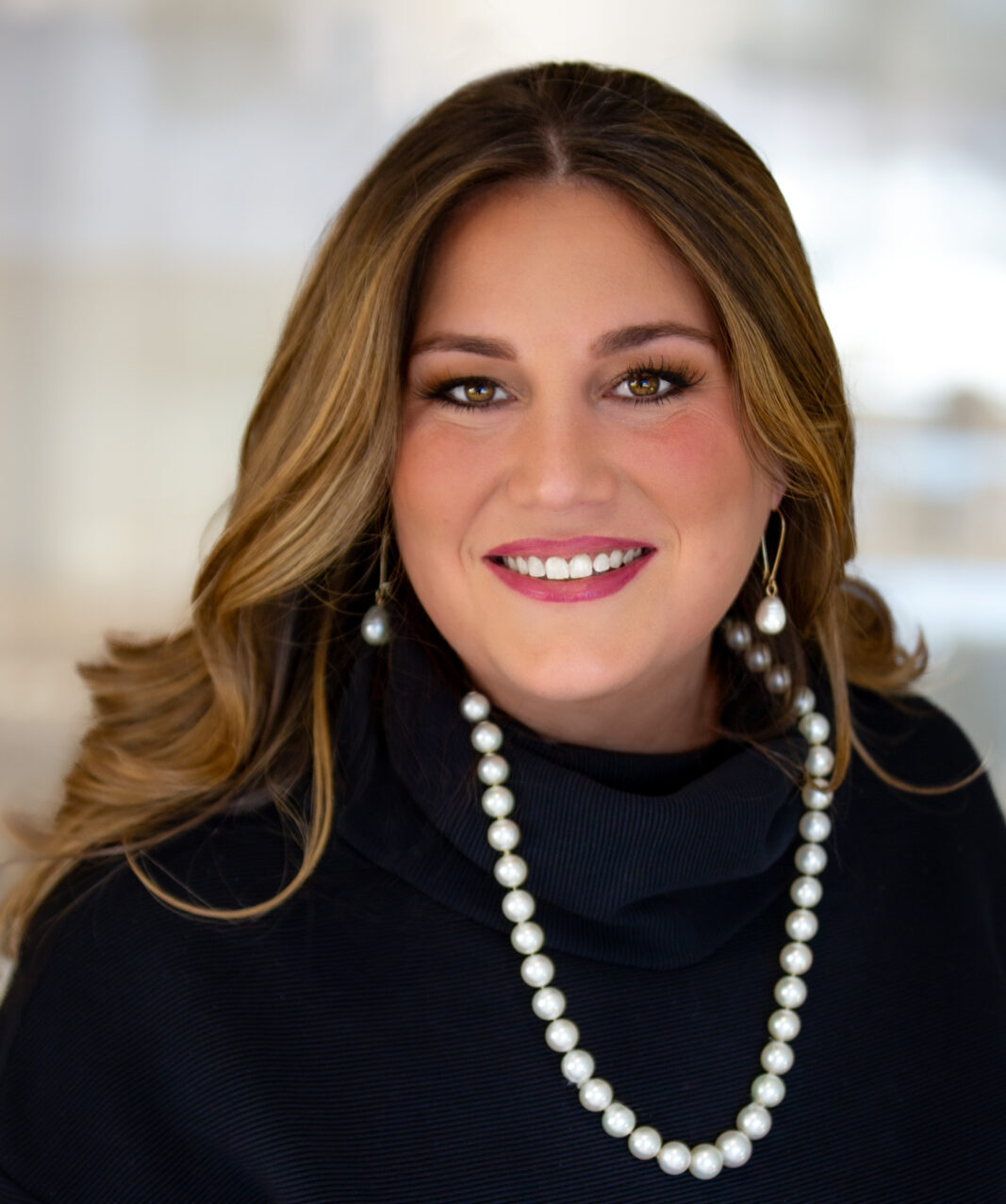
Skye Perryman
One of those connections came from Houston junior Hanna Al-Hayek, who had met Skye Perryman on campus earlier in the semester when Perryman delivered an endowed lecture for the Baylor Religion Department. In her lecture, Perryman, a Baylor graduate and president and CEO of Democracy Forward, was critical of the administration for allowing TPUSA a platform on campus.
Perryman and others helped connect the students to various nationally recognized personalities. According to Al-Hayek, after Perryman and other faculty, staff, and community allies were invited into the coalition, they were extremely deferential, checking in continuously to ensure that the assistance they were offering aligned with the students’ vision for the event.
That vision was clear: To uplift a message of diversity, inclusion, and love for all our neighbors. What it wasn’t intended to be, according to the students, was an “LGBTQ+ vs. TPUSA” event, which is what many in the media began to frame it as once Paul Raushenbush, president and CEO of Interfaith Alliance, and Kelly Robinson, president of the Human Rights Campaign, came on board. Both Raushenbush and Robinson are LGBTQ+ Christians, but they were just two of almost a dozen speakers, most of whom were students.
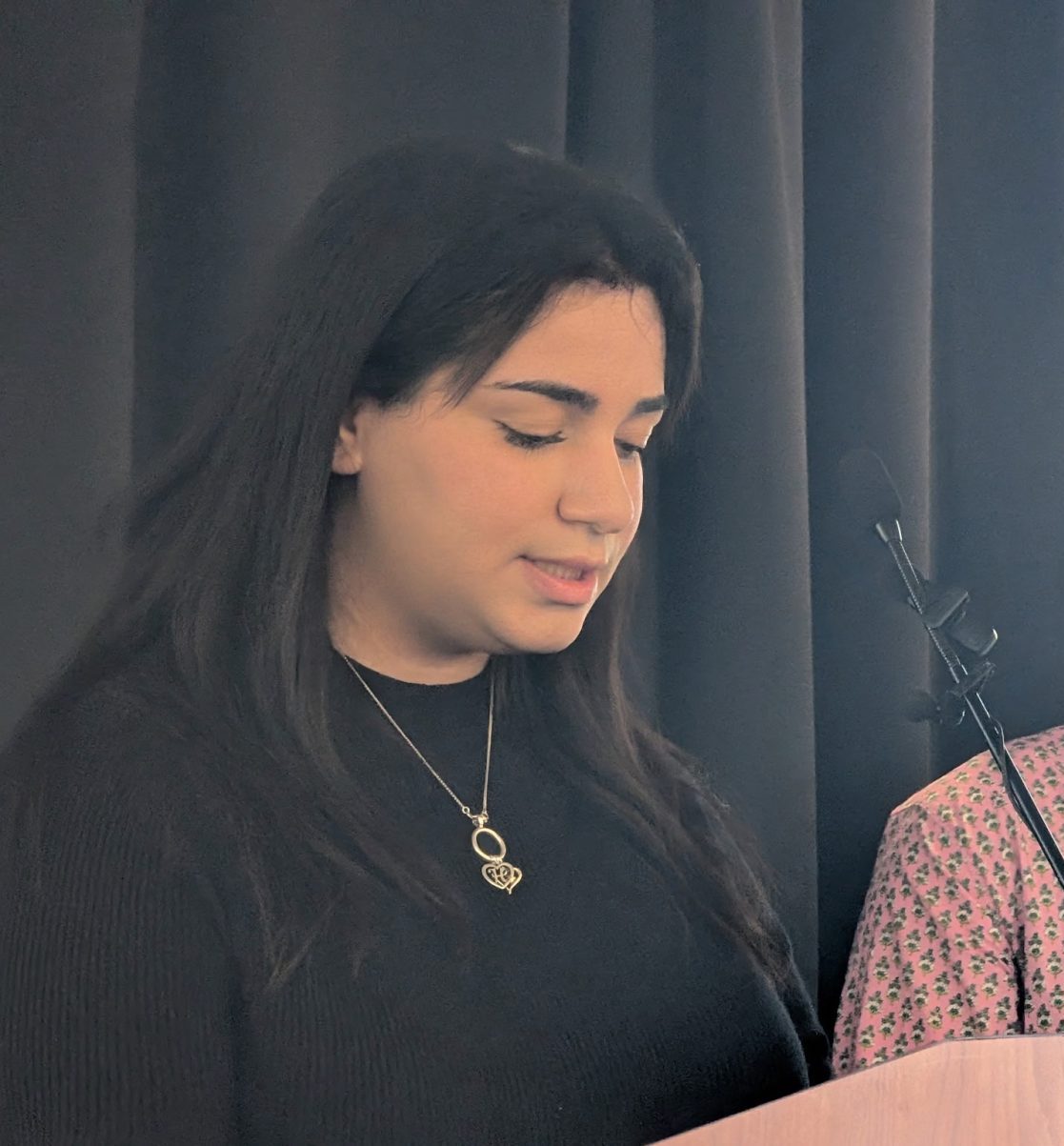
Hanna Al-Hayek
Al-Hayek, LaStrape, and Singh didn’t spend much time discussing the TPUSA event, but on the issue of inclusion, the contrast was too glaring to gloss over. “They only gave a platform to three older white men,” Al-Hayek said. “We gave a platform to everybody.”
For Singh, it wasn’t enough just to talk about the marginalized. “I was pretty adamant,” he said, “that if we were just going to advocate for the oppressed in our micro society (Baylor), then that would have been a failure. We needed to advocate with them. We wanted to focus on voices that otherwise have been silenced.”
The challenge of diversity is that you can always bring more people to the table, a challenge Singh recognized at the end of our conversation. “I’m proud of the work we did,” he said, “but we realized later that we didn’t have an interpreter (for the deaf and hard of hearing). For future events, I also hope we can add Indigenous voices, and maybe even a Ukrainian to speak of on the suffering of war or a Jewish voice to speak on the rising prevalence of antisemitism.”
Can Baylor Be Better?
Two questions have animated conversations in the Baylor community since the “All Are Neighbors” event was first announced. The first is whether the event would have been allowed if the students had requested it before the TPUSA event was approved. The second is whether “All Are Neighbors” has sparked hope for a brighter, more inclusive future at Baylor.
The students I spoke with are thankful that the Baylor administration allowed their event to occur like any other student event. Still, each of them has doubts about whether it would have happened had TPUSA not forced the institution’s hand from a public relations perspective.
Even so, Al-Hayek will take it. “It’s unfortunate it took something like a Turning Point event to foster something like this,” she said. “But I’m glad it did, because it did foster something good.”
As for the future, they are less certain about the outcome.
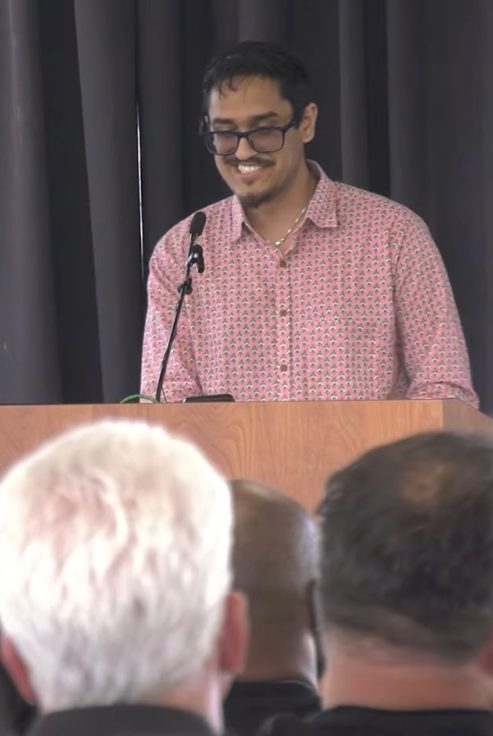
Tanish Singh
Although all the students I spoke with are on their own unique spiritual and religious journey, they all come from different traditions: LaStrape grew up in the Churches of Christ. Singh has a Hindu background. Al-Hayek is Palestinian, grew up Muslim, and attended Orthodox schools. Their paths all converged in the struggle for social justice.
Each of them, however, pointed to Baylor’s Christian commitment as a path toward a more loving, inclusive university community.
“‘All Are Neighbors’ doesn’t just align with what any academic institution should want to promote,” Al-Hayek said. “But it is also a Christian message, which is to love your neighbor without qualifications.”
For LaStrape, the question isn’t whether Baylor can embrace a vision of pluralism and still identify as a Christian institution, but whether it can be one if it doesn’t. “For me, it’s not so much about whether Baylor can remain a Christian institution,” he said. “It’s more about whether it can become one.”
Singh’s view is equally pointed. “I think Baylor has to make a choice between following a specific reading of the Bible or following Jesus,” he said. “And if they don’t choose Jesus, I don’t see how they can call themselves Christian.”
- About the Author
- Latest Posts

Senior Editor at Good Faith Media.