
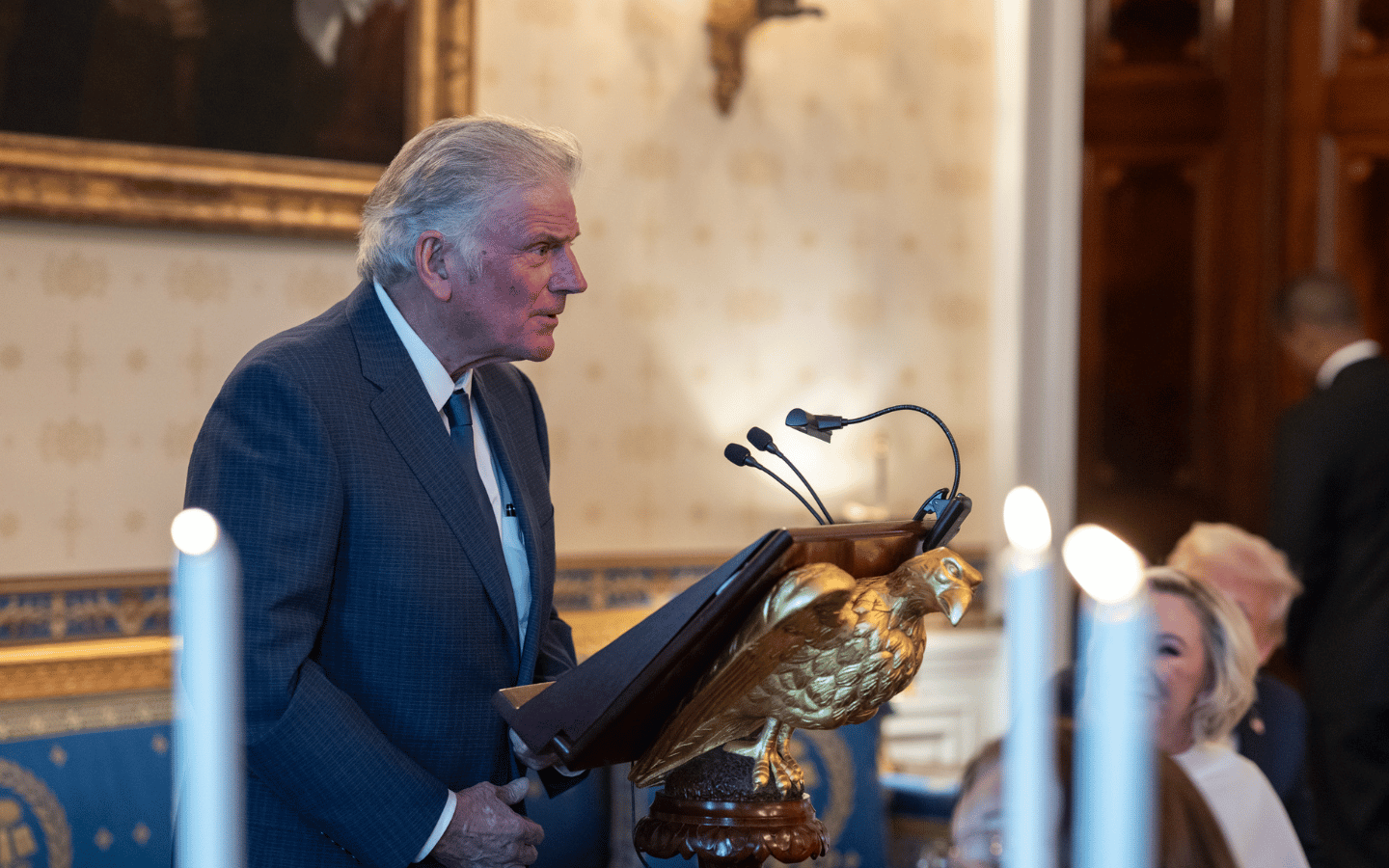
As Americans woke up to the news on Saturday morning that the U.S. government had launched large-scale attacks against Iran, those on X awoke to the predictable sound of evangelical leaders racing to fawn over the actions of the man for whom they have compromised their witness, Donald Trump.
Jack Graham, pastor of Prestonwood Baptist Church, a 45,000-member megachurch in the Dallas area, called for prayer for total military victory “as we liberate the Persian people and end decades of oppression and terror in the region.” Graham went on to declare confidently, “This is a just war and a noble operation.”
Other calls for prayer came from Paula White, one of Trump’s closest evangelical advisers.
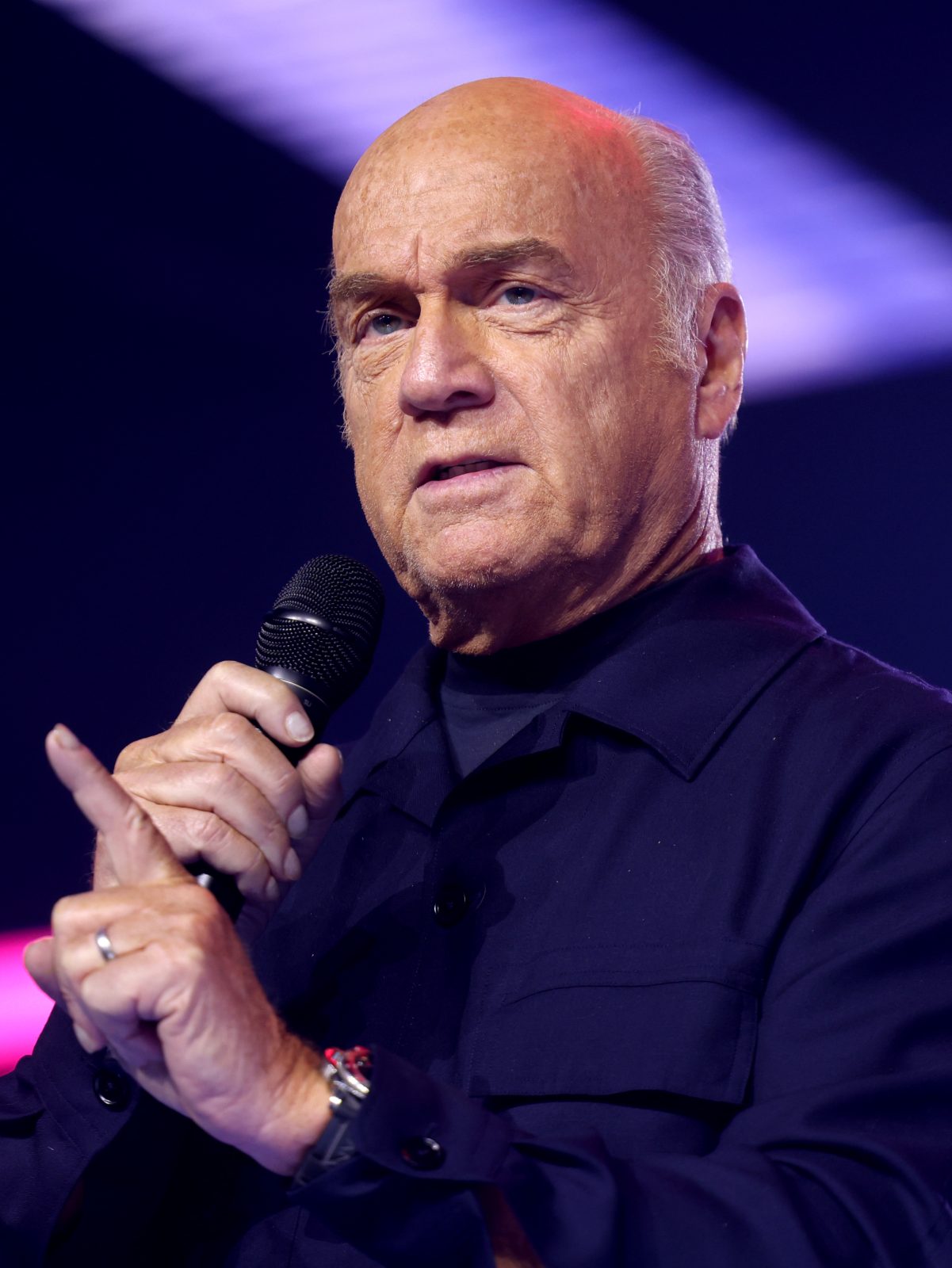
Greg Laurie
Greg Laurie, an evangelist and pastor at Harvest Christian Church in Riverside, California, connected the actions to biblical prophecy. “The Bible doesn’t tell us the date of Christ’s return, but it does tell us to watch,” he wrote. “Ezekiel 38 mentions ‘Persia’—which many Bible teachers identify with modern Iran—as part of a future coalition against Israel. So events like this don’t make me set a date, but they do make me take Jesus’ words seriously: ‘When these things begin to happen, look up.’ The right response isn’t panic—it’s prayer, faith, and getting the gospel to as many people as possible, because only Christ can give real peace.”
The most troubling words, however, came from one of Trump’s most shameless court evangelicals, Franklin Graham. In one post, he wrote a word of thanks to the president “for giving the Iranian people a chance to be free.” This sentiment is not unlike what many around the world hope for the people of Iran, regardless of what we think about military action.
However, in an earlier post, Graham framed that aspiration with more concerning spiritual rhetoric: “Pray for our military in the operation against Iran, for [President Trump], and that the people of Iran will be set free from the bondage of Islam.” (Emphasis mine.)
In this post, Franklin Graham announced in the clearest terms possible what he has long expressed less explicitly: his belief that America is a “Christian nation” in the same way that Iran is an Islamic republic. For the son of America’s most storied evangelist, Billy Graham, the religious identity of our nation isn’t just about dominance in numbers or the shaping of society. God, for Graham, is also inextricably fused with military action, welded into the bullets we fling and the bombs we drop.
The danger of this language should not be glossed over in the ordinary chaos of war and the extraordinary chaos of a world in which Donald Trump is president of the United States. Franklin Graham, one of Trump’s closest religious advisers, has framed our actions in Iran as a crusade—not in the way his father borrowed the term for his evangelical rallies (as irresponsible as that was), but in the medieval manner in which “Christian” kings baptized the bloodshed they wrought as a sacred mission.

Pete Hegseth
If it were just Graham who had been playing this dangerous word game, that would be one thing. Sadly, it is now a mainstay at the Pentagon. Pete Hegseth, Trump’s defense secretary, has made no secret of the fact that he views his role at the helm of the U.S. war machine not merely as informed by his faith, but as the tip of the spear for spreading Christianity. In a chilling comment during February’s National Prayer Breakfast, Hegseth connected the work of U.S. soldiers in war to the status of their eternal souls. “The warrior who is willing to lay down his life for his unit, his country and his creator—that warrior finds eternal life,” he said.
Hegseth’s and Graham’s crusader framing of war may tingle the ears of their evangelical followers (and Graham’s Samaritan’s Purse donors), but it carries grave theological and constitutional consequences. Draping military action in the language of spiritual warfare and religious conversion is how religious extremists—whether Muslim, Jewish, or Christian—have justified the most horrific acts of violence inflicted on humanity.
Worse, they rope every adherent of their faith into complicity with that violence. For the families of the children who died in the U.S. strike on a school in southern Iran, and for Graham and Hegseth, those were not just U.S. bombs. They were, functionally, Christian bombs as well. As such, any Christian who remains aligned with Franklin Graham, including through any aspect of his ministry, must reckon with the perception of Christianity his anti-democratic and anti-Christ rhetoric creates.
- About the Author
- Latest Posts

Senior Editor at Good Faith Media.