
If you’ve turned your TV on and flipped through a few channels, opened a newspaper, refreshed your social media feed or scrolled through your email inbox or spam, then you’ve inevitably seen the headlines. And, if you’ve seen the news over the past few weeks, then you’ve probably asked yourself or others some version of, “What happens next?”
Gruesome tragedies, unsettling circumstances and grief-seeped stories often beckon us to search for answers, and rightfully so. The seeds of our humanity keep us looking to wrap our roots around what is to come, around more. And it makes sense, because honest and direct answers during times like these have not only given us meaning and purpose but have also helped us hold onto confidence through survival.
Last Thursday, failing to grab onto that confidence, I chunked my prepared lesson and sat down in front of my senior adult Bible study with an incomplete and half-blank outline. For much of our hour together, instead of filling the space with my voice, I let the “What happens next?” questions ebb and flow throughout our space.
As the youngest in the room by at least 50 years, I was hoping that by the end of our time together, we would have a rough-drafted game plan. However, there was no pre-packaged solution they could offer our aching world, and they kept asking me more questions.
When I attempted to take a pass on a question and sit in awkward silence instead, the oldest participant in the room spoke up. “I’ve never seen anything like this,” she said. “I’ve lived through a lot, and I don’t want to overstep. But, at my age, I have a lot of feelings about leaving a world behind like this.”
In her dismay and through her betrayal, she lamented about what she fears and predicts will happen next.
We flip and we open. We refresh and we scroll. We hear, see and experience. And like my eldest friend in the room, we, too, collectively fear and predict what will happen next.
As we do so, we try to sugarcoat the hard stuff, cling to academia, pocket extra cash just in case, and brush up on our history. The “What happens next?” questions urge us to blame the other side, avoid and scapegoat other political parties and people groups, stock up on bread and water and isolate.
We focus on doing during times like these, don’t we? But is it possible there are other things we could be doing?
I don’t know what will happen next. I don’t have the power to resist injustice in the form of an Oval Office pass or a seat on the Supreme Court. However, in the meantime and the in-between, one of the spiritual practices I am relying on is living in joy and hope as a form of resistance.
In the middle of catastrophes, we still long for light. In our turning against one another, we still long for ways to see assurance through our faith. Joy and hope as resistance allow us to use “What happens next?” as a tool that guides, not one weighted with dread and fear.
And so, as we step forward into tomorrow, I plan to use my voice in my communities as an anchor into harmony.
Devastating disasters are leading to collapse and ruin around our world, no doubt.
But babies are still being born, meals are still being shared at wide tables, relationships are still being restored, and challenges are still being overcome. We often miss joy and hope in fellowship when our community exists in an imbalanced form, dominated by screens and newspapers.
This week at our senior adult Bible study, we will celebrate the members who had birthdays in June with a big cake, while we once again discuss the state of the world and where our faith intersects within it.
What will happen next for you? How will you practice resistance through joy and hope today?
- About the Author
- Latest Posts
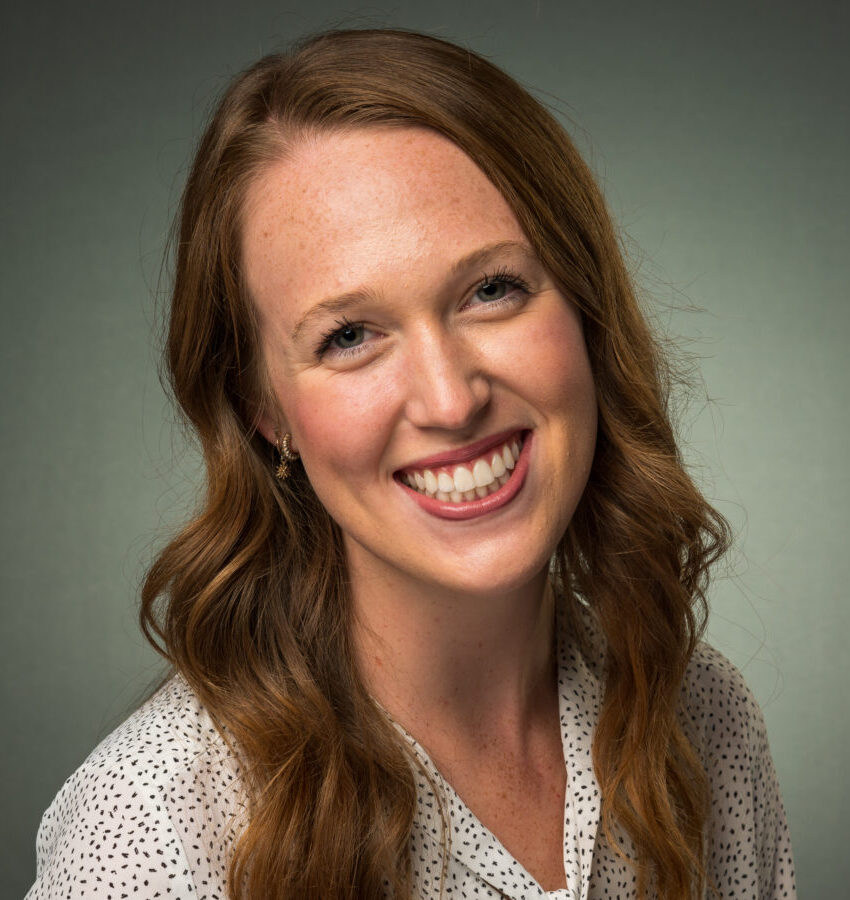
Anna Parish, originally from Auburn, Alabama, earned a B.S. in Applied Health Sciences from Troy University and is currently in her second year of the M.Div. program at Campbell University Divinity School. She serves as an intern at Hayes Barton Baptist Church in Raleigh, North Carolina, where she enjoys walking alongside people of all ages as they explore their callings. Anna is passionate about cultivating authentic communities through holistic spiritual development. She is pursuing a vocation in hospital chaplaincy and authorship and is interested in religious social science research and preaching.