
If you hang around progressive faith spaces long enough, you’ll notice something. We’ve gotten really good at tearing down bad theology. And thank God for that.
Deconstruction clears the rubble. It names the harm. It reveals the truth about how the church has sometimes prioritized protecting power over practicing love.
But here’s the thing no one likes to talk about: tearing something down isn’t the same as building something better. Somewhere between “the church hurt me” and “I’m done with it all,” a lot of folks get stuck.
We swing the wrecking ball with righteous fury, then stand there in the dust, hands on our hips, wondering what comes next. It’s not hard to understand why.
Deconstruction costs something. You lose certainty.
Sometimes you lose community. Occasionally, you lose your sense of belonging altogether.
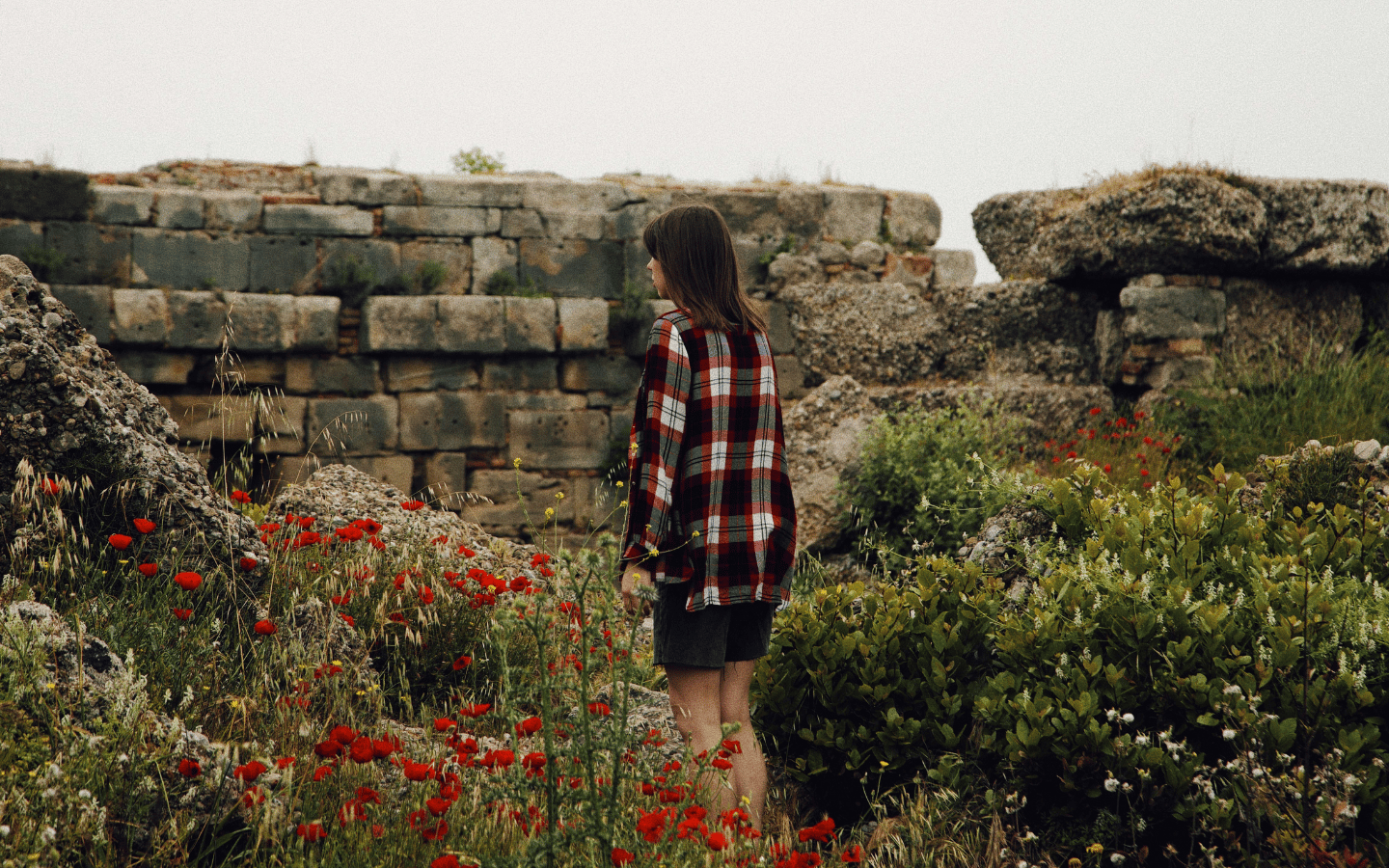
It’s like someone turned the lights on in the sanctuary, and you suddenly see all the cracks in the walls. But staying in that rubble pile isn’t freedom. It’s limbo.
If we never start rebuilding, the same structures we thought we tore down keep shaping our imaginations. We just give them new paint.
Even the “anti-church” crowd can start mimicking the same judgment, defensiveness and hierarchy we ran from. The ghosts of bad religion are sneaky like that; they’ll haunt your new house if you don’t change the floor plan.
And honestly, the world can’t afford for us to camp out in deconstruction. While we’re busy debating which bricks to keep, Christian nationalists are out there building cathedrals to the empire.
So yes, pull apart the toxic theology. Smash the idols.
But then, for the love of all that’s sacred, pick up a hammer. There’s work to do.
Part of what makes rebuilding so hard is that our spiritual reflexes were trained in certainty. We want a blueprint, a perfect theology, a tidy list of beliefs so we can feel like we’ve arrived.
But reconstruction isn’t about replacing old certainty with new certainty. It’s more like learning to build while walking.
It’s a sort of holy improvisation. It’s embracing process over perfection, curiosity over control, humility over hubris. It’s less about right answers and more about better questions, less about being right and more about being rooted in love.
The good news is that the tools we need are already in our hands.
Curiosity keeps the heart pliable. When someone’s faith looks different, resist the urge to debate and instead ask, “What might I learn here?” That’s where humility takes root.
Along with curiosity, we need community. It keeps us grounded. The myth of the “lone believer” is a side effect of the old trope of American rugged individualism.
Reconstruction means finding or forming spaces where mutual care replaces mutual judgment. It might look like a living-room gathering, a backyard supper, or a circle of friends working together for justice.
Wherever love gathers, church happens.
Along with those, we need compassion. It keeps us human.
Deconstruction can leave us angry, cynical, or bone-tired. That’s normal.
But compassion keeps reconstruction from hardening into bitterness. Love can’t bloom in the soil of resentment.
Finally, courage ties it all together. Rebuilding a just, inclusive faith will get you side-eyed from both sides (trust me).
Some will say you’ve gone too far. Others will say you haven’t gone far enough.
Build anyway. There’s your tools: curiosity, community, compassion and courage.
And let me make this point, reconstruction isn’t nostalgia. We’re not rebuilding the same old church with better coffee and a rainbow flag out front.
We’re building something freer, braver and more alive. We are rebuilding a faith that’s anti-authoritarian, anti-oppressive and deeply committed to the common good. That’s what “beyond deconstruction” really means.
It’s not back to church as usual. It’s forward.
Forward to a love that knows how to hold difference, a justice that feels like community, a hope that builds something better than what we left behind.
If you’re wondering where to start, here’s the secret: you already have. The questions you’re asking, the compassion you’re reclaiming, the community you’re seeking—those are your building materials.
So keep stacking grace on top of grace until something beautiful starts to take shape, because the world doesn’t need more people who’ve lost their faith. It needs people who’ve rebuilt it into something that can hold the weight of our shared humanity.
Maybe faith was never meant to be a finished house. Perhaps it’s a living construction site, a place where Love keeps showing up with new blueprints, new neighbors and new possibilities.
So if you’re standing there in the dust of what used to be, wondering what’s next, here’s your invitation: pick up your tools. The rebuilding has already begun. And you belong in the work.
- About the Author
- Latest Posts
Rev. Dr. Mark Sandlin is a Presbyterian Church (USA) minister who currently serves at the Presbyterian Church of the Covenant in Greensboro, North Carolina. He is the President and Co-Executive Director of ProgressiveChristianity.org.