


Molly Shoulta Tucker
The day after my brother, Jeremy, was put in hospice care, I started to write a list of things that are stupid.
My life and career are built on preaching poetic and theologically astute descriptions of God, leading a staff to enact justice and goodness in all we do, and most importantly, walking with the suffering and marginalized in the daily conundrums and the acute crises. But on the early afternoon of Saturday, April 11, as my brother approached the end of this life—6 days after we celebrated resurrection—I started a list of stupid things.
Twenty-four hours later, I was standing in the middle of a Buc-ees on my way home, sardined in a check-out line, surrounded by spring breakers returning home. I was in the middle of something superfluous and loud and extravagant just hours after my family’s entire world shifted.
It just felt…stupid.
I added it to the list of stupid things that felt empty and purposeless, aimless and extravagant, when you have witnessed your brother take his last breath. I continued it over the next few days, adding to it each morning.
It’s stupid I have to take out the trash the day after my brother died.
It’s stupid I have to make sure five food groups are in my son’s preschool lunchbox.
It’s stupid I have to go to the post office and stand in line.
It’s stupid that “Hallelujahs” celebrating resurrected life and deep sobs punctuating a final breath are exactly a week apart.
It’s just all so stupid.
I’ve never felt Holy Saturday in my soul before. Maybe this is how the women felt between Jesus’ death and resurrection.
Aimless. Mindlessly tending to things that felt needlessly trivial. Angry. Spinning. Foggy.
My family is setting up camp in Holy Saturday.
I am not the first or the last to experience a sibling die an untimely death, either a surprising one or one drawn out over months or years of suffering. Yet it’s not normal to read your brother’s obituary with the birth and death dates so close together. Too close.
It’s stupid.
There are flowery words that philosophize hope, but they do nothing to help you pick out an outfit to wear to your forever 42-year-old brother’s celebration of life. That’s also stupid.
Jeremy and I shared the same career field. But we didn’t talk about it much.
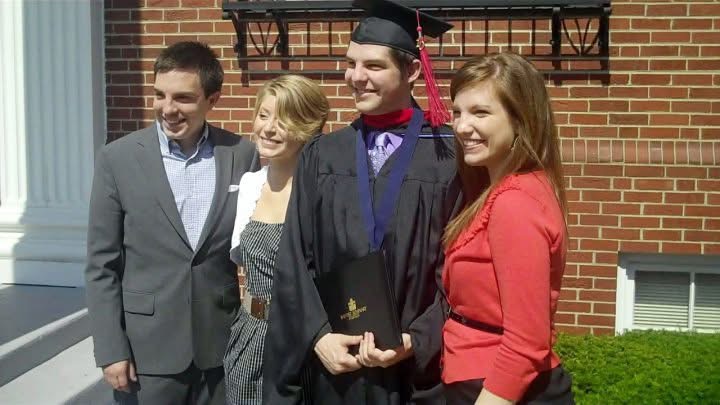
(Image courtesy of Molly Shoulta Tucker)
He was my brother first, far before we chose majors and degree programs. We had different tracks, different seminaries, different friends, but the same love for the church and a clear calling to pastoral ministry.
I watched Jeremy surrender his life to ministry one night at Cedarmore Camp when I was in middle school. I didn’t understand all that was happening, but I remember the joy in my parents’ embrace of him as he came to them that night. Because of that moment, I perhaps understood my own surrender some years later at the end of a summer at Passport Camp. By walking almost a decade ahead of me, Jeremy bravely illuminated a path I’m not sure I’d otherwise know how to follow.
In the last year, I’ve found myself asking more and more if what I’m doing, and what Jeremy devoted his life to, matters in the grand scheme of things. Does being a pastor actually impact people for the better? Should I be more present here or there? Do I believe in what I’m doing?
People are hungry, basic healthcare is lacking, the world is burning up, and wars are killing people. Does the church and pastoring a church matter? Some days it feels like filling the Grand Canyon with pea gravel, one piece at a time.
But then Jeremy died. All the years of learning and training and working and pastoring don’t matter when cancer wins. My family was suddenly on the personal side of a tragic loss.
They train us on what to say to the grieving, but no one trains us on how to grieve. I cannot pastor my family; I cannot pastor myself. But the Church and the church can.
And did.
And does.
And is.
Texts flowed in along with emails and Facebook messages. Those things uphold you more than you think, even when you don’t have the energy to respond.
When tears hit at random and sometimes at the worst times, dinner was taken care of.
A guest house. A children’s book. A dog sitter. A mail getter. A sermon on how to hold grief for others. An altar flower arrangement. A babysitter. A new coloring book. A pack of Diet Coke. A high school friend offering to drive two hours to spend the day with my son because there isn’t enough energy to grieve a brother and parent a four-year-old in my body right now.
I hope that most days I’m at least a mediocre pastor. I’m downright awful at being pastored.
But wow, is the church good at pastoring. There are spaces and places and need for people to advocate, shape policy, and prophesy in the public square. But nothing can replace the grace that is incarnational, pastoral care: kindness that does not dwell within reciprocity or reason.
These acts of service and prayers of encouragement didn’t just crop up overnight. They are the result of deeply embedded relationships over years of work, investment in one another, trust, and walking beside one another.
We’ve sat in book studies together, laughed at the park in hot summer air together, potlucked together, Christmas Open Housed together, cleaned together, marched together, served meals together, painted together, sang together, prayed together, had coffee together, and cried together.
So yes, pastors still matter and very much.
And yes, the Church still makes a difference and very much.
In this last week, I have been reminded and astounded that this holy and hard work—Jeremy’s life’s work—matters. We buoy one another in the Spirit, and we porch drop a casserole when the world changes suddenly and permanently.
We are God’s grace to one another when the resurrection feels like a distant memory. We fill in gaps when things feel stupid and empty.
We tent with one another in the nightmare of Holy Saturday. Thank you for tenting with us.
I continue to add to my list of stupid things. Grief reprioritizes us.
And in the Holy Saturday stakeout, the Church still matters. It sits with us. It encourages us.
It is carrying my family forward towards resurrection day.
For the many ways the Church—you—have found my family in the darkness of this grief and hold us in the Light amidst our Holy Saturday disorientation, thank you.
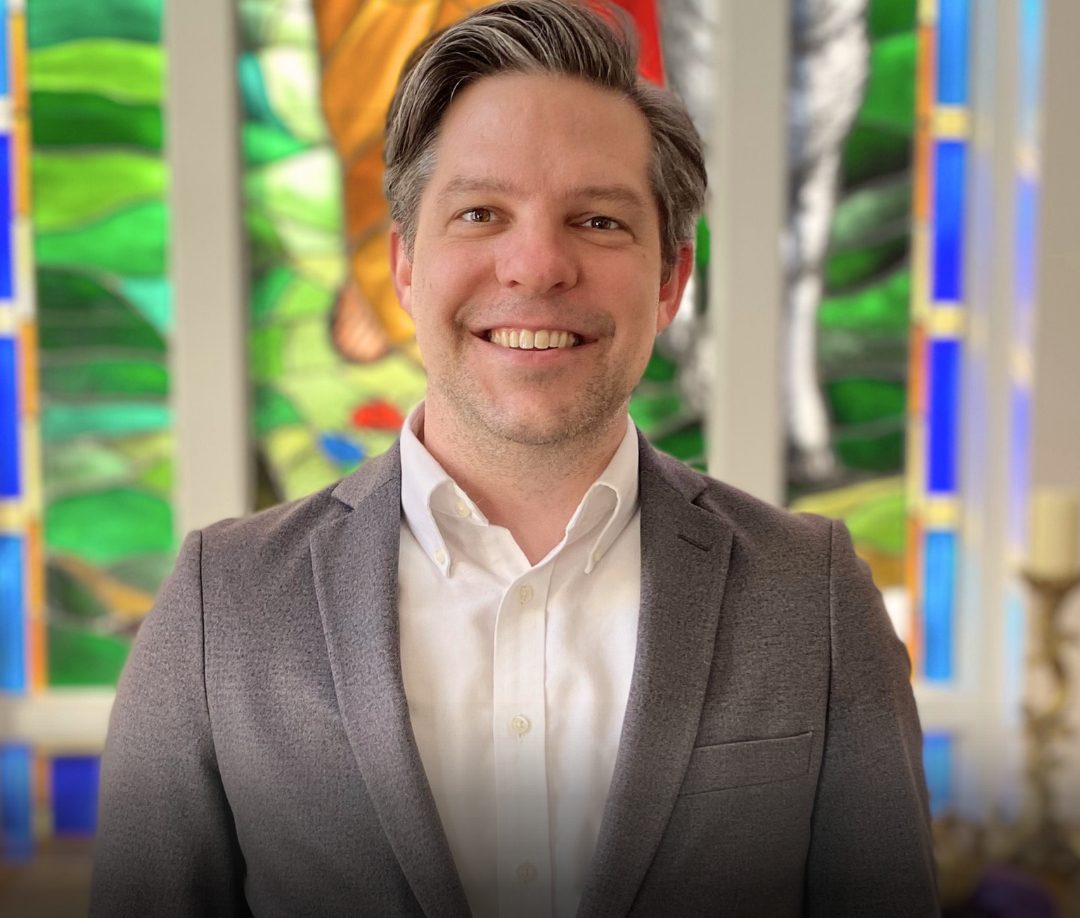
Jeremy Shoulta: 1983-2026
- About the Author
- Latest Posts

Pastor, Ridgewood Baptist Church in Louisville, Kentucky.