

January 6, 2025, is the fifth anniversary of the attempted coup to overturn the formal congressional confirmation of November 2024’s presidential election results. It remains an open wound in our body politic. Its felonious instigator has thus far escaped conviction, returned to power, and has pardoned all the coup’s agents.
In the Christian liturgical calendar, January 6 is commonly observed as Epiphany, the arrival of the Eastern Magi to Bethlehem’s animal feed trough, which served as a crib for baby Jesus. In other traditions, the date is marked as the occasion of Jesus’ baptism.
In some Eastern Orthodox traditions, January 7 (according to the older Julian calendar) is celebrated as the day of Jesus’ birth. Though in Judaic calculation, a “day” begins at sunset the night before, as in the Genesis account of Creation: “And the evening and the morning were the first day” (Genesis 1:5).
In all these cases, a coup d’état is underway, though only the despots experience it as violent, as in Mary’s hymn of praise. In her song, the powerful are tossed from their thrones, and the rich are sent away empty (Luke 1).
In all Christian traditions, the common element is the inauguration of a confrontation between God’s only begotten and those in seats of power.
Divine table-turning is underway. Epiphany, as the manifestation of God’s Intent, will disrupt the world as we know it. Those for whom this “world” is “home”—who profit from current arrangements, from orthodoxies of every sort—will take offense at this swaddling-wrapped revolt.
The bias of heaven is clear: Epiphany’s insurrection announcement confronts every settlement anchored in repression and domination. The announcement of the kinship of God provokes terror in the imagination of those who believe that death remains the determinant of earthly affairs, that might makes right, that spoils belong to the victors.
Epiphany is provocative. A new victor has been declared, beyond history’s fated presumption, though its sovereignty awaits its anointed, appointed time.
How then are we to live in between appearance and conclusion, between the given and the promised, between earth’s misery and heaven’s revelry? What are the pastoral guidelines flowing from this prophetic disclosure?
We, of the majority caste, are largely innocents. By “innocent,” I mean clueless about the way history has privileged some and impoverished others.
If we are to move toward a future beyond the fatal consequence of our transgressions, then we must lose our innocence. We have challenging, patient, risky, but worthy, inspiring, and hopeful work ahead of us.
Take a hand. Make your vow. Gird your loins.
Declare an allegiance beyond the tip of your nose. Step over your contented threshold and out of your comfort zone. Prepare for turbulence and threat.
Make alliances across racialized, class, cultural, and national boundaries. Cultivate the kind of imagination needed to resist cultural conformity and nationalist fervor.
Nurture a faith rooted deeply enough to withstand inevitable seasons of drought and tempest. Brace yourself for Epiphany’s provocation, confounding the coronation of mammon protected by praetorian guards and backed by courts of infamy.
Refuse seating at the tables Jesus flipped.
Be a conscientious objector to the rule of the market. Set your eyes on a horizon beyond every prognosticating fate.
Never forget that history belongs to the intercessors. Between the hammer of hope and the anvil of conviction, the Spirit’s fire forges impossibility into re-possibility.
These are our disciplines and sometimes they are arduous. But they are not imposed by a divine taskmaster.
They are the overflow of joy, the product of ecstatic vision capable of tracing creation’s promise to resurrection’s assurance, recollecting the prophet’s assertion that wolf and lamb will lie shorn of threat, and the revelator’s conclusion one day, death will be no more.
- About the Author
- Latest Posts
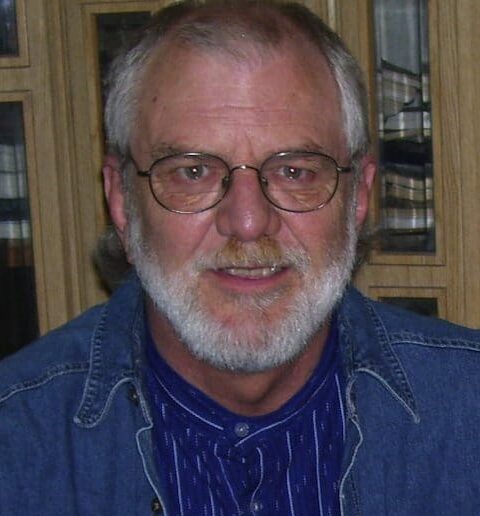
Curator of prayerandpolitiks.org, an online journal at the intersection of spiritual formation and prophetic action, and author of, most recently, In the Land of the Willing: Litanies, Prayers, Poems, and Benedictions. He was the founding director of the Baptist Peace Fellowship of North America and founding co-pastor of Circle of Mercy Congregation in Asheville, North Carolina.