

The Inseparable Bond of Justice and Righteousness
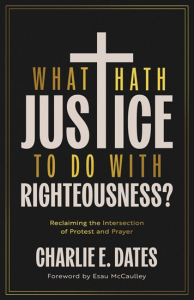
The greatest contradiction throughout the history of American Christianity is that many of those who profess right doctrine about God are the ones who are most opposed to social justice in his name. It happens far too often. The evangelical headlines read as though some of the leaders of White conservative Protestant Christianity either do not understand the intersection of racism, theological interpretation of Scripture, and history, or they couldn’t care less.
An emerging generation of young Black Christians is given more reason to reject biblical theology—not because they have seen it disproved but because they have seen it contradicted by the people who profess it. American history is the single greatest witness that too many White evangelicals fail to practice the doctrine of love while they preach a love for doctrine. These leaders oversee evangelical schools training young men—and sometimes women—to preach with a high view of Scripture and a corresponding high view of Jesus, while they themselves have a low view of people. To echo the words of the prophet Isaiah, they preach righteousness, but they fail to seek justice (Isaiah 1:17).
We are asked to ignore the blatant white supremacy of those we are assigned to read as bastions of correct theology as if a faulty anthropology is not a heresy in itself. Their radio stations pump partisan politics in the name of a supposed Christian worldview. And their protégés are in for a rude awakening. With the murders of George Floyd, Breonna Taylor, Trayvon Martin, Laquan McDonald—and the uncounted multitude of others—White evangelical theology in America has impoverished thought toward resisting state-sanctioned injustice against Black and Brown people.
At best, its theological tenets have been reactionary. At worst they give cover to and spiritual justification for racialized policies that legitimize injustice. Theirs is a theology where righteousness and justice are divorced.
A person who claims to follow Christ needs to understand the interrelatedness and inseparability between justice and righteousness. These are the twin pillars that should frame our worldview as followers of Christ. They shape the very principles of the kingdom of God.
At each turning point in American history, Black Christians have borne prophetic witness to the hypocrisy and inconsistency of too many of their White Christian counterparts. Some have stood alongside us marching, advocating, and giving their lives. Others have kept righteousness and justice far from each other. They understood the etymological relationship between the two but never befriended the social mandate for its application.
American evangelicalism has too often failed us. It has not bequeathed a well-rounded Christian worldview. It has repeatedly created a hesitant and fearful church unable to meet the moral demands of the moment, retreating into empty platitudes when the people need prophetic witness. It has been unsuccessful in transforming America not because it lacks a faith in Jesus but because it has made God in its image, according to its likeness. This has handicapped entire generations on the race problem. It is discipling megachurches in the same colonial misreads of Scripture. It has placed supposed political ends over character during this administration, even though they told us character, sexual morality, and policy matter.
I write to give voice to the Black experience in America. I represent a large group of Black Christians who still have a high view of Jesus Christ, who believe that the Bible is the inspired Word of God, and who—as a result—do not believe that any party has the right to unquestioned allegiance. Giving voice to Black theological reflection will give tested insight to a more exhaustive Christian worldview that will speak to our time.
We need a more comprehensive worldview, one connected to the king of the Old Testament who is the Savior of the New Testament. It is my submission—made from the biblical text—that righteousness and justice are both interrelated and inseparable. They are not human-made constructs to be defined by every succeeding generation. Instead, they are ideas birthed in the mind and personhood of God.
Taken from What Hath Justice to Do with Righteousness by Charlie E. Dates. ©2026 by Charlie E. Dates. Used by permission of InterVarsity Press. www.ivpress.com.
- About the Author
- Latest Posts
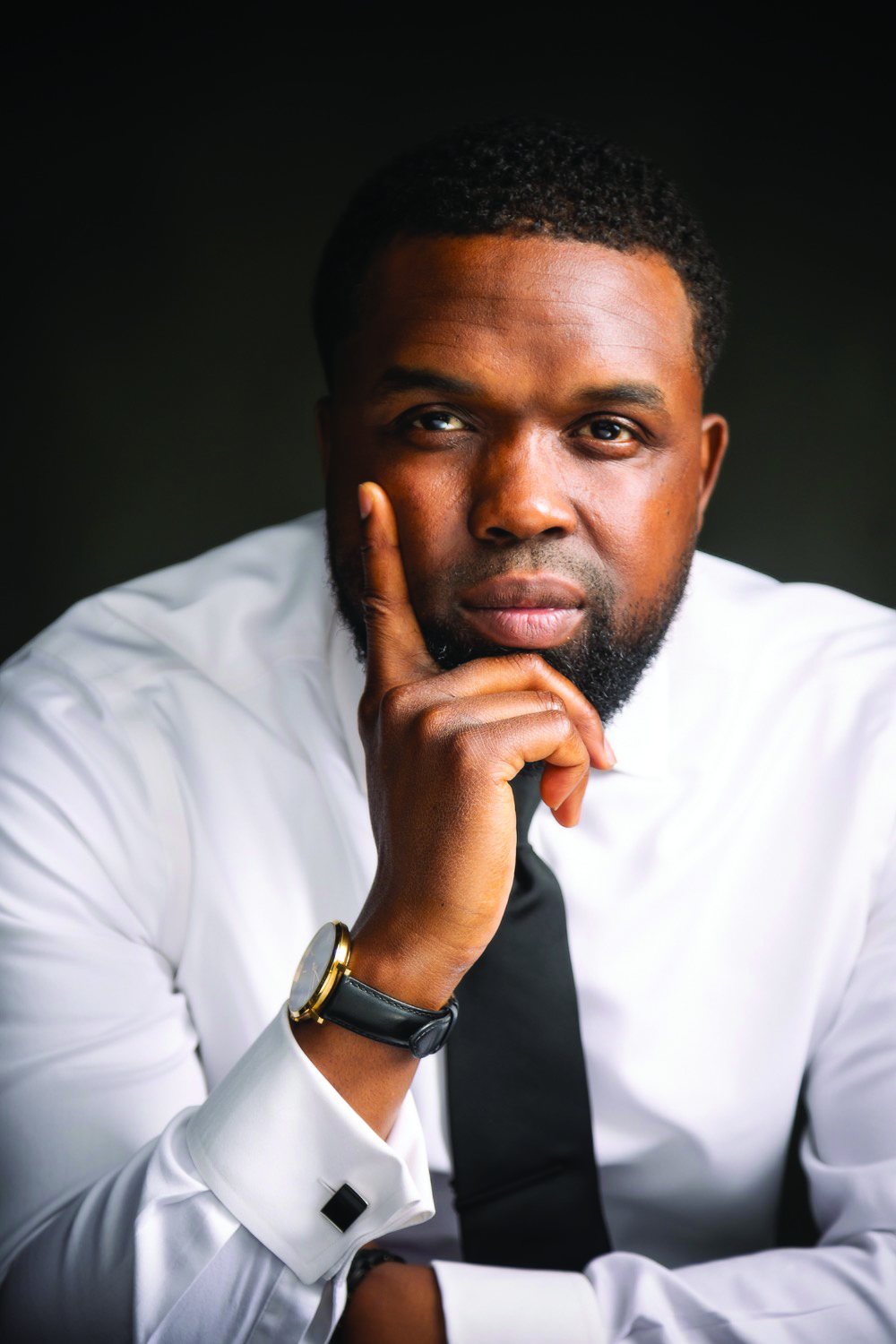
Charlie E. Dates (PhD, Trinity Evangelical Divinity School) is the senior pastor of Salem and Progressive Baptist Churches of Chicago. A sought-after speaker, he is widely invited to preach at churches, conferences, and universities throughout the United States and abroad. He is an affiliate professor at Baylor University’s George W. Truett Theological Seminary, Anderson University, and Wheaton College. He is the author of What Hath Justice to Do with Righteousness? and is a contributing author to the Handbook of Contemporary Preaching and Letters to a Birmingham Jail.