
Liz Vice’s song Refugee King begins with, “Away from the manger they ran for their lives…” Vice takes the tender hymn Away in a Manger, full of peaceful imagery of “cattle lowing” and a baby not crying, and turns it upside down, highlighting the messiness and danger of the incarnation. She turns to Matthew’s account, which is anything but peaceful.
Matthew describes an angel coming to Joseph in a dream, telling him to flee with his new family to Egypt, as Herod is on a murderous rampage. Joseph, Mary, and Jesus leave in the middle of the night, returning to the place where, centuries earlier, their ancestors had been enslaved. When Herod hears of their escape, he massacres the infants in Bethlehem, seeing them as a threat.
This is not a tidy story with a happy ending. Matthew knows the incarnation is dangerous—a threat to those who love power and control.
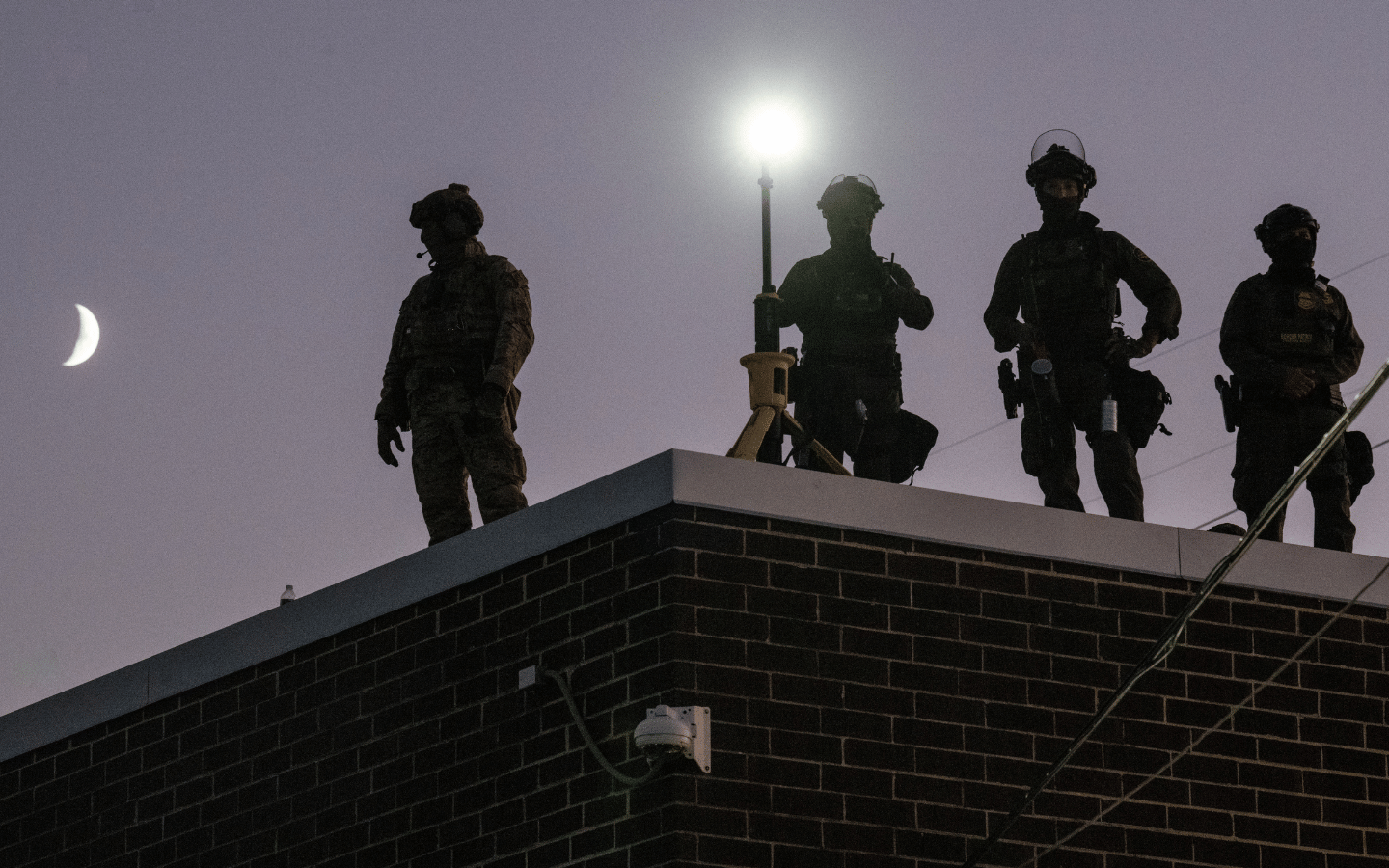
With recent ICE raids and cruel detentions, Vice’s “Refugee King” takes on an additional somber note this year in the United States. Those seeking asylum here realize, like the holy family, they have no safe place, as Vice sings: “no country or tribe.”
Taking a step back, we realize God’s story is the story of a refugee, of fleeing, of an empire seeing the vulnerable as a threat. For me, Hagar and Ishmael’s story in Genesis stands out this year as a parallel to both Matthew’s Gospel and what we are witnessing in the United States.
In Genesis 21, Sarah banishes Hagar, an enslaved woman and Hagar and Abraham’s son, Ishmael. Sarah does not want Ishmael to receive any of her son Isaac’s inheritance.
Hagar and Ishmael flee into the desert. Out of food and water, Hagar sets her son under a shrub to die and cries out in grief. God shows up, points them to a well, and promises to be with Hagar and Ishmael, making Ishmael a leader in his own right.
At best, this story carries ambivalent messages. Sarah abuses her power, coercing Hagar to have a child with Abraham without Hagar’s consent. Abraham refuses to intervene on Hagar’s behalf.
Delores Williams, author of Sisters in the Wilderness, sees Hagar’s story as “making a way out of no way,” reflecting Black women’s experiences in the United States.
In a sense, Mary, Joseph, and Jesus also “make a way out of no way,” fleeing into the desert like Hagar and Ishmael. Liz Vice sings that they “ran and they ran and they ran.”
Correlating these stories with our experience, I see Hagar and Ishmael in immigrants who are cruelly detained—immigrants like Nayra Guzmán, who has Type 1 diabetes and had just given birth to a baby who was still in the NICU when she was detained.
Abraham parallels those of us who remain silent when faced with the realities of the empire’s actions. Because we are afraid or we don’t think it’s our place to become involved or the issue is “too political.”
We can see Sarah as representing the policies of our current administration, which views the sharing of resources or the presence of difference as a threat and seeks to eliminate them.
For those of us privileged enough not to have our identity and personhood threatened, how are we to respond? The Bible doesn’t give exact instructions. Abraham’s response remains inadequate. But we see glimpses of witness, of God’s grace, in this moment.
In Dallas, a group of Chicana women founded Vecinos Unidos to respond to ICE crackdowns, informing immigrants of ICE activity and their rights. They are buoyed by faith leaders from multiple denominations who stand vigil at ICE offices, accompany immigrants to court cases, and bear witness to a faith founded on a refugee.
We see pockets of resistance and community response across our nation— from San Diego to New Orleans to Charlotte.
This Advent, we know too well the messiness and danger of the incarnation. May we pray along with Liz Vice that God “keeps us from Herods and all of their lies.”
This year, the meaning of God-with-us, Immanuel, is that God is a refugee. May we follow the Spirit’s lead as we respond.
- About the Author
- Latest Posts

Kate Hanch is an ordained Baptist minister and is the Director of the Baptist House of Studies at Perkins School of Theology. Her first book, Storied Witness, was published by Fortress Press.