
As the United States approaches its 250th anniversary, many Americans are preparing with jingoistic patriotism, fireworks, BBQs, and celebrations of “liberty.” For many, this day is a sacred civic sacrament. Even the president has launched his 16-day-long “Great American State Fair” to celebrate the nation’s semiquincentennial.
Some have viewed this event as an attempt to rekindle the flame of American pride by recalling old traditions. Others may view it as a poor attempt to utilize bread and circus to hide the signs of rot within a decaying empire.
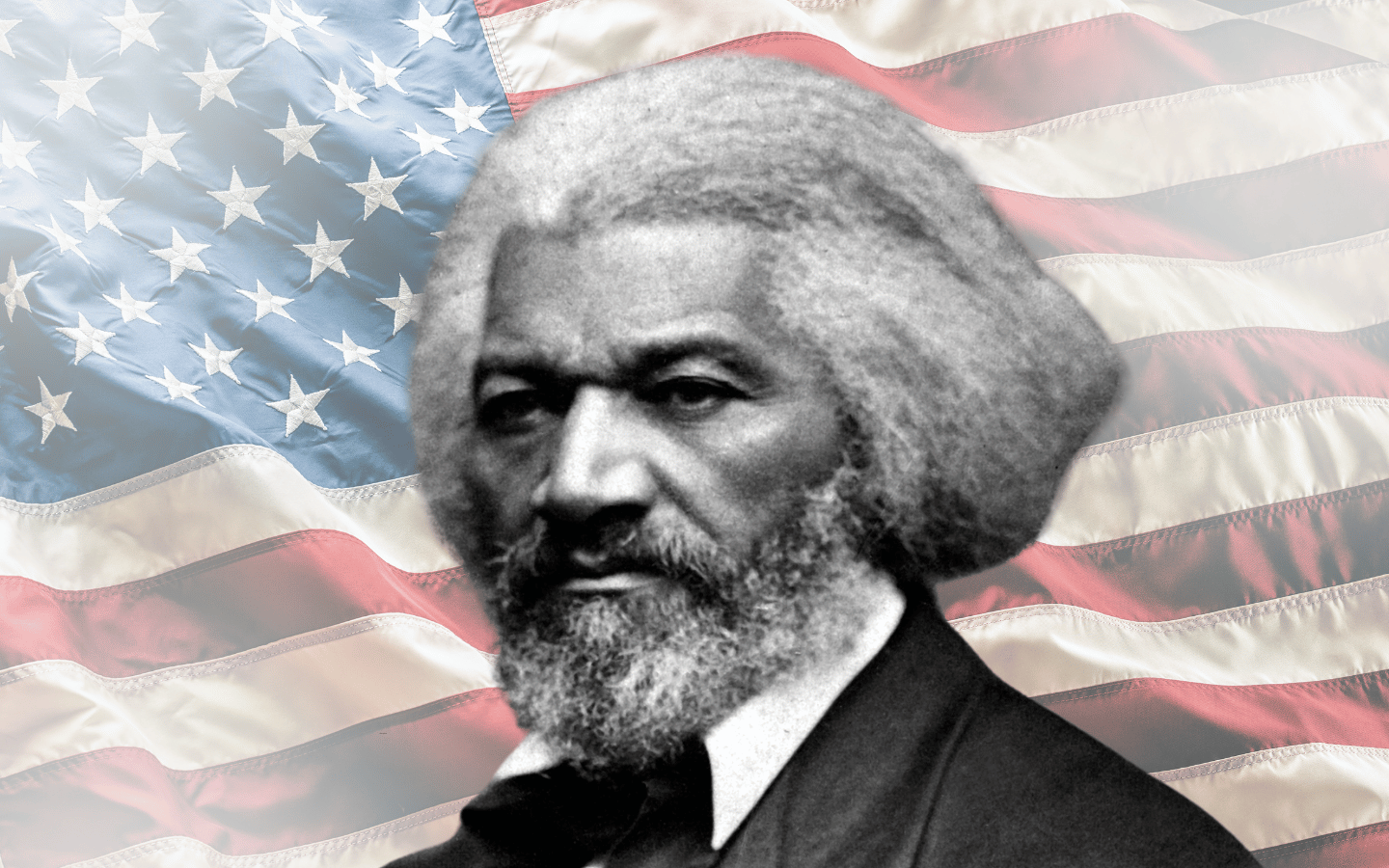
Yet, for the masses of Black and Indigenous peoples in this country, the Fourth of July often rings with a profound, unresolved dissonance. It is a national day that commemorates a “freedom” that was, for them, a deferred promise. During this season, I’m often drawn to the works of the great abolitionist and orator Frederick Douglass, who captured this hypocrisy with searing clarity.
In his famous 1852 speech, Douglass posed a question that continues to haunt the nation’s conscience: “What, to the American slave, is your 4th of July?” He answered with a sharp indictment, declaring it a day that reveals to him the “immeasurable distance” between the proclaimed ideals of the Declaration and the brutal realities of chattel slavery.
“Your high independence,” Douglass exclaimed, “only reveals the immeasurable distance between us. The blessings in which you, this day, rejoice, are not enjoyed in common.”
Douglass’ analysis extends beyond the enslavement of the 19th century. It is a prophetic lens through which to view the historical and ongoing treatment of Black and Indigenous communities in America, and its colonies abroad.
The “land of the free” was built upon the stolen lands of Indigenous nations and the stolen labor of African people. This was not a mere footnote to the Revolution but the very economic engine that powered it.
The church in the U.S., the supposed moral conscience of the nation, has often been complicit in hypocrisy and sin. At the same time, the prophets of the Old Testament thundered against injustice and Jesus Christ himself preached and exemplified radical inclusion. American Christianity has historically and too frequently become a tool for white supremacy.
The Bible, a text that declares God “is not partial” and that in Christ “there is neither Jew nor Greek, slave nor free,” was twisted to justify dehumanization and the formation of the racial hierarchy. Passages were selectively weaponized to enforce subjugation, while the overwhelming prophetic calls for justice were intentionally ignored.
During his time, Douglass often witnessed the church as complicit with oppression as he accused it of covering its “infernal business with the garb of Christianity.” This theological betrayal allowed the nation to compartmentalize and justify its oppressive systems of control and murder.
It created a false veneer of piety that masked capitalistic economic greed and racial hatred. It saw a twisted, debased imitation of Christianity become the face of genocide and antiblackness.
As the nation celebrates its “independence,” it is vital for us to remember that for Black and indigenous people, true liberation has only been achieved through immense struggle. The walls of legal segregation may have tipped, but the systemic inequalities in housing, education, health care and the justice system bear the fingerprints of that same historical injustice.
In confronting this dark legacy, the question is not whether to celebrate, but how. I believe scripture offers a pathway of reckoning.
There is a profound call in the Book of Micah to “act justly and to love mercy and to walk humbly with your God.” This passage requires more than performative patriotism; it demands a humility that acknowledges past sins and a commitment to restorative justice.
A faith that follows the radical teachings of Jesus cannot be content with performative monuments to freedom as the descendants of the oppressed are still dehumanized and denied true freedom. A true practice of restorative justice requires real allyship while listening to the voices of the marginalized, who have always reminded us that liberty is not a static achievement but an ongoing endeavor.
My prayer is that we’ll see more Christians reject the “corrupt, slaveholding, women-whipping, cradle-plundering, partial and hypocritical Christianity of this land” whose thinly sanitized legacy is still preached across the nation, and embrace the “pure, peaceable, and impartial Christianity of Christ.”
Maybe then this self-proclaimed “Christian nation” will work towards ensuring “freedom and liberty” for all.
- About the Author
- Latest Posts

Jordan Merrill is a native of Camden, New Jersey, and a dedicated nonprofit leader with more than a decade of experience serving youth, individuals returning from incarceration, and historically marginalized communities. He’s a husband and father of 2. As a Co-Founder and Board President of Faith & Recovery Network, Jordan is committed to strengthening communities by advancing recovery support, reducing stigma, and equipping faith and community leaders to respond with compassion and purpose. His work is rooted in service, equity, and creating pathways to hope and opportunity for those most often overlooked.