
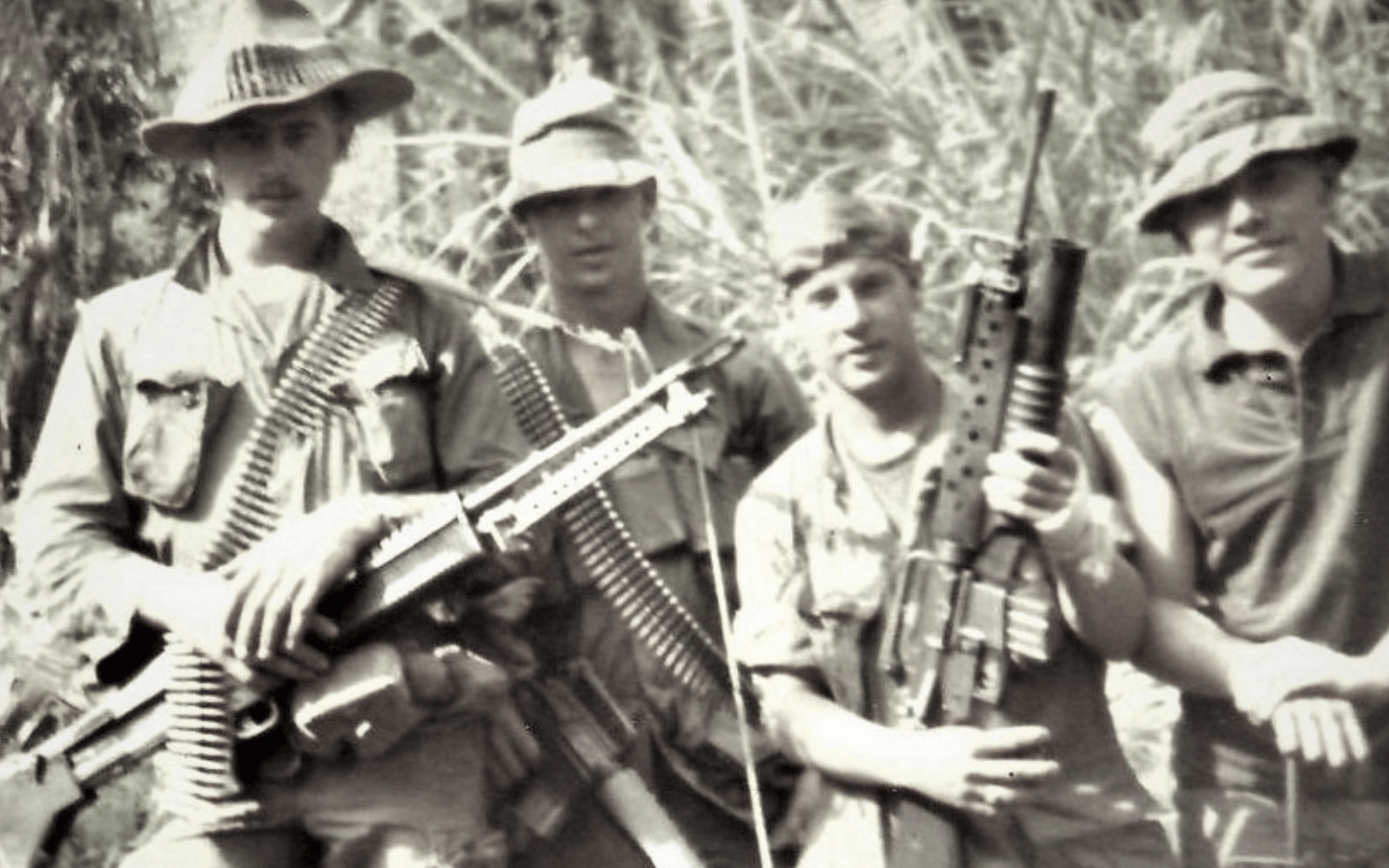
Thousands have died on our watch, while many thousands more suffer wounds and the loss of loved ones.
In this Iranian war that most Americans do not want, fatalities and casualties—primarily civilian—thus far include more than 100 schoolchildren. While the global economy reels, casual talk of an expanded regional war, perhaps even World War III, slides easily off tongues sipping cappuccinos at sidewalk cafes.
But are wars today nonchalant? Can they even be won?
The most powerful empire in human history fought a predominantly agrarian “Third World” country in Southeast Asia for 20 years (1955-75) and lost. Today, Vietnam is communist.
For 10 years, Russia fought the Afghan mujahedin (1979-89) and lost—or, as they insist, “withdrew.”
America next fought in Afghanistan for 20 years (2001-21), ending in complete American military withdrawal and the Taliban regaining power.
Today, Russia’s four-day war against undermanned Ukraine rages in its fourth year, with no end in sight.
America’s “overnight war” with Iran is proving to be a prolonged, billion-dollar-a-day quagmire, even when only the cost of missiles and war machines is counted. Tabulate oil prices, global economic catastrophe, human life, and damage to hopes for world peace, and the ramifications defy calculation.
Now comes the American threat of “boots on the ground” in Iran. Marine and Army airborne troops are on the way.
Please, no.
I have fought in those boots. Fifty-eight thousand American sons and daughters died in those boots in “my” Vietnam War alone. Hundreds of thousands of others have bled in those boots in Vietnam, Iraq, Afghanistan and elsewhere.
And yet boots on the ground have failed to win recent wars. Is there a better way?
Am I a dove? No.
Am I a hawk? No.
Am I a realist? Yes.
When it comes to thinking deeply about war, most of us, I would imagine, fall in the third camp below:
War?
Never.
Always.
Sometimes.
World War II’s commitment to oppose Hitler would rate a “Sometimes” for most of us, I suspect. But this Iranian war? Most of our allies, most of the world’s nations and most American citizens do not support it.
Should we not first commit to dialogue, debate and deliberation? Back-and-forth negotiation, head-to-head give-and-take, and a commitment to community—however trying it might be—save lives, resources and maybe even the planet.
May we pray? And call, text or email our elected representatives?
Shall we choose life over death?
Peace to all.
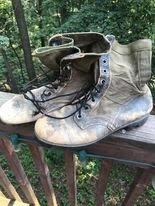
(Credit: Randall O’Brien)
- About the Author
- Latest Posts

Formerly Professor, Provost and Executive Vice President of Baylor University, and President of Carson-Newman University, O’Brien served in the Vietnam War as an Squad Leader with the 2/506th Airborne Infantry Regiment, 101st Airborne Division, 1971.