

The lectionary strikes again. I could not have chosen better texts to preach through as we approach what’s to come in our country over the next few months.
This fall, the lectionary tells the story of the people in Exodus. Beginning with Moses’ birth and calling, all the way to wandering in the wilderness, we are gifted with the story for the ages of God’s promise of liberation, freedom and love.
As I prepared this season’s sermon series, which I’m calling “Let Freedom Ring,” I added Dr. Rebecca Hall’s graphic novel Wake: The Hidden History of Women-Led Slave Revolts to my pile of texts.
Specifically, Hall’s story reminds us that women had a place in the story of revolts and rebellions led by enslaved people in the United States. As she researched in New York City, she had to dig deep to find where women fit into the story. Often, she found their stories “only if I read between the lines.”
So often is the way with our history, our sacred texts, and even the stories the dominant culture tells. The women pointed toward liberation for the people who were killed, kidnapped, and traumatized beyond words.
In fact, through years of research, Hall found out ship revolts happened more often when there were more women on board. Her theory is that women led these revolts, demanding freedom.
Throughout our sacred stories, whether in the Bible or the ones of those who went before us, women have led the way: The midwives, Miriam, Mary and her song, the revolts led by enslaved women, the mothers in Palestine and Israel demanding justice, the women in Cuba’s Christian Women’s Network who are feeding people right now without electricity.
The 1526 Project: Resistance at 500 marks 500 years of resistance to European Christian settler-colonialism and slavery in North America. The initiative is a twenty-week spiritual formation curriculum and a public counter-witness to the semiquincentennial. It uses the empire’s birthday as a foil to celebrate something far more monumental: people rising against oppression and evil, century after century, in the name of a God who has always been on the side of the people who run.
As I write these words in a suburb of Washington, D.C., I can almost hear the sounds and smell the fumes from the Freedom 250 Grand Prix in our nation’s capital. The celebration of the 250th anniversary of the founding of the United States meets white Christian nationalism in nearly every gathering to celebrate this semiquincentennial, whether with race cars or speeches.
As we discuss Exodus at my church, we’ll also read from The 1526 Project and hear the stories of those who have led freedom movements, all the while wrestling with our own participation in the systems and ideologies that harm and seek to control. I look forward to reading between the lines to uncover and share these stories, especially those of women.
As Dr. Kelly Brown Douglas writes:
“The exodus narrative reveals that telling God’s story means telling the story of the oppressed as they cry out and struggle for freedom. This is a God who hears the cries of the oppressed and calls us to partner with God in a movement for liberating justice. Such a partnership requires that churches and other institutions of faith become sanctuaries—not only for oppressed, marginalized, and minoritized people, but for their stories. Religious institutions must preserve and tell the stories of those who have struggled for dignity, respect, and freedom. The stories banned from our schools, libraries, academies, and various other social institutions are sacred stories. They must find a home within our religious institutions. We must be keepers of truth in a time of suppression. To do otherwise is to disavow the truth of a people’s sacred story and to endanger their very living.
Keeping these stories alive keeps the people alive.”
In The 1526 Project, resources can assist with worship, small group discussions, and local actions to keep these stories alive. I look forward to including this benediction to honor the women who are often forgotten:
Closing Benediction
Leader: Go in the company of Harriet Tubman, who went back.
People: We will go back.
Leader: Go in the company of the seven hundred fifty who ran toward the boats.
People: We will run toward the boats.
Leader: Go in the company of Aqualtune, Breffu, Nanny, Cécile, Sanité, Marie-
Jeanne, Carlota, and all the mothers.
People: We will go in their company.
Leader: Go in the company of Barbara, Beverly, Demita, Cheryl, Margo — and all
who have taken Combahee as their ancestor.
People: We will study with them. We will pay them. We will follow.
Leader: Go in the name of the God who has always been a midwife, a mother, a
sister, a friend.
People: We go in her name. Amen. Amen. Amen.
May it be so.
- About the Author
- Latest Posts
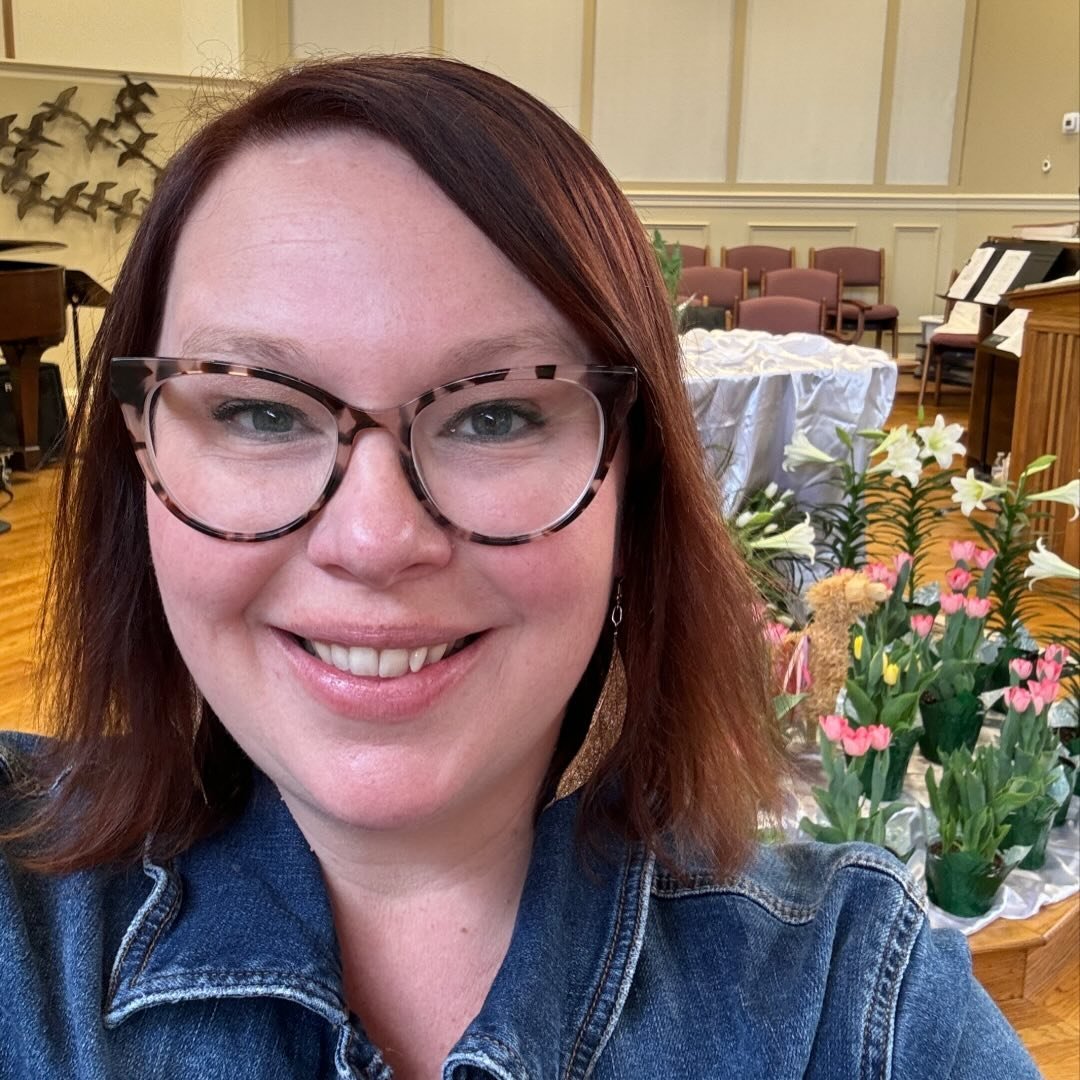
Rev. Dr. Leah Davis is the pastor of Ravensworth Baptist Church in Annandale, Virginia.