
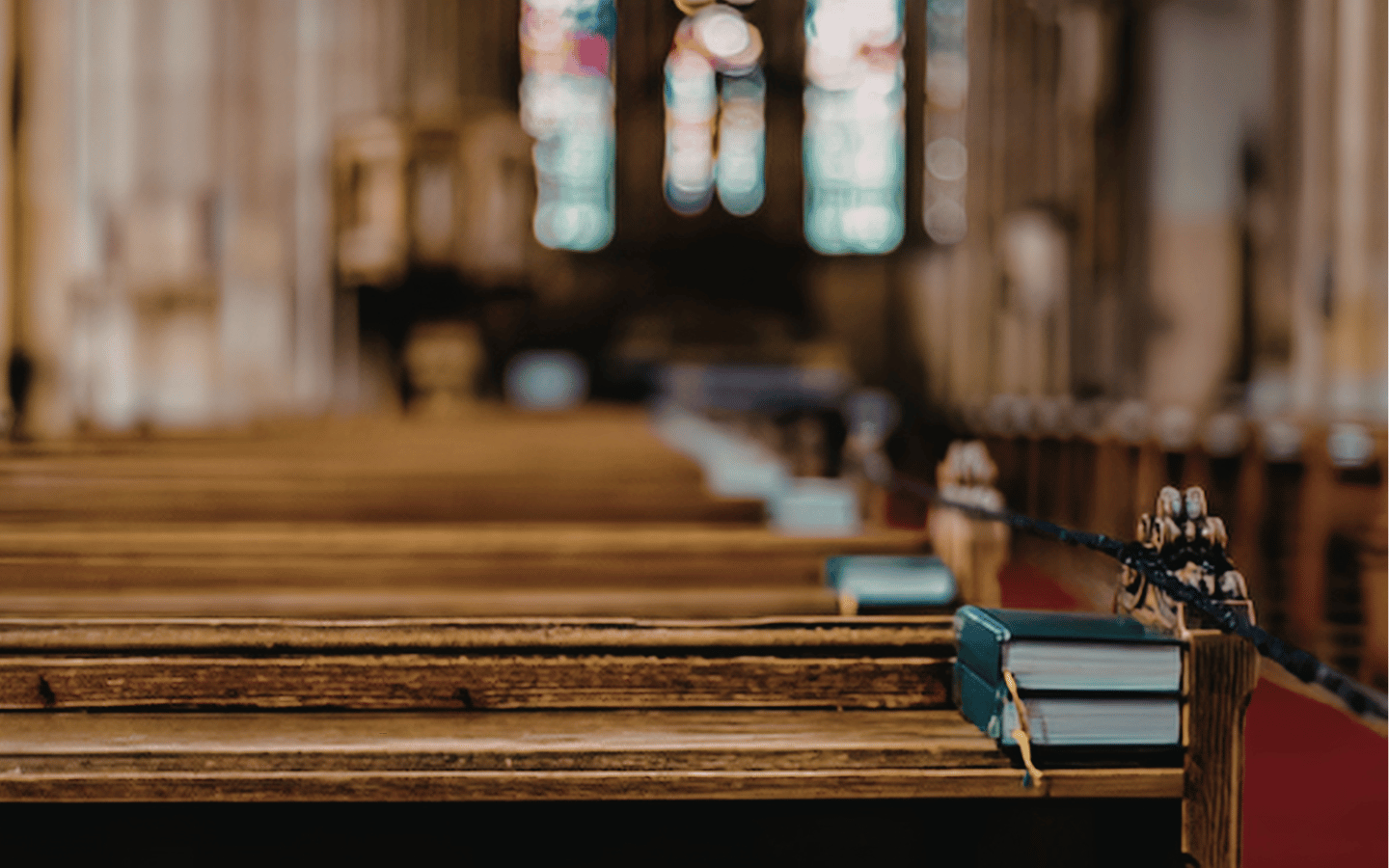
Pastor Cortes Vasquez, a minister in New Jersey, was detained by the U.S. Immigration and Customs Enforcement (ICE) agents in Newark, New Jersey, seven days before Holy Week, the most sacred time in the Christian calendar. His case was one of thousands of examples of ICE agents raiding houses of worship, religious spaces and sanctuaries with the intention of detaining laypeople or clergy.
Prior to January 21, 2025, the Department of Homeland Security (DHS) established “protected areas” that prevented ICE agents from detaining people in places that offered “essential services” such as “schools, medical or mental healthcare facilities, places of worship or religious study, places where children gather (i.e. playgrounds, recreation centers, school bus stop), and social service establishments (i.e. domestic violence shelters, food bank).”
ICE should not have the ability to enter religious spaces and houses of worship to detain people, as this violates the very religious freedom on which our country was founded. Central to our nation’s DNA is religious freedom and one of the reasons the United States came into being was out of a desire to live in a place where people are not persecuted for their faith.
Throughout the history of time in the United States, sacred spaces have been sanctuaries. These places guarantee safety from government officials for asylum seekers and undocumented people, where they can rest without fear of detainment.
Now, the assurance of sanctuary has been stripped from these sacred spaces. Sanctuaries and the sanctuary they offer are being targeted by this administration.
Under Trump’s second term, it is no longer enough for them to target undocumented individuals and certain ethnic groups. Now, this administration feels the need to target churches or religious spaces offering sanctuary, also.
If the violation of the right to religious freedom and the threat to sanctuaries are not concerning enough, this new precedent that is being set for ICE and government officials to obtain ultimate authority over religious spaces should be concerning to all. Allowing ICE to intrude on sacred spaces violates religious liberty and blurs the line between Church and State.
Religious spaces in this nation were founded on the principle of separation of church and state. With the U.S. government allowing ICE to enter these spaces to detain non-US citizens, we are setting a dangerous precedent and crossing a line we cannot uncross, as it erases the line that separates church and state.
Father Brendan Busse, a priest at Dolores Mission Church in Los Angeles, powerfully stated, “It feels like there’s a hypocrisy in an administration or a party that has regularly advocated for things like the posting of the Ten Commandments in public spaces, but denied people the actual practice of their faith.”
None of this is to say we should completely abandon all legal processes or law enforcement. But regardless of our stance on immigration, asylum seeking and border security, we must all stand united together, affirming the First Amendment right to worship freely without persecution, honor the sanctuaries that have always provided sanctuary in this country, and continue to champion the separation of church and state.
We should all care about ICE not entering sacred spaces because the level of safety many of us feel as White American Christians, who are largely unaffected by ICE in churches, is how all people have the right to feel in sacred spaces. Security against being detained is not a right that should be reserved only for white evangelical Christians. It is a sacred right that everyone in religious spaces has in this country.
The government has the responsibility and the right to enforce the law, but that duty should not extend into sacred spaces, such as mosques, temples, synagogues or churches.
- About the Author
- Latest Posts
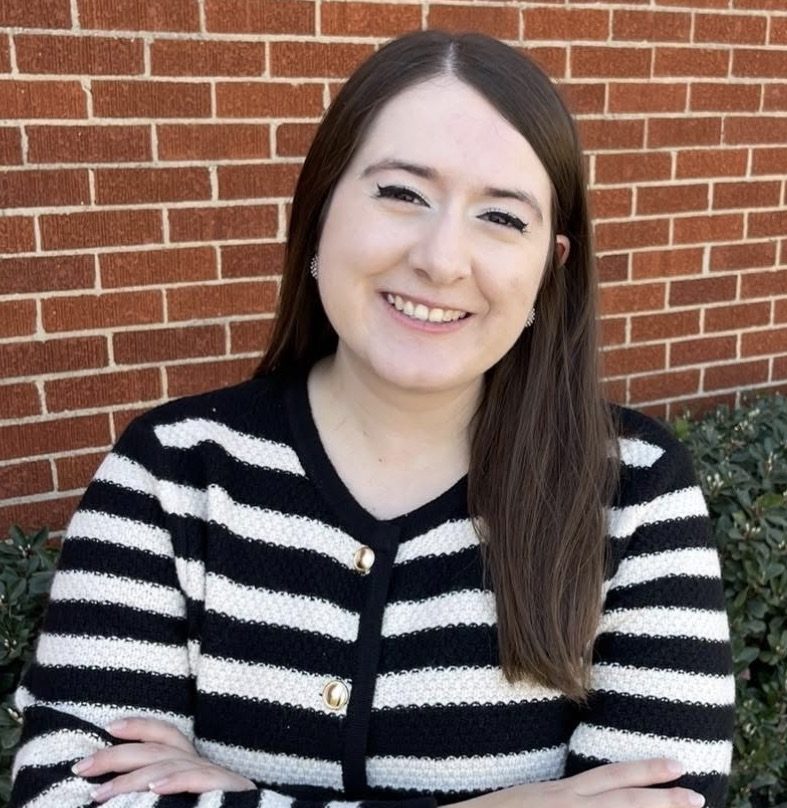
Student at the Diana R. Garland School of Social Work and George W. Truett Theological Seminary, where she is pursuing her Master of Divinity and her Master of Social Work. Ryan is joyfully a member of Seventh and James Baptist Church in Waco, TX.