
Editor’s Note: The following first appeared in the January/March 2025 issue of Good Faith Magazine, which is a complementary resource for all Good Faith Advocates.
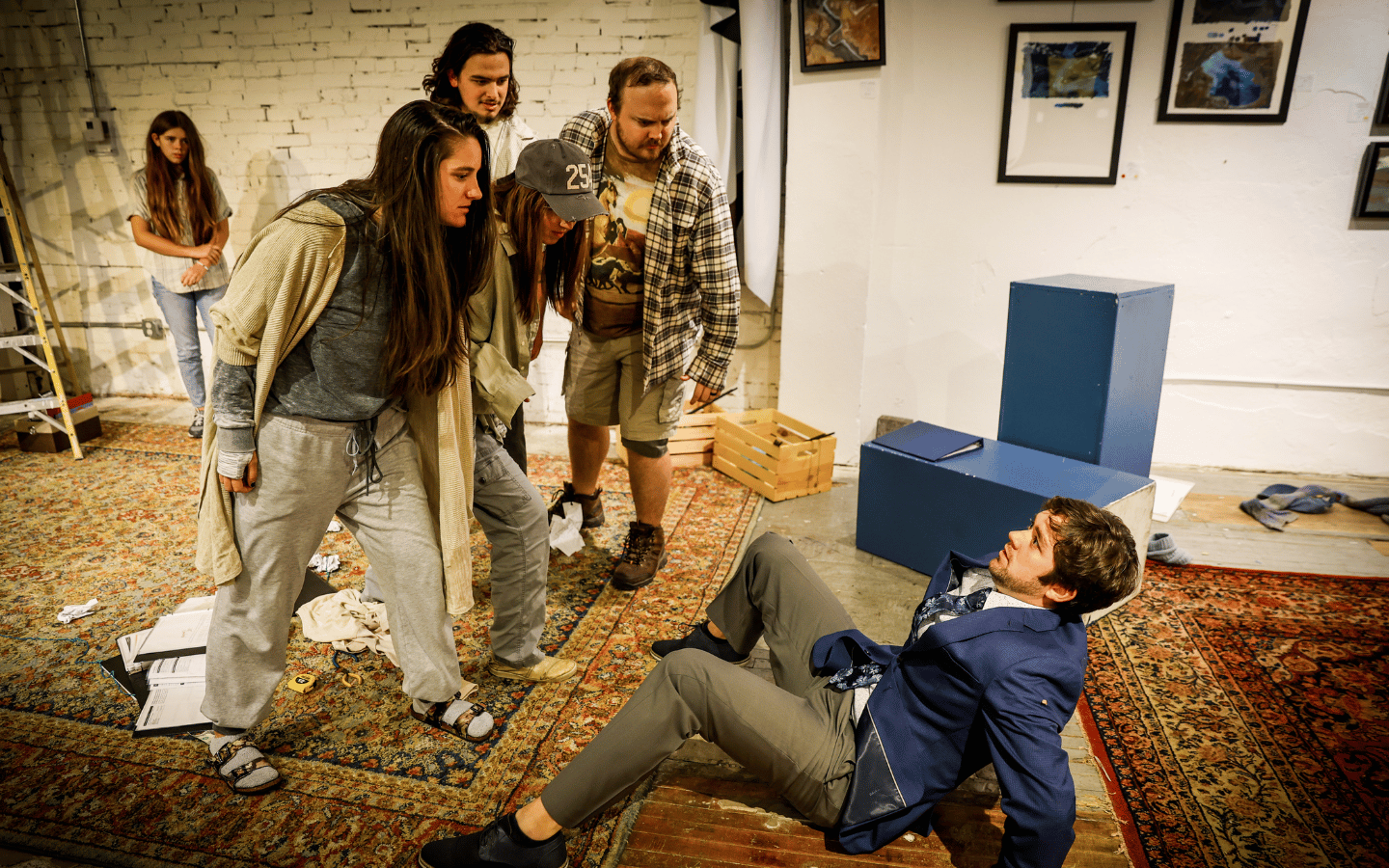
Coming together to put on a play involves a community with a common goal. Everyone is bound together by the script, working to bring the text to life. We rehearse together regularly, learning each other’s quirks and honoring collective strengths and weaknesses in ways that propel the group forward.
We play. We experiment with the script. We make new choices, allowing creativity to flow. We celebrate mistakes as we pursue something beautiful.
We come face-to-face with each other’s truths and create space for our lives to impact the text because we know the text only lives and breathes through the community inhabiting it.
Truthfully, my experience in the theater better approximates church than church itself often does.
What is the church, if not a community of people bound together by a text, pursuing the common goal of Christlikeness in the world today?
And yet, in the church, we rarely celebrate the playfulness and creativity the theater takes for granted. Rarely do we willingly encounter one another’s truth, allowing diversity and individuality to breathe new life into our sacred text. Rarely, if ever, do we examine it with the rigor and regularity of the rehearsal room.
My work as a theater professional has made me a better person of faith, plain and simple. It has made me more open, creative, empathetic, willing to learn, and earnest about trying new things regardless of failure.
It may be time for the church to take a page or two from the theater’s playbook.
- About the Author
- Latest Posts

Trent Clifford is a speaker and spiritual director. His latest book is By a Firefly’s Glow: Poems for Growing, Healing and Becoming. He shares weekly on his Substack, and more about his work can be found at https://www.reclaimingfaith.org/.