
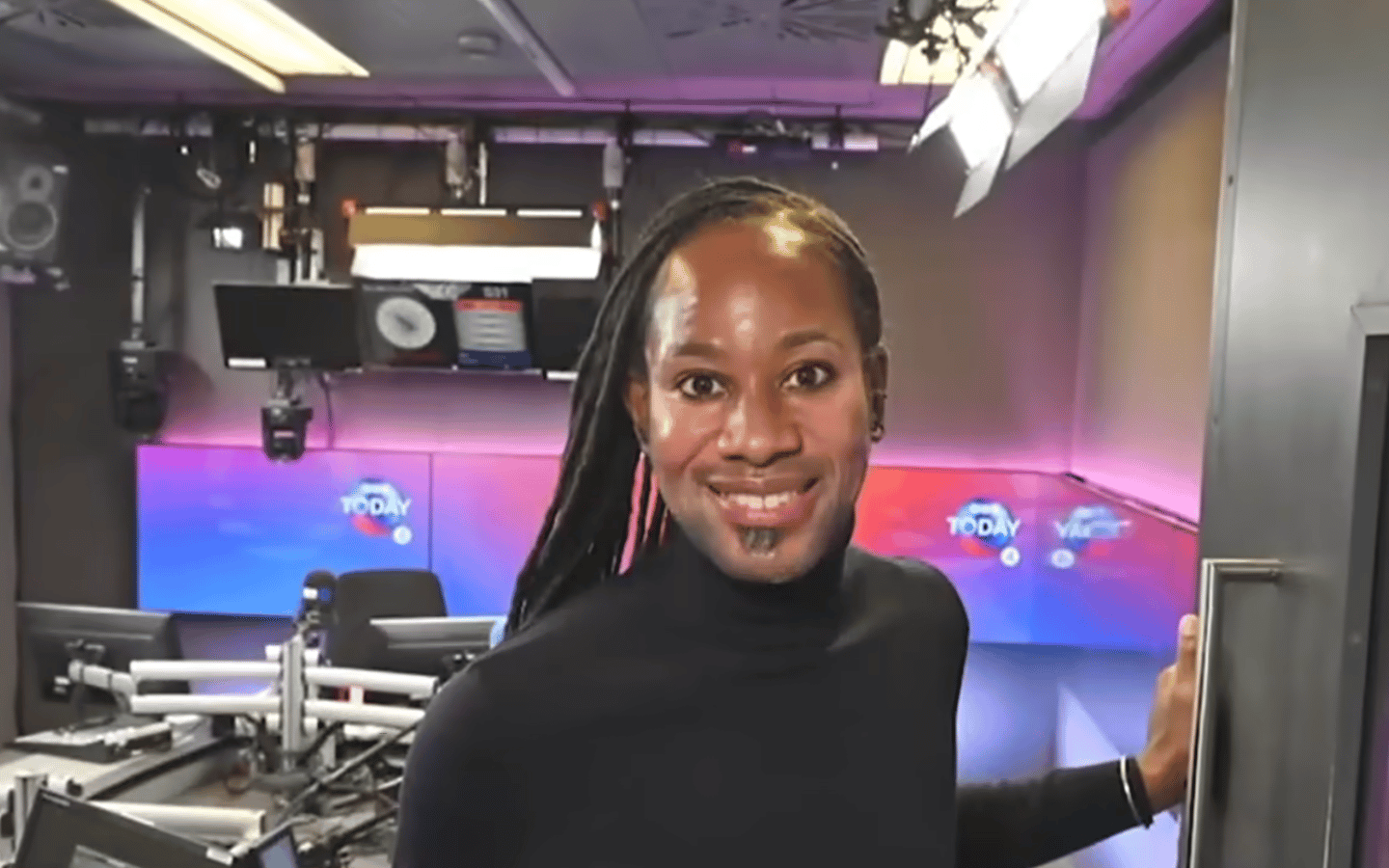
The recent tragic death of Professor Jason Arday, formerly of the University of Cambridge, weighs heavily on my heart. Arday was the youngest Black professor in Cambridge’s history. He also faced an extraordinary level of public and media scrutiny over his qualifications, academic work, and personal accomplishments.
Although legitimate questions hovered over his academic record and public biography, the intensity and character of the media firestorm prompt troubling questions about race, professional achievement, and the standards by which Black professionals are judged.
The controversy around Professor Arday reminds me of research I encountered during my graduate studies at Duke University. Implicit racial bias continues to be a salient problem in universities and professional workplaces throughout the world. Research across economics, organizational psychology, sociology, and related disciplines has repeatedly demonstrated that Black professionals can encounter challenges in the workplace at a level their white counterparts do not experience.
Black professionals may, for example, be subjected to heightened scrutiny because of implicit assumptions concerning competence, credibility, professionalism or belonging. Such biases can create a form of professional over-policing in which mistakes, shortcomings, or inconsistencies become more consequential when committed by a Black employee.
The result is a troubling double standard: Black professionals may feel that they must continually demonstrate their competence and perform at an exceptionally high level merely to receive the recognition routinely afforded to others. This burden extends beyond individual performance.
Black professionals who are among the few minorities within an institution can experience what might be called representational pressure. They are not always permitted the luxury of simply being individuals. Their successes and failures may instead be interpreted as evidence about an entire racial group.
The shortcomings of a white professor are generally understood as the shortcomings of that particular professor. The shortcomings of a Black professor, however, can become entangled with larger arguments about diversity, affirmative action, or whether Black scholars truly belong within elite institutions.
That distinction is profoundly important.
Research has also documented disparities in hiring, promotion, compensation, mentorship, and opportunities for professional advancement. Black applicants may face greater skepticism about their credentials, even when they have qualifications comparable to those of white applicants. Black women can experience the additional burdens created by the intersection of racial and gender stereotypes.
None of this means Black professionals should be exempt from accountability. Integrity and excellence must remain essential standards in every profession. It does mean, however, that accountability should be equitable, proportionate, and humane.
The tragedy surrounding Professor Arday should cause institutions to examine not only individual conduct but also institutional culture. Universities, corporations, churches, and other organizations should provide serious education on implicit bias. They should establish fair, transparent standards for hiring, evaluation, promotion, discipline, and professional advancement.
Such education should not be reduced to superficial diversity exercises. Its purpose should be to help people recognize assumptions they may not even realize they possess and to ensure that every person is evaluated according to consistent and just standards.
For Christians, however, the matter goes deeper.
The book of Genesis declares that every human being is created in the Imago Dei, the image of God. Human dignity is therefore not bestowed by universities, corporations, governments, social classes, or professional accomplishments. It is inherent in our creation. To encounter another human being is to encounter someone who bears the divine image and who consequently possesses an inviolable dignity.
This Christian understanding finds an intriguing point of resonance with the African ethical concept of Ubuntu, often expressed through the idea, “I am because we are.” Our humanity is not something we possess in isolation. We discover and express our humanity through relationship with others. The flourishing of my neighbor does not diminish me; rather, our flourishing is interconnected.
We are one human family, a beautiful mosaic of colors, cultures, histories, experiences, and gifts. Our differences need not become occasions for suspicion or hostility. Instead, they can become manifestations of the extraordinary breadth and beauty of God’s creation.
So let us go forth with our eyes wide open to the dangers of implicit bias in our workplaces, universities, churches, and communities. Let us seek the knowledge and self-awareness necessary to recognize prejudice within our institutions and within ourselves. Let us learn to see those who do not look like us, speak like us, or share our backgrounds through God’s eyes.
And even when legitimate questions must be asked, even when criticism or accountability is warranted, let us never forget the human being standing at the center of the controversy.
Professor Jason Arday was more than a headline, more than a controversy, more than an academic appointment, and more than a symbol in society’s arguments about race. He was a human being.
May his tragic death remind us that truth and accountability need never require the abandonment of compassion, proportionality, justice, or human dignity.
- About the Author
- Latest Posts
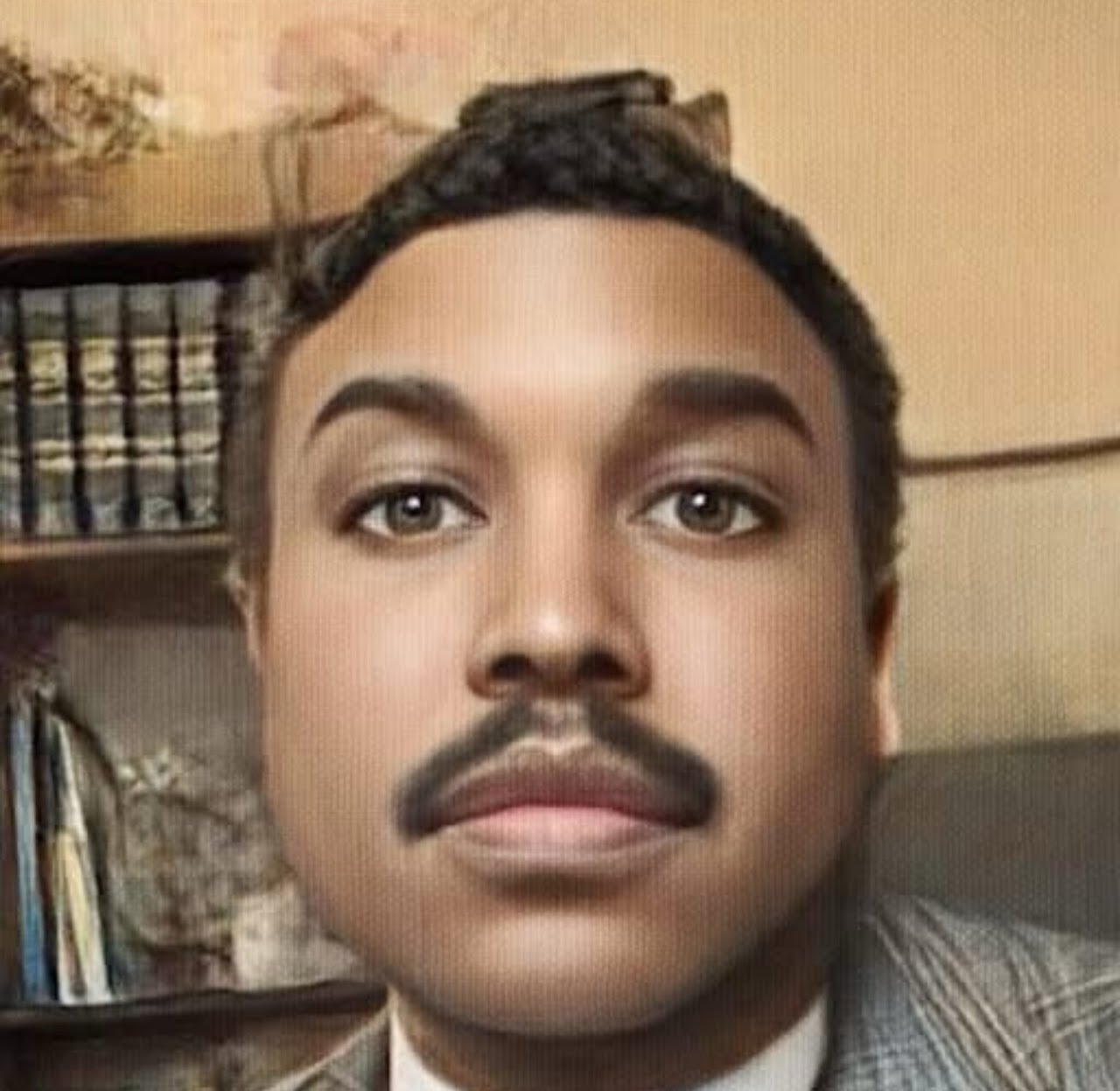
Donald E. Williams is a United Methodist pastor and Duke University graduate. He completed his doctorate at Duke University in 2022 and is the author of An Investigation Into the Relationship Between Aristotelian Eudaimonia and Christian Discipleship: A Thomistic Perspective, Wipf and Stock Publishers. His website is https://www.virtuespromise.com/.
Newsletter: https://donaldewilliams.substack.com/publish/posts