
For Christians, engaging in politics is an extension of our witness as disciples. Staying informed about current affairs, supporting causes and candidates we believe are best, and voting are all ways to show our love for God and neighbor.
Politics is the venue where a society debates ideas and decides what policies the government should or should not pursue. As such, political engagement offers Christians an opportunity to fulfill biblical commands, such as Micah 6:8, which calls us to act justly and show mercy to our neighbors and fellow citizens.
When done faithfully, engaging in politics with a Christlike attitude points others toward the heavenly realm, where we will enjoy complete freedom under God’s perfect governance. Additionally, it allows us to help the vulnerable, sick, poor, marginalized and migrant, as well as the “least of these,” as articulated by Jesus Christ in the Gospels.
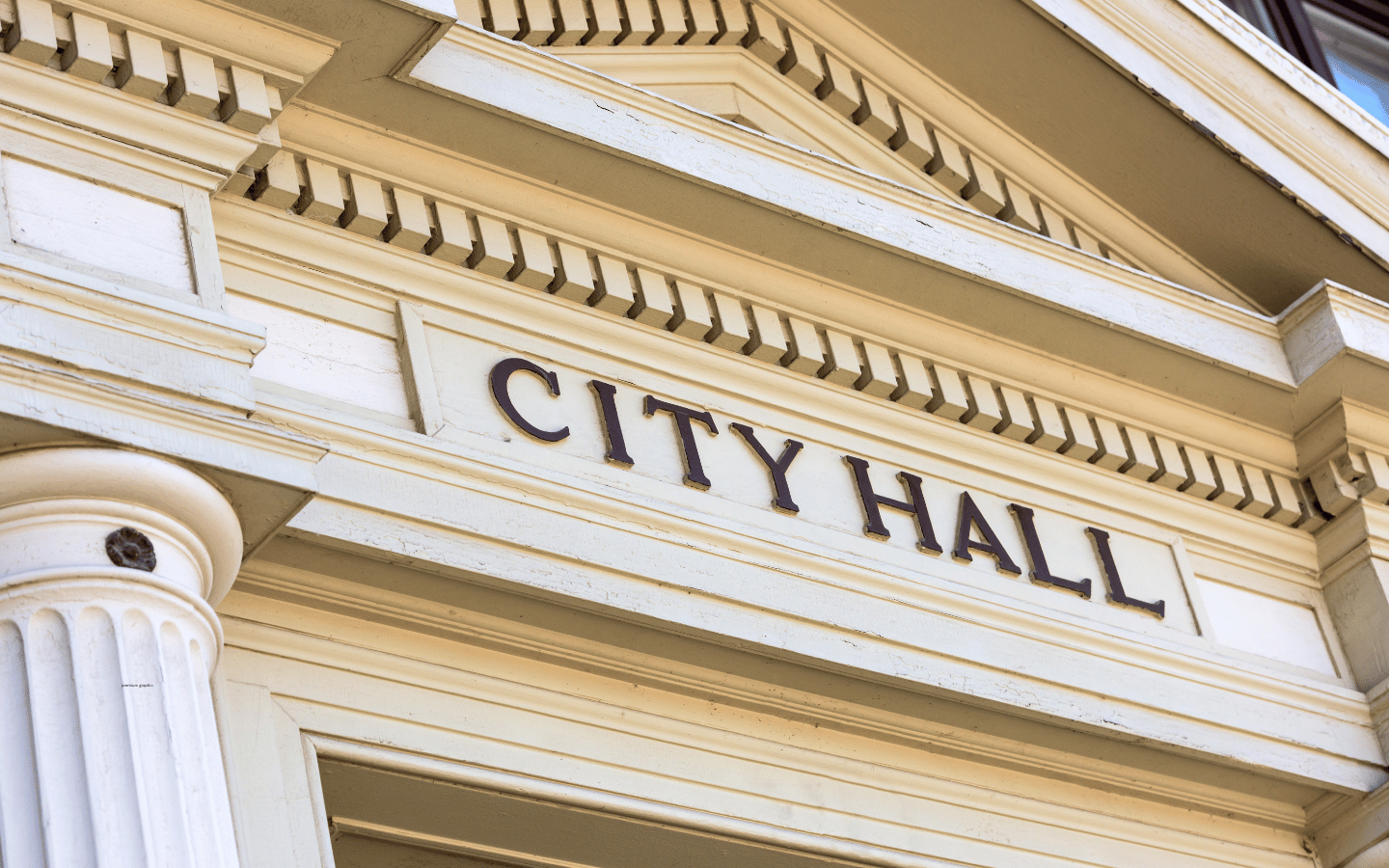
When we discuss politics in the United States, we generally assume this means the federal government, particularly presidential elections. However, we should reconsider the relative importance of national elections and instead highlight local elections and ballot measures.
Federal elections are no less important, but we should consider a different approach that elevates a frequently undervalued and underappreciated level of the public arena. Local elections, including mayoral, city council, county executive, school board and other races, are extremely valuable. They shape the day-to-day decisions that govern us and our neighbors.
Leaders in these offices can promote programs welcoming migrants into their communities, craft more just criminal justice and policing systems, and invest in students’ educational outcomes and safety. They can also protect lower-income communities often victimized by poor housing options. These are just a few areas where local politics can be transformative.
Unlike state and federal elections that draw tens of millions of voters, these local leaders are typically elected by only thousands or tens of thousands of people. This increases the importance of local engagement and each voter, as advocacy, activism and campaigning can truly change minds.
How might we faithfully engage in politics at the local level? By asking candidates real questions and sharing their responses helps inform others about where they stand on the issues. Sharing more information on social media spreads about these candidates, especially if we support them and believe they would best represent our communities.
Additionally, donations to local campaigns go further and make a bigger difference than in statewide and national elections. Finally, we can volunteer for candidates we especially support and speak with neighbors and fellow community members about why we support them.
These steps at the local level allow us to practice better, more faithful political engagement.
Local elections are frequently nonpartisan, meaning that the partisanship that plagues our federal politics is far less notable. Strengthening our skills in political engagement at the local level can only increase our witness as disciples of Christ at the federal level.
Again, increased political engagement at the local level does not decrease the importance of state or federal elections. However, when considering our greatest ability to enact change and advocate in accordance with the various scriptural commands before us, neglecting local elections is a grave error. Jeremiah 29:7 reminds us to “seek the welfare of the city … for in its welfare you will find your welfare” (ESV).
This November, let us practice faithfulness as disciples of Jesus Christ by engaging in politics at the local level. In doing so, we have the opportunity to help and love our neighbors, which is one half of the dual commandment found in Matthew 22:36-39 that should govern our personal and political lives at all levels.
- About the Author
- Latest Posts

Matthew Kolb is a Masters student at Southwestern Baptist Theological Seminary. His writings on foreign affairs, public policy, and Christian ethics have appeared as opinion pieces for Vital Center Magazine, Baptist News Global, and Voices on Peace and War.