
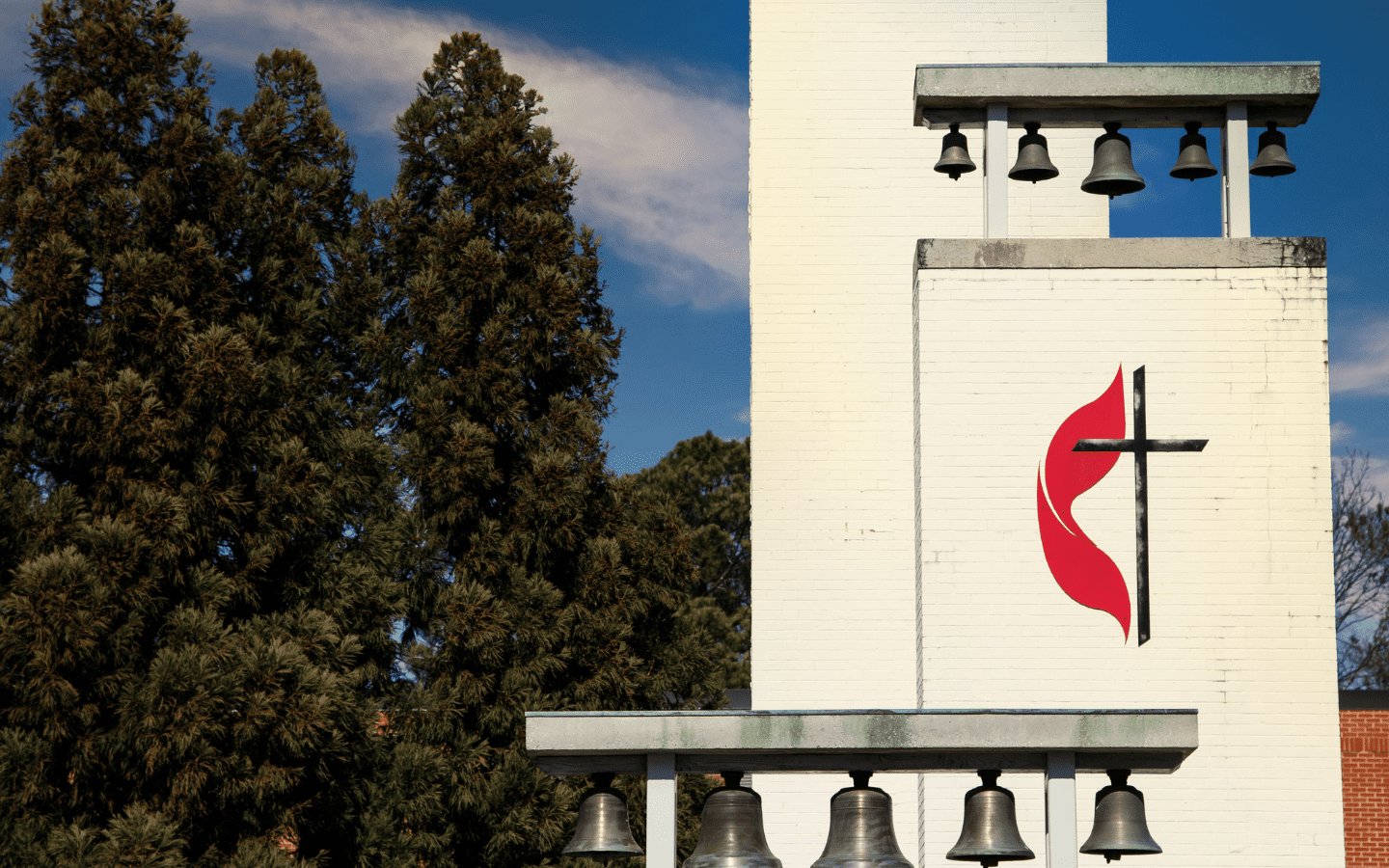
The Methodist tradition offers three simple rules for the Christian life: Do no harm. Do good. Stay in love with God. Rooted in John Wesley’s General Rules and expressed in this familiar form by Bishop Rueben P. Job, they offer a compelling moral framework for the challenges facing our nation.
As the incoming Democratic majority prepares to govern in Congress, these principles can help turn an electoral victory into a commitment to the common good. They provide a standard by which to judge the exercise of power: Does it protect the vulnerable, advance justice and honor the dignity of our neighbors?
Do No Harm
The first responsibility of leadership is to recognize suffering and stop contributing to it.
Congress should begin by challenging policies that have increased economic hardship for ordinary Americans. Tariffs that raise the cost of imported goods place additional burdens on families already struggling with household expenses.
Congress must reclaim its constitutional responsibility over trade and carefully review the tariff authority it has delegated to the executive branch. Reducing harmful tariffs could ease some price pressures, although it would not, by itself, resolve the broader affordability crisis.
Immigration enforcement also demands urgent scrutiny. Enforcing immigration law does not excuse cruelty, disregard for due process or unnecessary violence. The deaths of U.S. citizens Renee Good and Alex Pretti in encounters involving federal immigration agents underscore the need for independent investigation and meaningful accountability.
Good was killed by an ICE officer; Pretti was killed in an encounter involving Border Patrol agents. Congress must examine the conduct of the agencies involved and use its oversight, appropriations and legislative powers to protect both public safety and constitutional rights.
The dignity of immigrants must also remain central to this work. Every person bears the image of God. Humane treatment cannot depend on citizenship or immigration status.
Health care presents another urgent moral responsibility. Congress should reverse provisions of the One Big Beautiful Bill Act that undermine access to care and separately restore the enhanced Affordable Care Act premium tax credits that expired at the end of 2025.
A family should not have to choose between paying its bills and obtaining necessary medical treatment. Our tax priorities should reflect the needs of ordinary households, including those with the fewest resources.
The same moral concern extends beyond our borders. Congress should rebuild the humanitarian and development capacity lost through the dismantling of USAID. Programs that address hunger, disease and displacement express a practical commitment to human life.
America’s leadership should be measured, in part, by its willingness to help people whose suffering offers us no immediate political advantage. To do no harm requires leaders to examine whose lives bear the cost of their decisions.
Do All the Good You Can
Wesleyan ethics calls us to act wherever we can relieve suffering and advance the well-being of others.
For the incoming Congress, this means a sustained commitment to justice and accountability. Credible allegations of corruption, grift and abuse of authority deserve thorough investigation.
When evidence establishes wrongdoing, those responsible should face the appropriate legal and ethical consequences. Such accountability must be guided by evidence and due process, and applied regardless of party.
Public office is a public trust. Leaders who treat it as an opportunity for personal enrichment betray the people they were elected to serve.
Doing good also requires protecting the integrity of our national memory. Congress should defend national museums and public institutions’ ability to present African American history truthfully.
That history includes slavery, resistance, emancipation, segregation and the continuing struggle for equal citizenship. It also includes the extraordinary achievements of people who helped this nation move closer to its professed ideals.
An honest account of our history helps us understand both the injustices we have inherited and the responsibilities we share. Truthful remembrance is essential to a more just future.
Congress should also support fair and effective diversity, equity and inclusion policies. At their best, these initiatives identify barriers that have kept qualified people from opportunities to contribute and lead. They recognize that formal equality does not automatically remove the effects of longstanding exclusion.
Such programs should be evaluated honestly, administered fairly and improved where they fall short. Their purpose should remain clear: To ensure that women, racial minorities, people with disabilities and others who have encountered exclusion receive a fair opportunity to develop their gifts and flourish.
A Wesleyan vision asks us to consider what our neighbors need in order to thrive—and what we have the power to do about it.
Stay in Love with God
The third rule gives spiritual depth and direction to the first two.
For Christians, public responsibility begins with allegiance to God. The Jewish Shema, found in Deuteronomy 6:4–6, calls Israel to recognize the one God, love God wholeheartedly and keep God’s commandments close to the heart. Jesus reaffirmed this commandment and joined it to the obligation to love our neighbors.
For those of us who follow Christ, this devotion must shape how we exercise power, speak about opponents and respond to suffering. Worship, prayer, Scripture, Holy Communion and other spiritual disciplines nurture the humility and courage necessary for faithful public life. They remind us that every political movement remains accountable to a moral authority beyond itself.
In a religiously diverse democracy, Christian leaders must also protect the freedom of people of every faith and of those who practice no faith. Our faith calls us to serve our neighbors without making religious agreement a condition of their dignity or rights.
Democrats will face real constitutional and political limits when the new Congress convenes. Legislation may encounter presidential vetoes, and lasting reform will require persistence, negotiation and public trust. Still, those limits leave substantial room for courageous leadership.
The Wesleyan rules provide a demanding place to begin: Stop inflicting harm, pursue every opportunity to do good, and remain rooted in the love of God.
The moral measure of this new majority will be found in the lives of the people it serves.
- About the Author
- Latest Posts

Donald E. Williams is a United Methodist pastor and Duke University graduate. He completed his doctorate at Duke University in 2022 and is the author of An Investigation Into the Relationship Between Aristotelian Eudaimonia and Christian Discipleship: A Thomistic Perspective, Wipf and Stock Publishers. His website is https://www.virtuespromise.com/.
Newsletter: https://donaldewilliams.substack.com/publish/posts