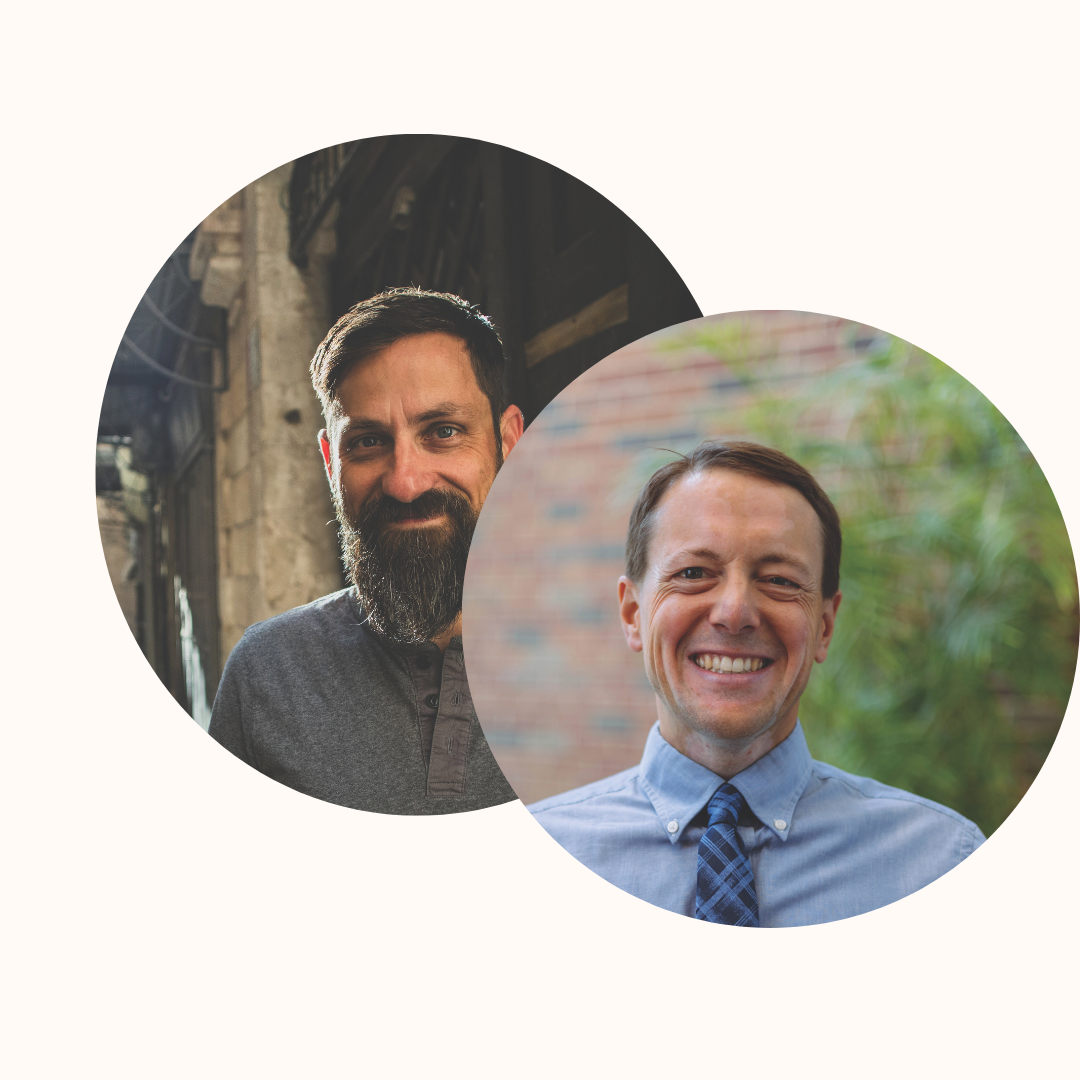
Editor’s Note: The following is adapted from Every Somewhere Sacred by Ben Norquist and Brian Miller, which will be available on June 16 from IVP.
Why Do Places and Land Matter?
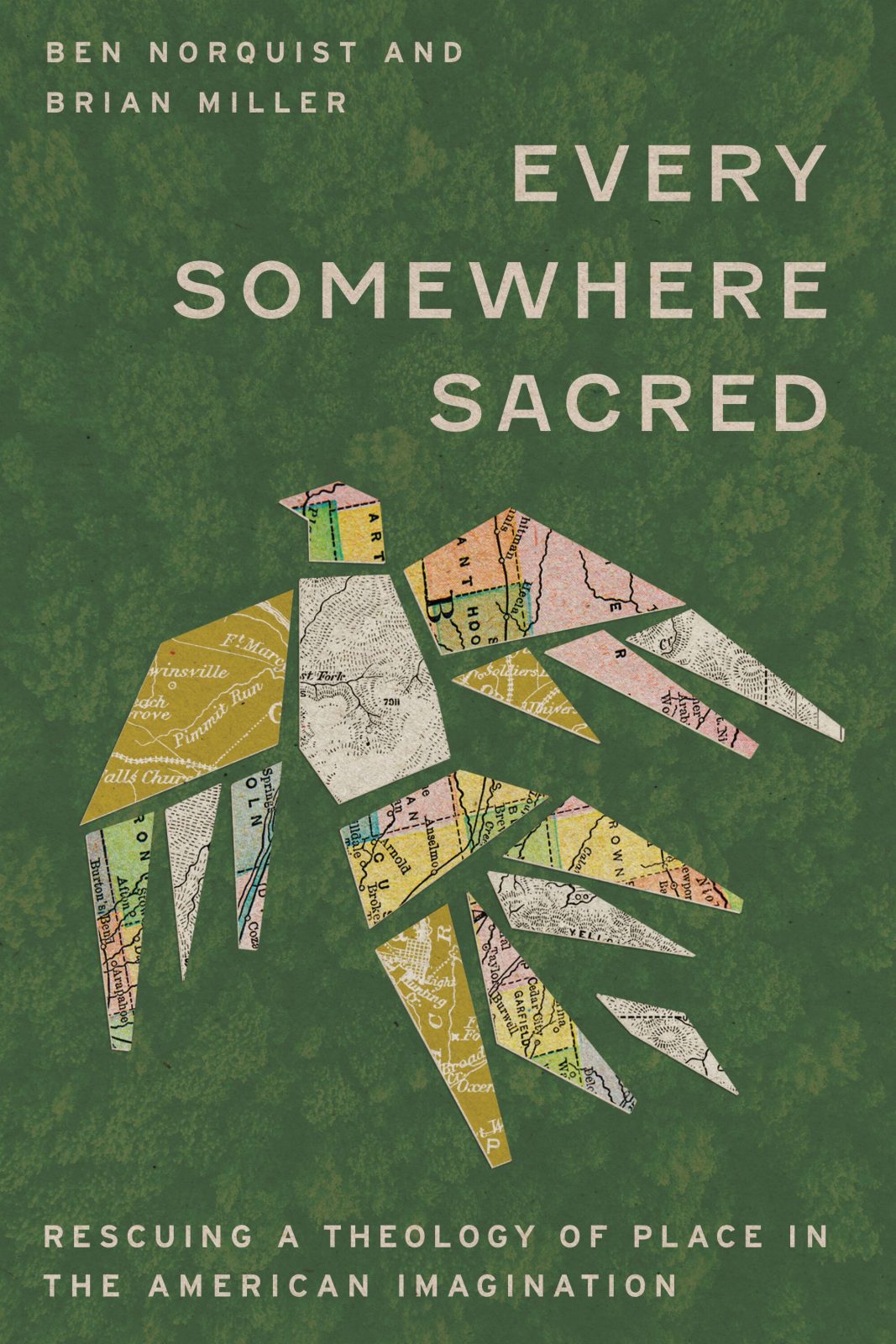
(Credit: IVP)
We live in places without knowing them. We can pass through the thick and varied landscapes of God’s world without seeing or knowing them. So why should we care about the places we inhabit?
First, God cares about the physical world, so we should too. Evidence is everywhere throughout Scripture: God created spaces, God declared them good, God made a special place (a garden), God gave detailed instructions for people to make places (a mobile place called the tabernacle and another place called the temple), God was made incarnate into a particular place, God prepares heavenly places for us, God judges places, God sent apostles out to new places, God promises to remake the earth as an eternal place. Need we go on?
God is the Creator of spaces and places. It is one of the first things we learn about God in Scripture. Indeed, from the very first verse of the very first book of the Bible we learn that God made space, places, and land. Genesis 1:1 calls them “the heavens and the earth.”
The Creator made everything, but in the Genesis account, God created places before anything else. Creation is presented in a poetic parallel structure (resulting in pairs of corresponding days: one and four, two and five, three and six). On day one, God made light; on day four, the objects that emit and reflect light. On day two the Creator made the sky and the water; on day five, birds and fish. On day three, God made dry land and plants; on day six, animals and humans (table 1). It makes sense: Animals, plants, and people require space and place in which to live.
Second, we should care about place because God makes us morally responsible for the world. This responsibility is for the world as a whole (as the church universal) and for particular places (as individuals, groups, and communities). The primordial humans carried divine instructions to be caretakers of the garden God planted (Gen 1:28). When God judges a whole place (Sodom, Gomorrah; Gen 19) or laments over a place (Jerusalem; Lk 19:41-44), the implication is that the people have failed in a moral responsibility in or for that place. Shockingly, God’s people even carry this responsibility in exile, toward the land of their conquerors (Jer 29:7). From the divine work that people carried in the garden onward, life under God is intertwined with responsibilities toward places.
These Christian responsibilities include stewarding the natural world (the ethics of creation care/environmental stewardship) but also the built world in all its diverse forms. Jim Wallis says a budget is a moral document. He means that budgets have moral implications, that they express choices about where to allocate resources, which priorities to pursue (and which to not pursue), and who will benefit (and who will not). Likewise, when we discuss the built world, we emphasize the moral quality of zoning decisions, infrastructure, blueprints, maps, and schematics. These documents are morally meaningful. The ways communities configure space will shape their character and determine who flourishes and who languishes.
Finally: We should care about places because they exercise immense influence over the character, values, and life of people. This physical world directly affects people.
People often understand that the natural world can have a profound influence on us. It can inspire us, intimidate us, and even transform us. When we stand on the shores of Lake Superior in a dark sky park and the stars are blazing, or when we approach the Grand Canyon with fear and trembling, or when we find a rabbit den in our squash patch, we understand this. We can encounter a place and come away changed.
But we do not always think about the impact the built world has on us—the roads we drive, the houses we enter, the neighborhoods and shops we frequent. These places influence us, perhaps even more strongly than the Grand Canyon does, but because they feel normal to us, we do not often notice. That we are unaware of the influence is part of why the influence can be strong and goes without our critical reflection. As Randy Woodley, director of intercultural and Indigenous studies at Portland Seminary, puts it, “There is a direct correlation between the treatment of land and the treatment of people.”
Exemplars help illustrate what it looks like when Christians take responsibility for places. Names come to mind, such as Francis of Assisi, Martin Luther King Jr., Dorothy Day, Dietrich Bonhoeffer, Desmond Tutu, Mother Teresa, Oscar Romero, Howard Thurman, Leo Tolstoy, Watchman Nee, and others.
John Perkins is another example. A Christian minister, civil rights leader, and cofounder of the Christian Community Development Association, Perkins is an example of a Christian approaching places and communities in a faithful way. He moved his family back home to Mississippi from California to minister near his hometown. He and his wife founded a local daycare, led voter registration efforts, and protested injustice in their region. Perkins was arrested and tortured in the 1970s for his stand on civil rights, but he remained faithful. Perkins summarized his approach to community engagement and ministry with the “three Rs”: relocation, redistribution, and reconciliation.
We are not all supposed to be John Perkins, but we are expected to follow Jesus in the places we live. And for every famous exemplar, there are thousands of others seeking to be faithful in their own places.
______
Adapted from Every Somewhere Sacred by Ben Norquist and Brian Miller. ©2026 by Benjamin Eugene Norquist and Brian J. Miller. Used by permission of InterVarsity Press. www.ivpress.com.
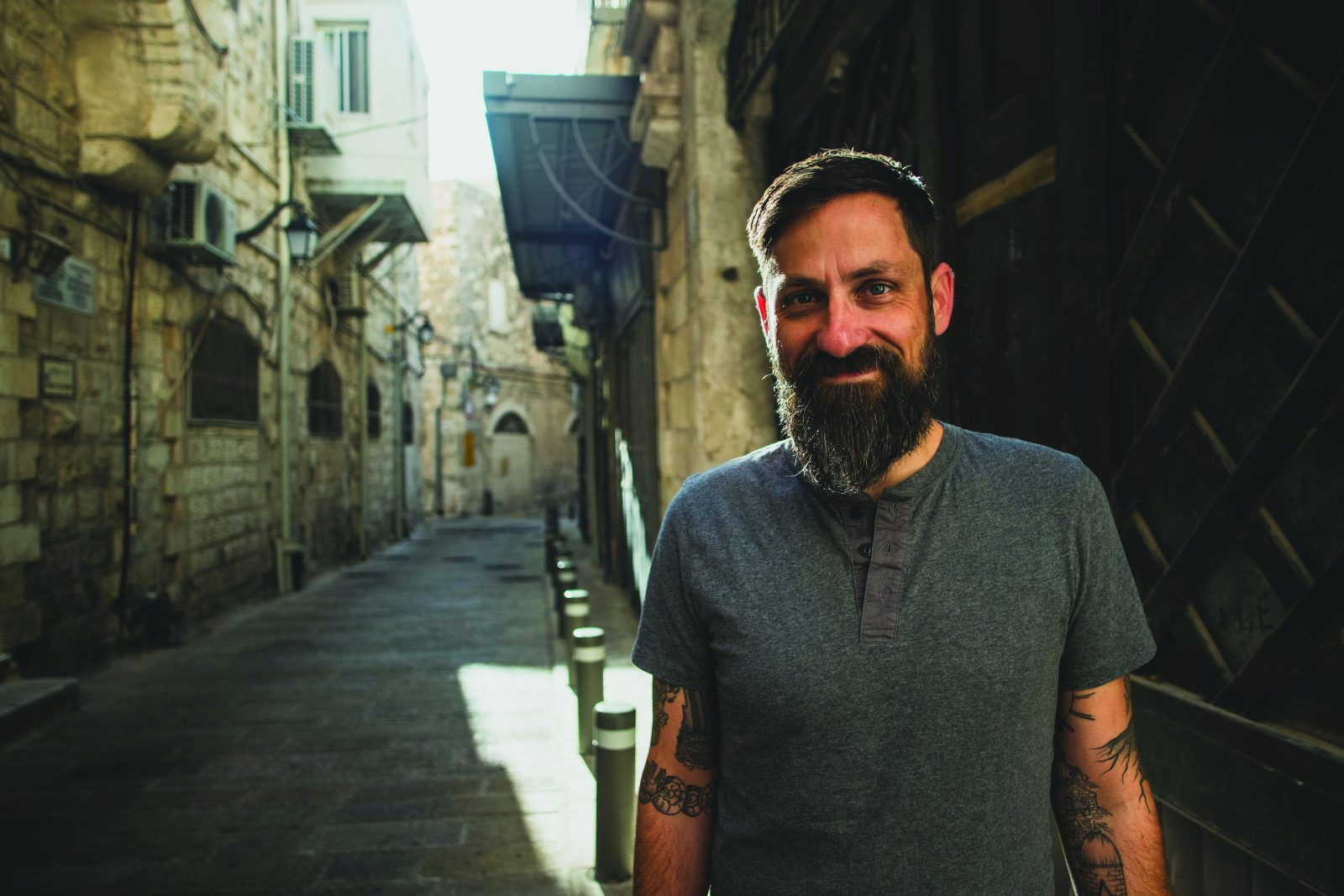
Ben Norquist
Ben Norquist (PhD, Azusa Pacific University) has served as director of grants and academics for Churches for Middle East Peace and as director of the Network of Evangelicals for the Middle East, where he helped American Christians pursue holistic peace with their neighbors around the world. Previously he also worked as a leader on the spiritual formation and community engagement team at Bryan College (Dayton, Tennessee) and with the Center for Faith and Innovation at Wheaton College (Illinois). He is a coauthor of Every Somewhere Sacred: Rescuing a Theology of Place in the American Imagination (June 2026).
Link to Ben’s website: https://www.bennorquist.org/

Brian Miller
Brian Miller (PhD, University of Notre Dame) is professor of sociology at Wheaton College and regularly teaches about and publishes on Christian residential and cultural patterns. His books include Sanctifying Suburbia: How the Suburbs Became the Promised Land for American Evangelicals and Building Faith: A Sociology of Religious Structures, coauthored with Robert Brenneman. He is a coauthor of Every Somewhere Sacred: Rescuing a Theology of Place in the American Imagination (June 2026).
Link to Brian’s website: https://legallysociable.com/
- About the Author
- Latest Posts