
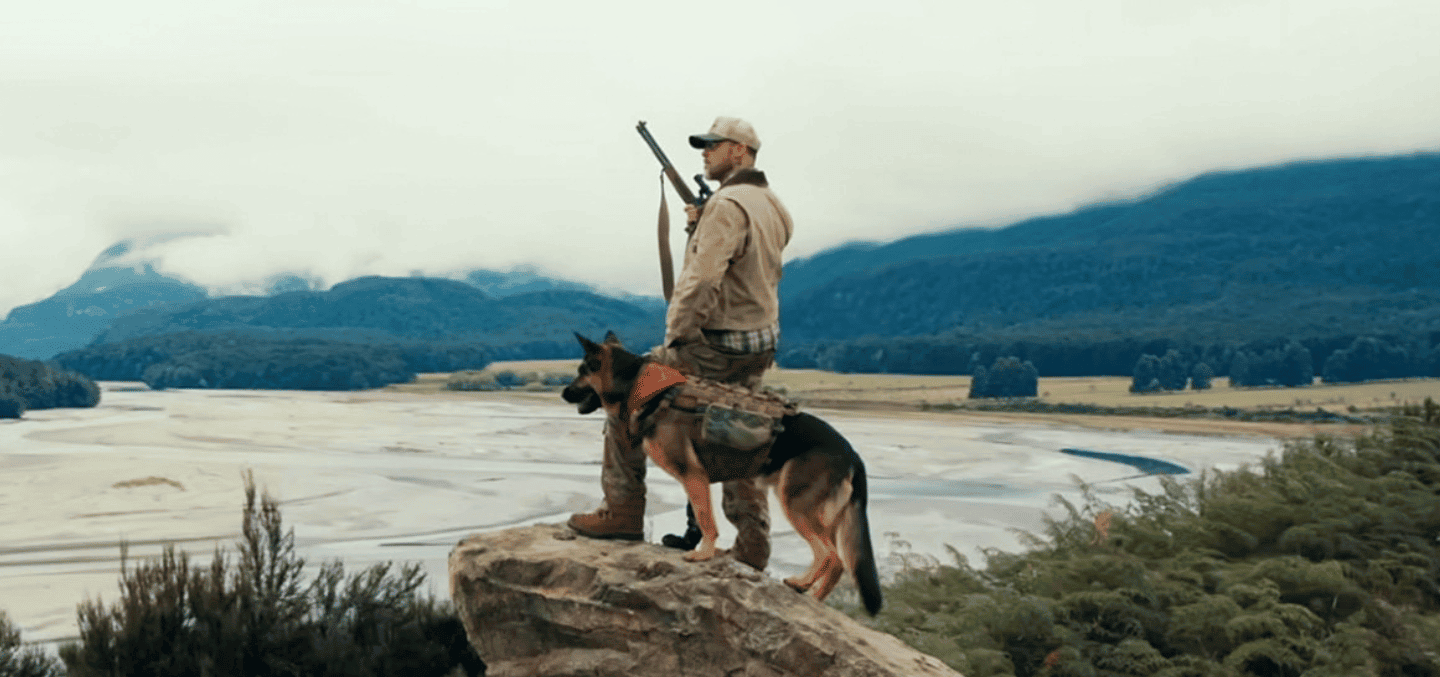
In David Ayer’s film Heart of the Beast, Brad Pitt plays James Belmont, a former Army Special Forces operator who is alone in the Alaskan wilderness with his retired combat dog, Odin. That’s just the way they both want it. Belmont and Odin, both suffering from PTSD and physical wounds incurred in service to their country, have left the world and its brutality behind in search of beauty and peace.
I screened Heart of the Beast a few weeks ago with about one hundred friends. As part of my work with the studio, Paramount introduced me to two local marketers who were there to gauge my audience’s reaction.
One woman said, “This is the kind of movie that makes grown men cry.” A friend of mine actually did.
Once our preview screening ended, he left immediately. He told me later he couldn’t stay. It was too emotional. In the last year, his life has had too much upheaval, and the emotional nature of Heart of the Beast put him over the edge. Why?
What David Ayer has stumbled upon and what drew Pitt to the film is not a stoic man-versus-nature story. Even with the visceral action, the obstacle-overcoming, and the spectacular scenery, Heart of the Beast is really about the unconditional love between two creatures who have seen and suffered the worst our world has to offer.
The relationship between Belmont and Odin, played by a dog named Uber, never seems like a device to play on our emotions. Those of us who have and love dogs will see their faces in Odin and know and experience the pure love they have for us. That could be manipulative, but we already love our dogs, and Odin reminds us why.
We talk about unconditional love as though it were soft. Sentimental. Something for greeting cards.
Heart of the Beast recalibrates unconditional love as both tender and fierce, unrelenting and trusting.
Love is costly, bloody and stubborn. It walks on bad legs. Love refuses to leave.
The apostle Paul wrote, “Love … bears all things, believes all things, hopes all things, endures all things” (1 Corinthians 13:7, NRSV). That’s the journey Odin and Belmont walk together.
At the same time, Belmont and Odin should force us to face what we ask our soldiers to do and what they get when they return. We love parades and flags, the pomp and circumstance surrounding our military, but the damage many of our soldiers, Marines and airmen return home with is not easily or quickly healed.
One criticism of the film lies in the inciting incident: Why was a man like Belmont alone with his dog in the Alaskan wilderness in the first place? Fair enough.
But the answer is simple, even if it’s not understandable: We all do what we need to do to heal. And what might be appealing to one of us might never be appetizing to others.
Our churches are full of people like James Belmont, people looking for and longing for healing. And that’s if we are lucky. Many have simply left to be left alone because we have met their real traumas with fog machines, trunk-or-treats and gimmicks dressed up as sermons.
Belmont is in the wilderness because, even with its physical dangers, it doesn’t offer grown men VBS answers to life. Belmont and Odin offer one another what so many trauma sufferers seek: a companion who is simply there. One who will never leave. Odin never asks Belmont to explain himself.
- About the Author
- Latest Posts

CEO of Sean Palmer Coaching, Homiletician in Residence at Bammel Church in Houston, and co-host of the “Sacred Frames” movie podcast.