
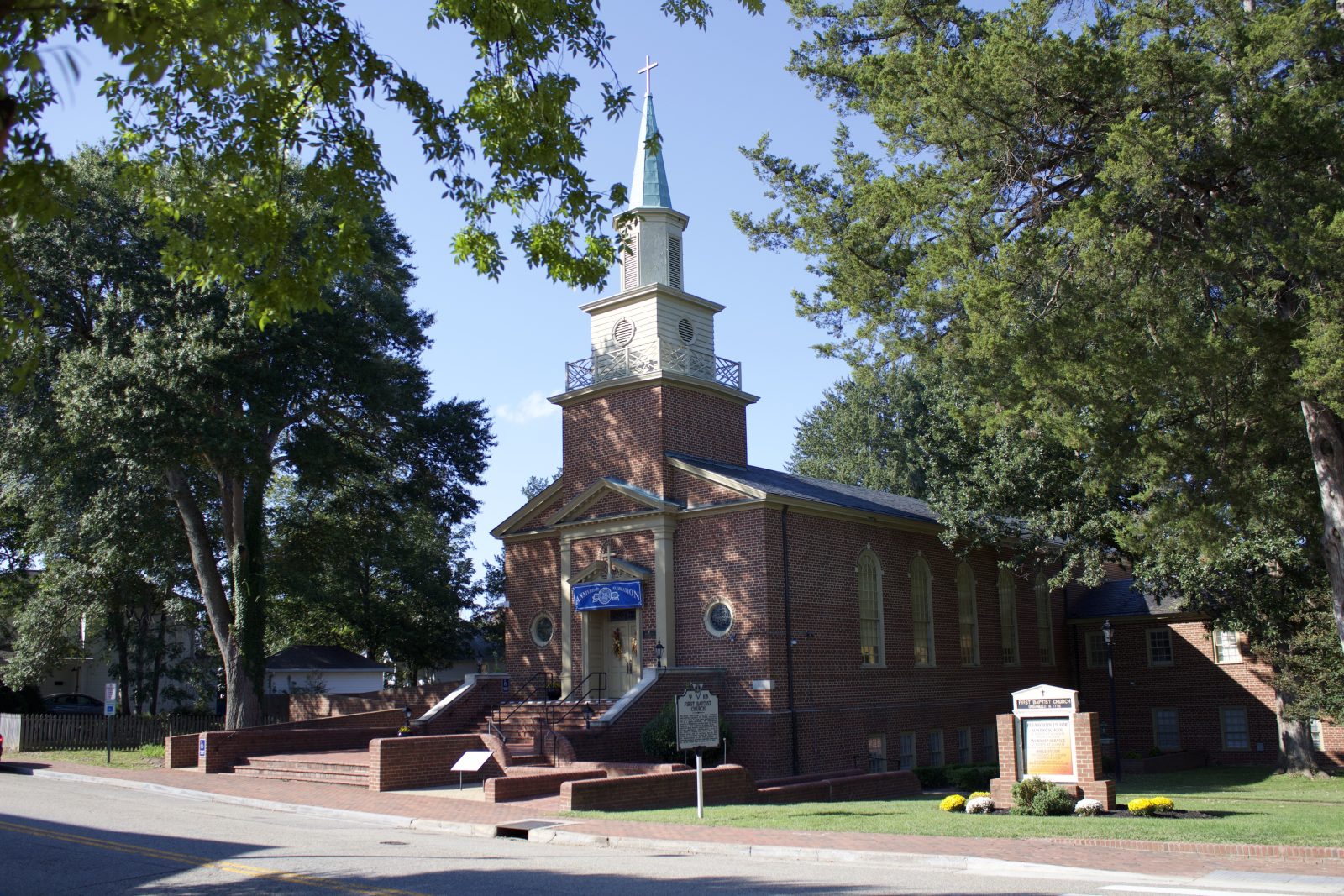
In October, the Historic First Baptist Church of Williamsburg, Virginia, celebrated its 250th anniversary. It is believed to be one of the oldest Black churches in the United States.
Historical Significance
The Rev. Dr. Reginald Davis, FBC’s senior pastor for 20 years, believes this church’s founding during the signing of the Declaration of Independence should be better known across the country. “As you begin to write your history, you cannot write out Black people because we’ve been a part of this American formulation since its inception,” he said.
Since its inception, FBC has made waves through a rich history of advocating for and working toward justice. It provided worship space for free and enslaved Africans and African Americans during the American Revolution and provided theological education to Black people after the Civil War. Later, the church was deeply involved in the civil rights movement, even once hosting the Rev. Dr. Martin Luther King Jr.
Anniversary Celebrations
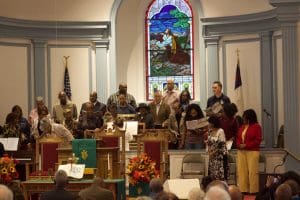
The weekend celebration kicked off on Thursday, October 8, with a worship service themed “Songs of Jubilee.” It centered around music important to the history of Black Christian churches throughout the United States, starting with early hymns, then moving through spirituals, transitional music, early gospel, and modern gospel. The choir encouraged those gathered to sing along to classics such as “Oh, Happy Day” and “Blessed Assurance.”
On Friday, Colonial Williamsburg unveiled the revived African Meeting House, where FBC originally met shortly after its 1776 founding. A storm destroyed the original structure in the 1800s. The congregation built a new building on the original site but relocated in 1956 when Colonial Williamsburg bought the property and began constructing the site as it is today. FBC now meets in a building on Scotland Street.

Colonial Williamsburg not only rebuilt the original meeting house in partnership with the Let Freedom Ring Foundation but also revitalized the accompanying burial grounds. As they’ve uncovered more graves, they’ve added burial markers to note people’s final resting places.
“It’s the unearthing of a people who have been there all along, but nobody knew it—or nobody acknowledged it,” Davis said. “When you unearth all of this, you actually get to see the ancestors of this church, the ancestors of the community, now. Especially with the backdrop of what’s going on in our country today with the rolling back of certain rights and the removal of displays from the Black museums, this is a unique time in history that we’re reminding America that Black history is American history.”
More than 500 people were invited to attend the unveiling of the revived meeting house. Judge John Charles Thomas and Virginia state Sen. Mamie E. Locke, the first African American woman elected mayor in Hampton, both made public remarks.
On Saturday evening, the church hosted a homecoming gala to thank local supporters and welcome others. Its Let Freedom Ring Foundation awarded the inaugural Freedom’s Bell Award to Brent Leggs, president and CEO of the National Trust for Historic Preservation.
The anniversary celebrations concluded on Sunday morning with worship. The church welcomed guests from all over the country as they celebrated.
Community Impact
The city of Williamsburg, Colonial Williamsburg, and William & Mary University have all been incredibly supportive of the efforts to share FBC’s story more broadly, no matter how complex the history has been. Even though the history can be hard to hear, community partners have approached it with attention and care.
“They just want to get it right,” Davis commented, “and that’s all our young people want us to do, to tell the truth about what happened.”
Davis said that the outpouring of support from the community to be able to do exactly that was overwhelming—from sponsorships to donations to speaking engagements. Throughout the weekend, daughter and granddaughter congregations connected to FBC also gave donations to support FBC’s continued work.
Historic Trail Launch
Colonial Williamsburg also launched a new project: the African American Heritage Trail. According to the initiative’s website, the trail is a preservation and education project designed to honor and interpret the city’s rich and complex African American history.
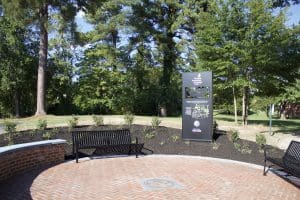
Once completed, the two-mile walking trail will connect several Black historic sites throughout Colonial Williamsburg, highlighting the importance of individual Africans and African Americans in founding the United States and shaping Virginia’s historic districts. Along the trail, walkers will be invited into a self-guided learning opportunity facilitated through an app that provides information about the sites. FBC’s grounds serve as the secondary trailhead, which was unveiled during the anniversary weekend.
Looking Forward
FBC knows that this history doesn’t stop with it. Davis said he hopes future generations will not only remember the history of this congregation and the Black people who helped shape America but also become people who shape America themselves in a spirit of justice.
“My hope for the future of this church is to pass this legacy on to future generations,” he said.
FBC is available year-round for tours for groups who would like to learn more about the church, its history, and its significance throughout Virginia and the United States as a whole.

- About the Author
- Latest Posts
A bivocational pastor, writer and spiritual director based in Williamsburg, Virginia, she currently works as a Spiritual Director at Reclamation Theology. Cawthon-Freels is the author of Reclamation: A Queer Pastor’s Guide to Finding Spiritual Growth in the Passages Used to Harm Us (Nurturing Faith Books), and a contributing correspondent at Good Faith Media.