
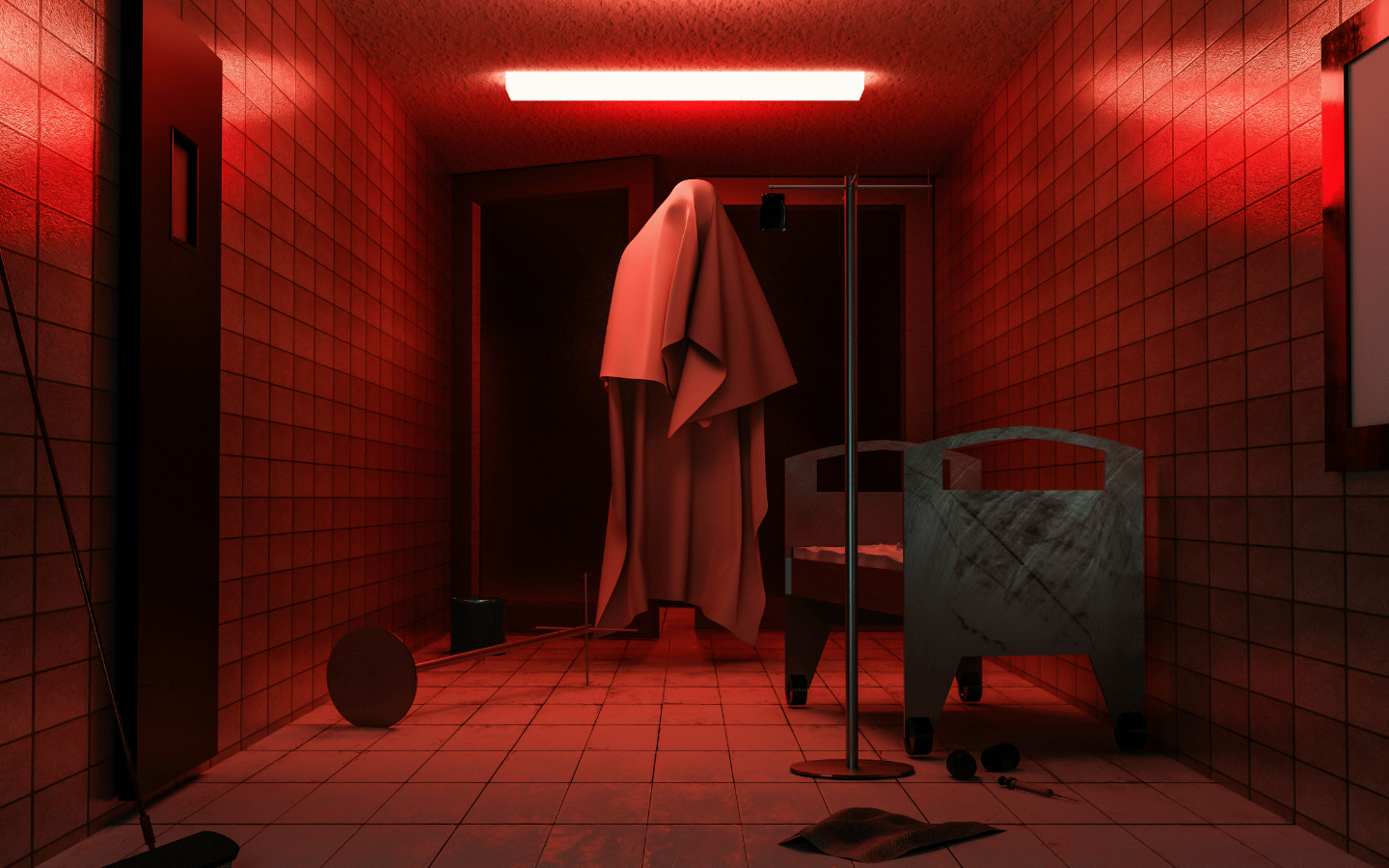
In high school, I was rarely pressured to do drugs or drink. However, I was constantly pressured to watch horror movies.
Sometimes I relented, but the story always ended the same. I would leave in tears halfway through The Amityville Horror, Saw, or Hostel, then spend the next week tormented by nightmares, terrified of what lurked around the corner—or behind my eyelids.
Eventually, I learned that no amount of peer pressure would make me enjoy horror. Something about the darkness in these films awakened a primal fear within me.
It didn’t help that my youth group constantly talked about demonic possession and regularly drilled it into us that watching horror was not Christ-like. Some preachers even went as far as saying that witnessing the images in horror could lead to the opening of a satanic portal in our own minds.
We were inviting the devil inside.
Horror Month
For years, October was my own personal nemesis. Horror movie commercials abounded. Houses in my neighborhood were decked out like my worst nightmares. The season’s general spookiness left me perpetually uneasy.
And then, something shifted and I started to enjoy the thrill of being scared.
I began to untangle my relationship to the Evangelical God and the Western church and in turn, examined the church’s obsession with demonic forces and satanic panic. As I untangled, I saw the church in a new light. The shadowy, terrifying figures appeared inside the church and were far more horrifying than any fictional monster on the big screen.
Over the last few years, I have tested the horror waters, first by reading books in the genre, and then by checking out some movies. I quickly learned that there were many sub-genres of horror, and while I didn’t enjoy films that focused on torture or “demonic possession,” there were many other types of horror films I loved. They included psychological horror classics like The Shining, comedy horror like Send Help, and even body horror films like The Substance.
Even more surprisingly, I discovered horror films can help with anxiety. Researchers at Denmark’s The Recreational Fear Lab solely focus on studying the impact of “recreational fear”, whether it’s the impact of horror films, haunted houses, or other scary activities. They’ve discovered horror fans were more psychologically resilient during the COVID-19 pandemic, and that recreational fear allows for “play” and the “practice” of coping skills for real-world horrors.
This research confirms what I have seen in my own life. I have tested my limits with horror while asking myself, “Do I enjoy this?” and “Why do I enjoy this?”
In the past, I would have believed that someone who enjoys scary movies is far from God, desensitized to evil, and engaging in an activity that is harmful to their mind and body. But the research and my own experience show the contrary.
Take, for example, the Australian queer film Leviticus. The coming-of-age horror introduces us to two closeted gay teens who must hide their identity within their highly religious, conservative town.
When their queer desires are uncovered, they are forced into a cruel conversion therapy practice, and a monstrous being is unleashed. The film offers a fascinating, cathartic look at the pain of conformity in the name of religion—and the visceral internal fight that comes from forcing people into a box they weren’t designed for.
Horror Healing
As someone with my own trauma, I’ve found horror has been its own catharsis for me. I’m currently reading the new horror fiction Trad Wife by Sarah Langan, which turns the increasingly popular “trad wife” genre on its head.
It takes a story that’s already been done and examines it through the lens of terror. It’s both an entertaining treat to read and an interesting examination of Christian Nationalism and trad wifery in our contemporary culture.
Gaining access to horror through my newly “deconstructed” mind has allowed me to discover a new part of myself—one less afraid of fear, one that welcomes the darkness and the questions that follow.
I used to believe watching scary movies and reading scary books opened me up to inner harm. Now, I see that letting myself be vulnerable to these new experiences has given me access to something once forbidden.
I was once taught to turn away from the darkness for fear it would consume me and change me into someone I was never meant to be. Now, I’m learning there’s something worth finding in the forbidden darkness and that change isn’t so scary either.
- About the Author
- Latest Posts

Brianna Bell is a Canadian journalist whose work has been featured in The New York Times, The Guardian, The Globe & Mail, and more. Brianna’s memoir, God Lover, will be published by Dundurn Press in June 2027.