
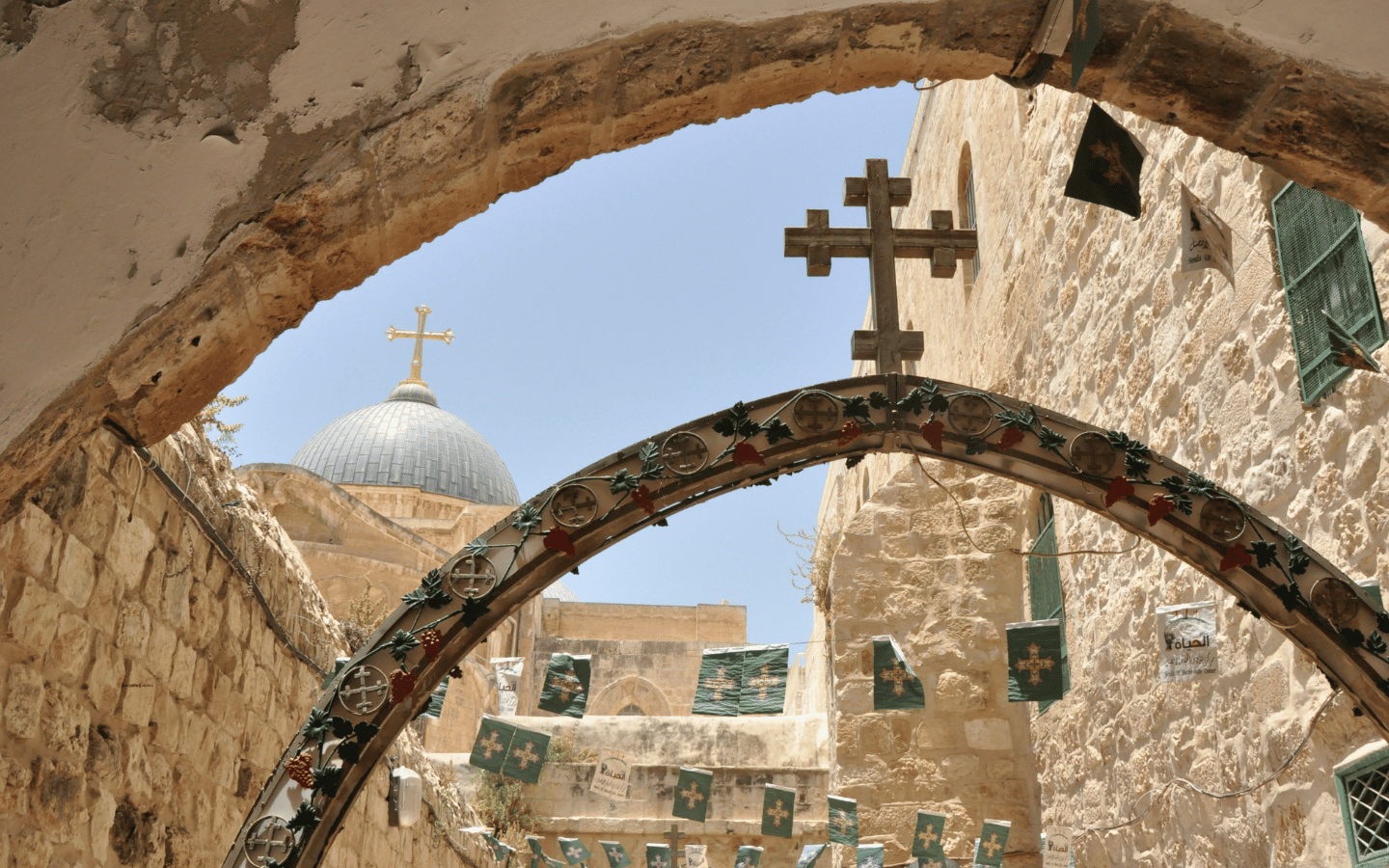
For the first time since Israel’s founding, the Jerusalem Municipality is seeking to collect property taxes from major Christian churches in the city. Observers say the implications may go much deeper than a simple tax dispute.
This summer, Shomrim, an independent nonprofit Israeli news organization, reported that the municipality was engaged in secret negotiations with the Catholic, Greek Orthodox and Armenian Orthodox churches to collect what amounts to tens of millions of U.S. dollars. Some of these taxes would be levied retroactively.
Tax policies dating to the British Mandate have allowed religious, educational, health and other nonprofit institutions to receive exemptions from municipal property taxes. Tensions have flared in recent years as various Israeli cities have changed their policies and disputed the exemption status of certain church-owned properties.
Churches have claimed the policy changes amount to an attack on the Christian presence in the Holy Land. In 2024, Christian leaders penned a letter of concern to Prime Minister Benjamin Netanyahu.
“We follow with concern this campaign against the Churches and the Christian community in the Holy Land, which has reached an unprecedented level, dragging the Churches into legal proceedings from north to south,” they said. “In response, we assert our historical and legal rights, which [municipal] actors are now trying to violate.”
However, the most recent dispute may have implications beyond the churches’ financial status. Many of the religious properties that could be subject to taxation are located in East Jerusalem, which is widely regarded internationally as occupied Palestinian territory. According to Uri Blau, who wrote the Shomrim story, “payment of property tax to the Jerusalem Municipality could be construed as tacit recognition of Israeli sovereignty over East Jerusalem.”
In addition to being on the hook for millions of dollars in back taxes, churches, then, could be forced to weigh in implicitly on the politics of Israel’s occupation of Palestinian territories.
As these disputes intensified last year, the Catholic Church hired a Washington lobbying firm to press U.S. officials to intervene on behalf of Christian churches. As a result, Netanyahu temporarily directed local authorities to hold back their collection efforts. However, according to the Shomrim report, church representatives now believe they will ultimately have to pay property taxes on at least some of their holdings.
- About the Author
- Latest Posts

Senior Editor at Good Faith Media.