
The first thing visitors see when entering the Museum of Christian & Gospel Music in Nashville is the phrase “…imperfect people pursuing a perfect God,” printed in white against a black wall.
For those steeped in the language of evangelicalism and its various genres of music, the statement will evoke nods of recognition. Whether those nods are accompanied by an “amen” or groans of disgust is another story.
The amen corner will hear a theologically sound declaration of human fallibility set against the backdrop of a holy God. Those who side-eye the statement likely know the sting of a religious culture that restricts which “imperfect people” are allowed at the table and reserves stringent control over what it means to “pursue God.”
Like everything else in Nashville, the Museum of Christian & Gospel Music is as much about the business of music as the music itself. At the height of contemporary Christian music (CCM), industry gatekeeping likely influenced which artists were eventually featured in the museum and which were left out.
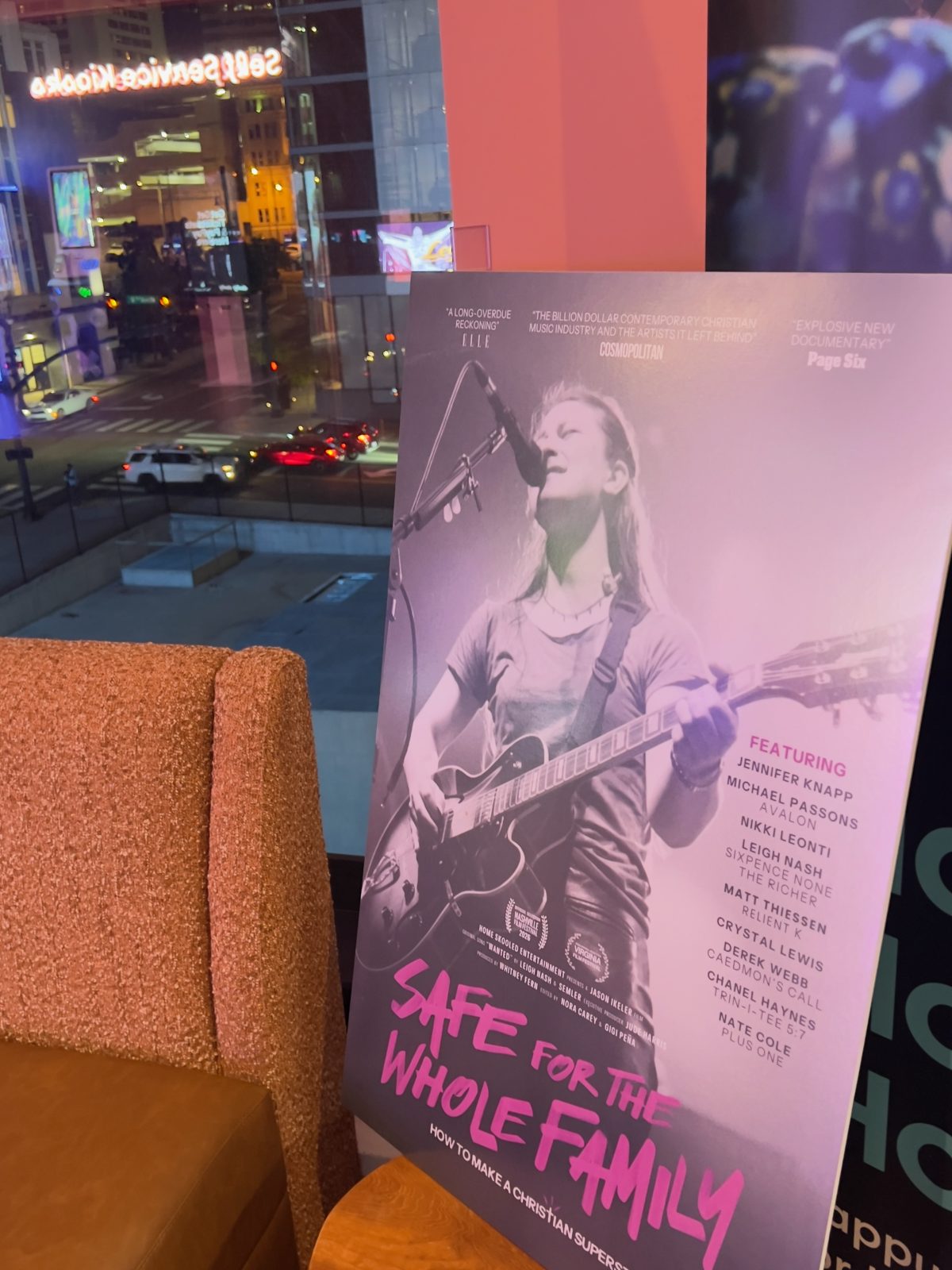
The purging of some artists who were deemed a bit too “imperfect” for the industry is the subject of Safe for the Whole Family: How to Make a Christian Superstar, the debut feature-length documentary by Jason Ikeler. The film premiered at last weekend’s Nashville Film Festival, just across town from the museum that has minimized or completely omitted any reference to these artists’ influence at a pivotal moment in the genre’s history.
Oh My God, Becky
In Safe for the Whole Family, Ikeler skillfully balances a broad introduction to the history of CCM with a narrower focus on three figures from the late 1990s and early 2000s who were exiled or walked away from the business. Each, in their own way, failed to live up to the standards of a fictional, composite character that CCM executives created as the genre’s primary marketing audience. They named their archetype “Becky.”
Becky was a white suburban stay-at-home mom in her late thirties. She practiced a faith that was uncontroversial and unburdened with the complexities of the broader culture. Becky’s husband was the “leader of the family,” but she managed the household. This included shopping in a vast network of Christian retail outlets for books, inspirational home decor, and music. There, she wanted to find media she deemed “safe” for her family.
The owners of these Christian bookstores were more than happy to cater to Becky’s desires, keeping tight control over the content of the books and music they sold. And as print and digital media grew and turned authors and musical artists into celebrities, retailers began to monitor more closely the personal lives of those who created the products that ended up on their shelves. It became increasingly important not just that the books and music were “safe” for Becky’s family. Those who wrote the books and sang the songs also had to live in such a way that didn’t make Becky too uncomfortable.
This wasn’t good news for the artists featured in Safe for the Whole Family.
Real People
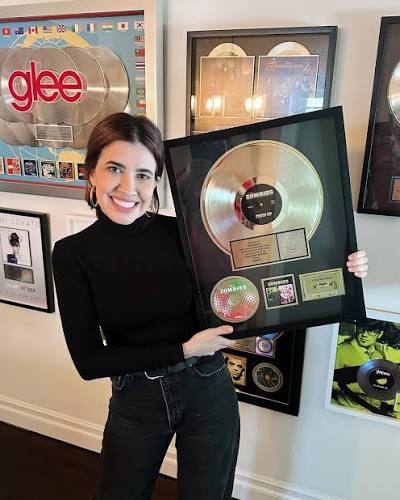
Nikki Leonti
Nikki Leonti was just 16 when she recorded her major-label debut album. Her pop-infused sound quickly gained an audience among Christian teenage girls.
Like many of her contemporaries, Leonti was encouraged to lend her voice to a sexual abstinence message that has since become widely known as “purity culture.” In an interview with Brio magazine, a Focus on the Family publication for teen girls, Leonti said, “Until I know this person is the one I’m going to spend the rest of my life with, I’ve chosen not to give away even a kiss.”
The interview was conducted a year before the magazine hit the shelves. It was released in the same month that Leonti, who was still a teenager and not yet married to her fiancé, disclosed that she was pregnant. In Safe for the Whole Family, she reveals what happened in the aftermath. This included a public walk of shame she had to endure with Christian media and, eventually, the CCM industry removing its support for her career.
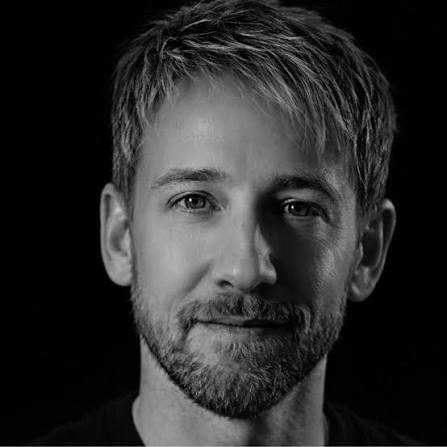
Michael Passons
For Michael Passons, an original member of the pop vocal quartet Avalon, the exile was more immediate.
In 2003, members of his band showed up unannounced at his house to tell him he would no longer be part of the group because he was gay. This followed years of rumors and the band encouraging Passons to attend conversion therapy, which he did for a while before telling them he would no longer continue.
The meeting was extremely traumatic for Passons, who lost his community, the music he loved, and his livelihood all within a few minutes. Because he needed money to survive, he was paid to sign a nondisclosure agreement that let the record company say he left the group to pursue a solo career.
Passons tried a career as a church worship leader but was blackballed from ministry jobs after hiring committees began asking around Nashville about his personal life. In one of the film’s most powerful moments, Passons describes a humiliating experience in which his gig as an Uber driver brought him face-to-face with his former career as one of the most recognizable faces in Christian music.
Although Jennifer Knapp voluntarily walked away from the CCM industry, her story is no less painful than the casting out of Leonti and Passons.

Jennifer Knapp
Knapp broke onto the scene with her 1998 album Kansas, replete with rock guitar riffs and a deeper well of thoughtful lyrics than most of the music on the shelves of Christian bookstores. Like Leonti, Knapp was heavily courted by ministries and industry executives who wanted her to be a public spokesperson for campaigns centered around purity culture. She refused.
In Safe for the Whole Family, Knapp describes how this was an eye-opening moment for her. “It was shocking to me,” she said. “It gave me a sense of understanding the power that music could have in influencing a generation of people.”
Within three years, Knapp recorded three albums and toured endlessly. Like Passons, rumors and speculation about her sexuality followed her around. Yet, as she describes in the film, she lived an essentially asexual, celibate life during her entire CCM career.
After she fulfilled all her touring and contractual obligations, Knapp walked away from music altogether for seven years, exhausted and wary of the unusual expectations that had been placed on her.
Telling the Story
Jason Ikeler grew up in a conservative evangelical family in Ortonville, Michigan. Like the fictional “Becky,” his parents didn’t allow him to listen to secular music. So he fell in love with CCM music, listing Avalon, Plus One, Rachael Lampa, and Stacie Orrico as his favorite artists. At the Nashville premiere, Ikeler joked, “If you know much about Christian music, that playlist should probably tell you that I’m also gay.”
Ikeler was taught that he had to choose between being gay and being Christian, but that he couldn’t be both. So he chose to be gay.

Jason Ikeler
He went on to a career in digital media, eventually leading video production for Hearst Magazines. This included creating content for magazines such as Harper’s Bazaar, Elle, Cosmo, and Esquire. In an interview with Good Faith Media before the film’s premiere, Ikeler said his work at Hearst inspired Safe for the Whole Family.
“We were covering a lot about the young women who were in the spotlight in the early 2000s — like Britney Spears, Lindsay Lohan, and Paris Hilton,” he said. “Society and the media treated them horribly, and then we blamed them for the treatment they received.”
Ikeler wondered aloud to his friend Whitney Fern where the stories of young people in the CCM industry were. He imagined they faced similar pressures as secular pop stars, plus the added expectations of the church and the CCM audience.
Ikeler and Fern, a producer on the film, realized they were the ones to tell this story.
He immediately sent DMs to a handful of his favorite CCM artists, not knowing if anyone would be interested in participating. Almost all of them agreed to participate. Those who didn’t were still supportive.
Ikeler had two goals for the film, neither of which involved taking down the CCM industry or exposing dark secrets.
“First, I just wanted to have a conversation about who gets to decide who is a ‘Christian,’” he said. “And second, I just wanted these artists to be able to tell their story. I wanted other people to see that, regardless of what they believe, these things happened to real people.”
Unfinished Stories
As for the film’s three main subjects, their stories are still in progress. But they continue to make music.
Leonti has had a successful career as a songwriter, backup singer, and vocalist on solo and film projects.
Passons came out publicly as gay in 2020. Earlier this year, he released a new version of Avalon’s hit “Testify to Love,” recasting it as an LGBTQ+ anthem. The song, recorded with former Avalon bandmate Melissa Greene and openly gay country singer Ty Herndon, reached number one on the iTunes Christian & Gospel chart.
After stepping away from the CCM industry, Jennifer Knapp embraced her LGBTQ+ identity and spent several years in Australia with her partner. She returned to music in 2009 and publicly came out as gay the next year. She continues to record and tour the nation as an independent artist.
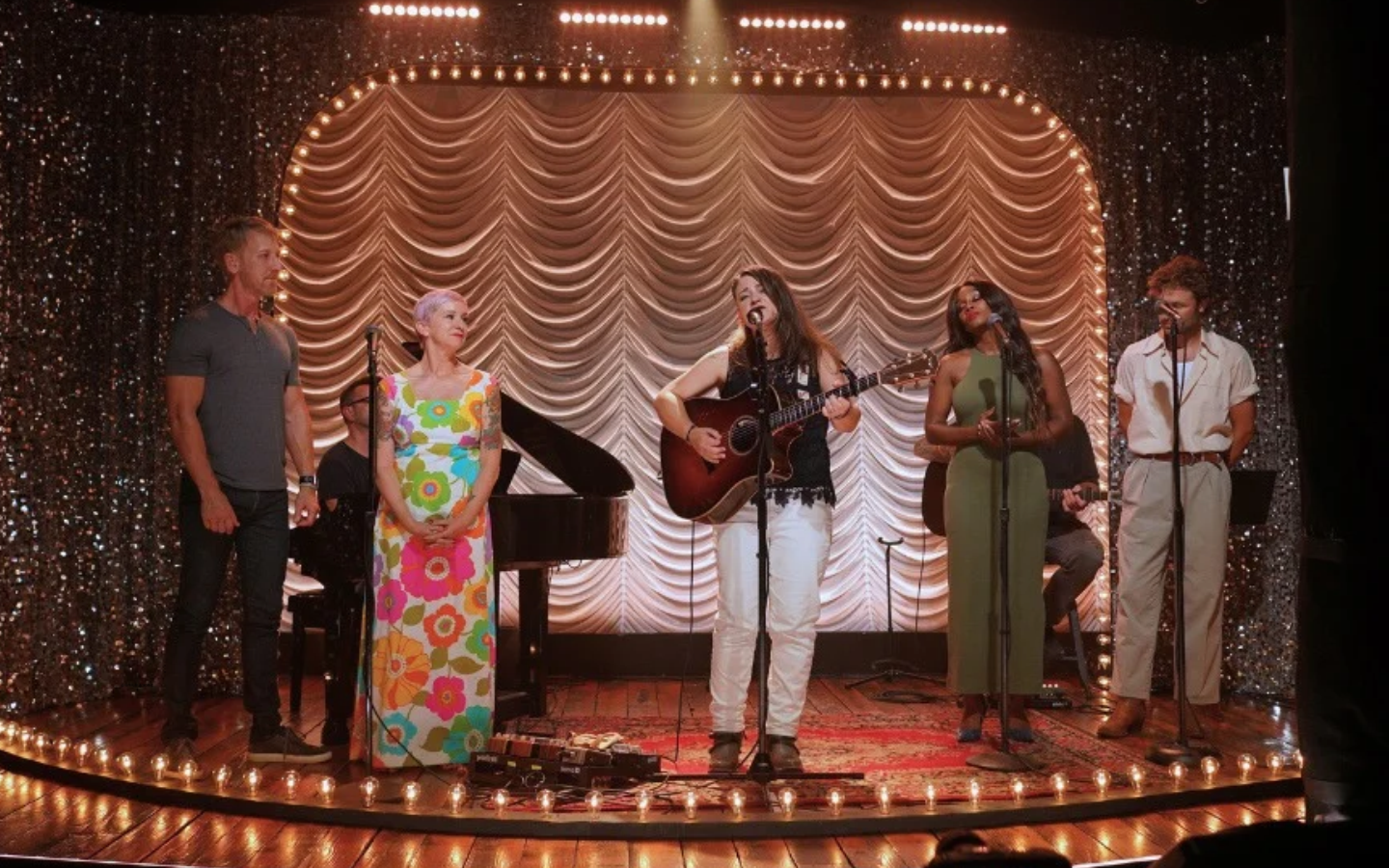
Safe for the Whole Family ends with the incredible new song “Wanted.” Recorded by Semler and Leigh Nash, the tune beautifully tells the story of someone who refuses to stay where they aren’t wanted.
A Better Journey
The Museum of Christian & Gospel Music is likely to be crowded next week during the Gospel Music Association’s annual Dove Awards. But on the weekend of the Nashville Film Festival, when I walked in, it was fairly empty. As someone who spent much of my adolescence and young adulthood obsessed with the genre, I was curious. But I also wanted to know which of the artists who had influenced the genre made it into the building and which ones were left out.
As hard as I tried, I found no mention of Nikki Leonti.
Michael Passons appears and is named in a band photo of Avalon. Yet, despite “Testify to Love” being one of CCM’s most successful songs of all time, the band is featured very little in the museum’s exhibits.
One wall features artists whose music relies heavily on their guitar playing. Although they don’t label it this, one portion of the wall could easily be titled “Girls with Guitars.” Jennifer Knapp’s absence on this display is obvious.
I only found her name in one place — in small print at the bottom of a 1998 tour poster for Audio Adrenaline and the Supertones.
As I exited the building, I stopped at the Cantinas Arts Café, a small venue connected to the museum that features live performances by aspiring Christian music singers. On this Saturday, a young woman with a pure, sweet voice sat on a stool, playing guitar and singing pop-infused melodies about Jesus to those passing by. I later looked her up on social media, where her bio says she loves making and sharing music about her journey with the Lord.
I hope her journey includes a rich tapestry of experiences and relationships that testify to the wide-open arms of Love. I pray she is allowed to lean fully into who God has created her to be, and that she becomes a holy agent of expansion, breaking down the walls that have held so many out.
“Safe for the Whole Family” will next appear at the 2026 Virginia Film Festival on October 25. Tickets go on sale October 5 at VirginiaFilmFestival.org.
Good Faith Magazine featured a story about Jennifer Knapp in its April-June 2025 issue. Read it here.
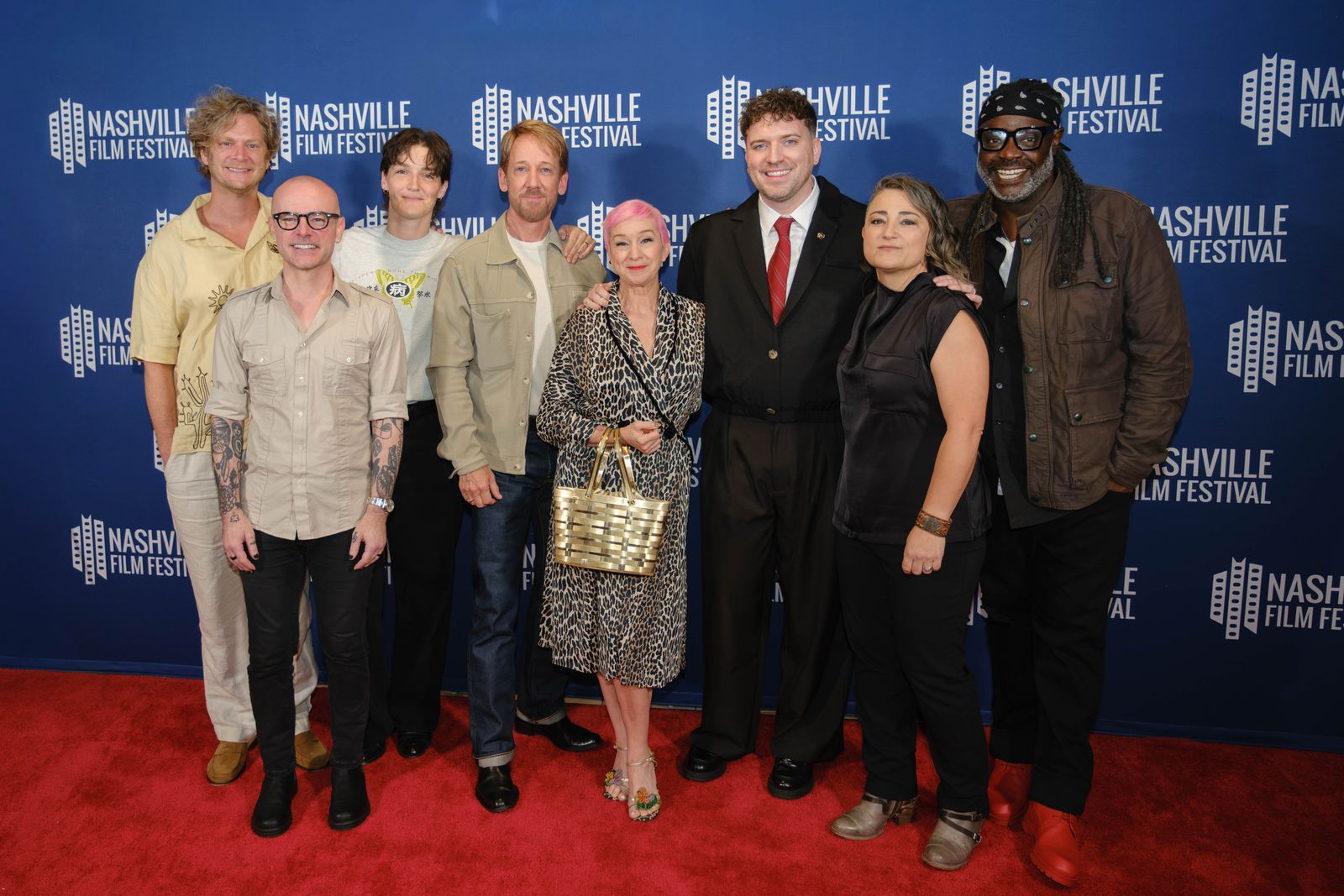
(Credit: Greener Grass PR)
- About the Author
- Latest Posts

Senior Editor at Good Faith Media.