

We love stories of people dying well. They allow us to slow down and identify what truly matters in life. They invite us to live the next few minutes of our lives as if they are our last, because they just may be.
Yet how do we talk about those who were given a prognosis and didn’t live out the rest of their days smelling the roses and making amends? Can we tell that story in such a way that honors their memory, recognizes how past trauma intermingled with the anguish of illness can lead to bad behavior, while, at the same time, being honest about the harm they caused in their dying days?

Phil Madeira
Phil Madeira has wrestled with those questions for almost a decade after his romantic partner of nine years was diagnosed with cancer and given a prognosis of six months to ten years. In his latest book, Summer of Gone, he shares how he became her final scapegoat, bearing the blame for her cancer and the acrimony she reserved in her final days for everyone except a small circle of friends.
During a recent conversation in Nashville, Madeira and I talked about his process of writing the book and the community that carried him through this difficult season. He told me he wrote about half the book shortly after her death, before deciding to throw it away.
“I had been censored so much during her illness,” he told me. “I wasn’t allowed to communicate anything about her cancer, and I also chose not to defend myself while she was alive. People are going to believe what they want to believe, and I think when you protest, that seals the deal for them in terms of whatever it is they want to think.”
Shortly after she was given a difficult-to-predict prognosis, Madeira’s partner quickly went to work shaping the narrative of their relationship, which Madeira realized later had already been on the rocks for some time. After committing much of his side of the story to the page, he discarded it because it was too raw.
“I had this thought, ‘Get rid of it,’” he said. “And I needed to because all I could see in it was outrage.”
In 2020, the joy of a new and healthy relationship gave him what he needed to soften the edges of the story and see Mara with more compassionate eyes. That compassion comes through in the book, but not at the expense of letting her off the hook.
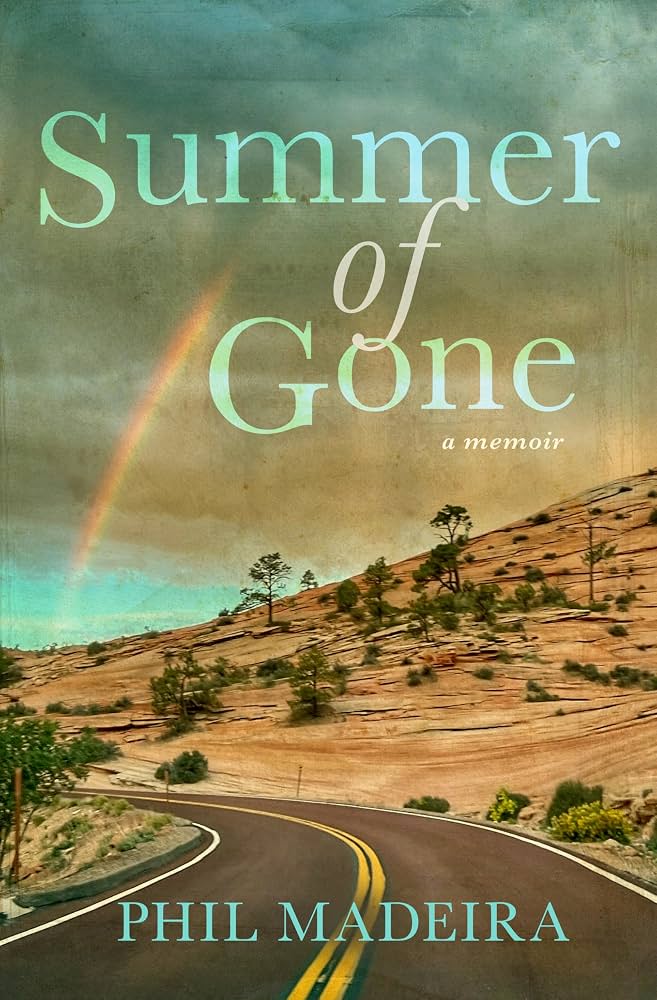
‘Summer of Gone’ by Phil Madeira
“This is a good moment to introduce a bit of helpful information,” Madeira wrote early in Summer of Gone. “Mara was an inspiring person, a good storyteller, and a wordsmith, but when her particular narrative was threatened, she became a war strategist.”
Part of her strategy included forbidding Madeira from telling anyone about her sickness, even their closest friends. This allowed her to retain sole control over not just the narrative surrounding her illness, which she had every right to, but also over the details of their crumbling relationship.
One of the most compelling threads in Summer of Gone is the comfort Madeira found in his work and community. As a veteran of the Nashville music scene, he threw himself into the music he was creating as a singer-songwriter, producer, and longtime member of the Red Dirt Boys, Emmylou Harris’ traveling band.
The music healed him. So did small moments of redemption.
After an especially moving scene that depicted a slow thawing of a cold relationship, Madeira reflected on the idea of redemption:
“Redemption happens. It’s in the wind; it’s in our story; it’s The Story, and when you witness it occurring, you know it. But redemption is always a choice. It may be in the wind, but if I don’t unfurl my sail, the wind won’t take me anywhere.”
“The Story” is a theme that Phil Madeira weaves in and out of his music, books, and conversation. In our conversation about Summer of Gone, we returned to the idea of being “Christ haunted,” which we discussed a year earlier when I interviewed him about his song “Lesson of Love.”
The phrase, often used in the context of the great Southern writer Flannery O’Connor, describes how hard it is for anyone in the South to tell a story without a theological undercurrent. Madeira isn’t a Southerner by birth and, although he occasionally attends Episcopal services, considers his friends his “church.” But he’s been around long enough to know that healing and light only occur in the context of sickness and darkness, and he is among the best at telling that story.
Summer of Gone was released in August by W. Brand Publishing and is available for purchase here. More information on Phil Madeira, including details about his songwriting workshops and his latest album, The Millionth Mile, is available at philmadeira.net.
- About the Author
- Latest Posts

Senior Editor at Good Faith Media.