
In a sermon from July, Foundations for Nations Church co-pastor Sarah Lucas called the Arapaho spiritual practice of the Sun Dance “idol worship.” She went on to declare, “Jesus is the chain breaker. He is the only God that we should be praying to.”
The Riverton, Wyoming, church’s website declares: “Foundations for Nations is a multi-cultural, multi-generational church made up of people from different backgrounds. Our desire is to see each person have a relationship with God, be ignited to reach people with the good news about Jesus, and work together to impact communities.”
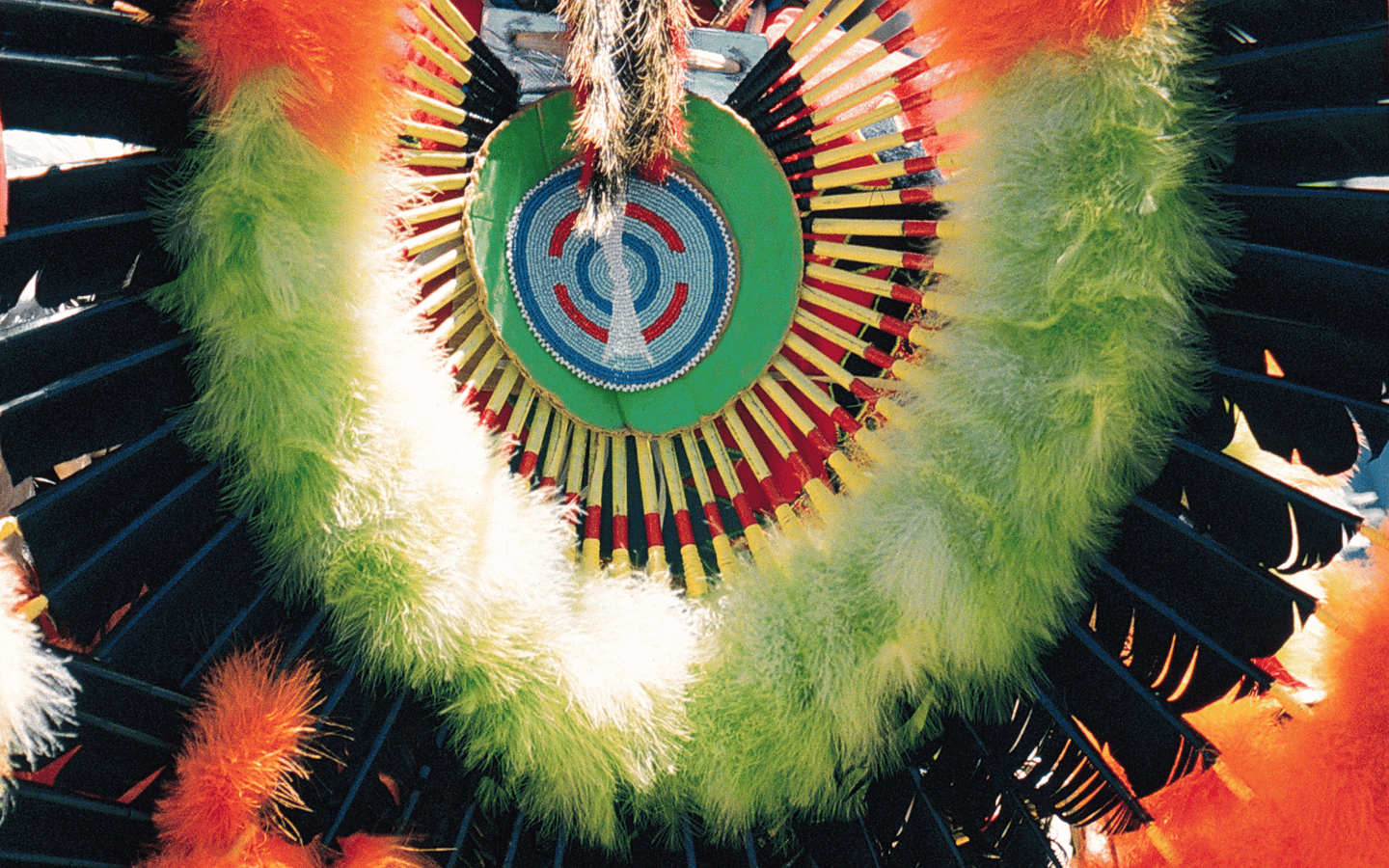
The Sun Dance is sacred to both the Northern Arapaho and Eastern Shoshone Tribes who share the Wind River Reservation where the church is located. According to Indigenous scholars, “The Sun Dance is the most sacred ritual of Plains Indians, a ceremony of renewal and cleansing for the tribe and the earth.”
Other churches, such as the Catholic and Episcopal traditions, on the reservation have attempted to incorporate Indigenous traditions and ceremonies into Christian worship. Michael McNally, a professor of religious studies at Carleton College in Minnesota, remarked on this trend, “It’s an irony of colonialism, the degree to which Native people have remade Christianity according to their own values.”
Lucas and Foundations for Nations Church have rejected incorporating Indigenous traditions, instead defining them outside orthodoxy and rejecting them as idol worship.
The pastor’s comment and denouncement have caused outrage.
Lucas and her husband and co-pastor, Jason, are not Arapaho or Shoshone, but own the land where the church is located. The tribes want her off reservation lands, but Lucas says she is not going anywhere and claims her remarks are protected under the First Amendment of the U.S. Constitution.
I find it rich that Lucas uses the U.S. Constitution as an argument for claiming her divine right to subjugate Native Americans to her presence and rhetoric on reservation lands. What most Americans don’t know or care to know is that the federal government never truly transferred land ownership to any tribe. Using the heretical Doctrine of Discovery, the U.S. Supreme Court declared in Johnson v. M’Intosh (1823) that Native Americans could not own lands in the United States.
Even when Native Americans were given land on reservations, they did not necessarily “own” the land. The U.S. government held it in trust. It’s still that way today, even though some tribes do own some small parcels of land.
When Southeastern Tribes were brought to Oklahoma after the Indian Removal Act of 1830 and then given allotment lands during the Dawes Rolls, they were assigned custodians to manage their lands and money. They could not even buy groceries without asking permission from a white man. When oil was discovered in Oklahoma, many Native Americans were swindled out of their lands or even killed.
Laying land disputes aside, let’s return to the pastor’s comments about idol worship.
Idol worship was a big concern among Hebrew, Jewish, and Christian cultures. The first commandments in Exodus 20 read, “You shall have no other gods before me. You shall not make for yourself an image in the form of anything in heaven or on earth beneath or in the water below. You shall not bow down to them or worship them.” While these words make sense for strict monotheism, the cultures that tried to practice them seemed flexible when it suited their purposes.
Yahweh did not want to be bound by a temple, but the Hebrews insisted. The Jews went further, restricting Yahweh to the Holy of Holies, then to the Torah. Finally, Christians declared Jesus divine, later forming the Trinity.
While we don’t necessarily think of these practices as idol worship, we would be missing something if we didn’t consider them at least. We have to admit they diverged from strict monotheism.
When we boil faith down to its purest form, what is left? Love. Nothing more. Nothing less.
God is love, after all.
Anything outside love is idol worship. So, when Evangelical Christians try to convince me that Native American traditions based upon purification and renewal are idol worship, I scoff at their hypocrisy.
It’s been my experience that Evangelical Christians are often the worst at idol worship, often worshipping in lavish sanctuaries while people go unhoused and hungry outside their doors. They talk a lot about love, but their love often feels like hate.
They champion their religious freedom while suppressing that of others. They demand their own rights, but not those same rights for others.
The more I think about pastor Lucas’ sermon on idol worship, the more I am starting to agree with her, but not about the Arapaho. I believe Evangelical Christians are guilty of idol worship.
- About the Author
- Latest Posts

CEO of Good Faith Media.