
Editor’s Note: The following first appeared in the April-June 2026 issue of Good Faith Magazine.
Even now, with congregational life rapidly changing, food remains an essential part of the church’s culture. But back in the day, when church cooking was a competitive sport, a hierarchy existed in the church kitchen that everyone would have been foolish to ignore.
Aside from the nursery, the hospitality committee was the only place where women held absolute sway, and they guarded it with a sacred pride. I mean, after all, they were the caretakers of the silver (even if silver-plated) punch bowls, trays, and chafing dishes.
The “Kitchen Ladies” were in charge of the homecoming meal, baby and bridal showers, and the solemn family meal after a funeral. They not only had to make sure the linens were clean and pressed, but also needed to know who to ask to bring what to each event.
Only at homecoming was there enough food that the menu was left to chance. Even then, whispered conversations ran up and down the serving table about who brought which casserole or dessert. Everyone knew what the crazy cat lady brought and how to take just enough to not hurt her feelings, but not so much that it would ruin the rest of the food on your Dixie paper plate.
I am pretty sure that unless someone had a wife on the hospitality committee or was on the staff of a church, most men did not know the drama surrounding the politics of food in church kitchens. But we girls knew. We heard about it from our grandmas, mamas, and aunts. We understood the hierarchy and what would set certain people off.
More than one meal was interrupted by a purse being slung over someone’s shoulder and watching them turn and walk out the door. Yet, somehow, it all seemed to work out. The next time someone had something to grieve or celebrate, the hospitality committee was there to prepare and serve their neighbors and friends.
The committee’s success wasn’t just because the kitchen was their domain; it was because they actually did something tangible. They had a clear mission: feed people and make it pretty. In doing so, they allowed the church to talk to one another and build community.
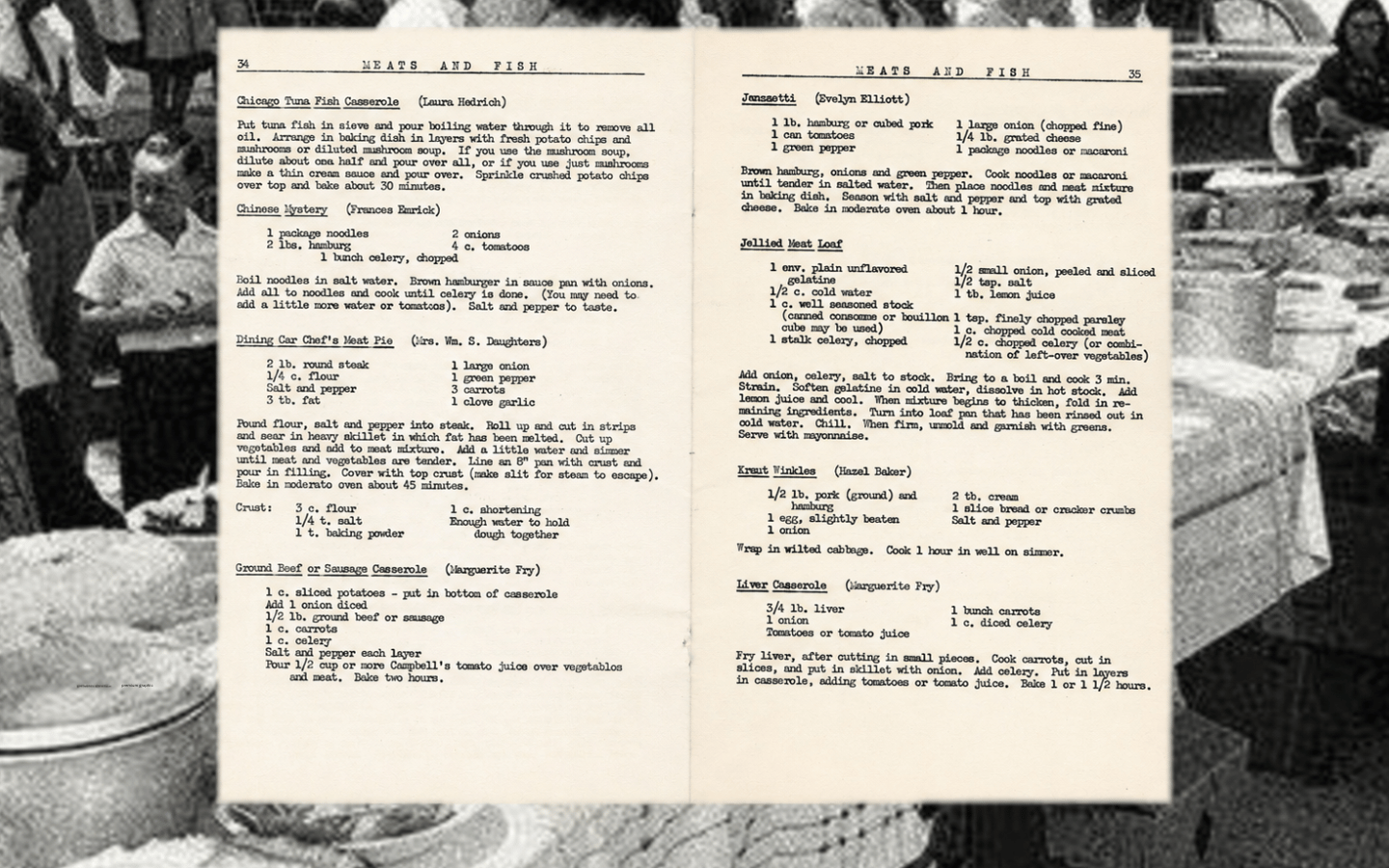
While they cleaned the kitchen, they shared stories — things they had nowhere else to share — and swapped recipes, lots of recipes. Every decade or so, they decided to include those recipes in a fundraising cookbook, which rarely turned a profit but made their names and recipes immortal. When I cook Mary Lewis’s Hamburger Quiche from the First Baptist Church’s 1978 cookbook, I remember teaching with her, and I smile.
Breaking bread together is a calling. Now women serve as deacons, ministers, and finance chairs. As they leave those meetings, they wonder what they accomplished.
Maybe if men and women signed up to bring a dessert to the meeting, we would remember why we came and who we serve in those gatherings. We could leave with a different taste in our mouths. It can’t hurt.
Just know that on the nights the women are in charge, there will probably be matching plates and napkins.
- About the Author
- Latest Posts

Retired campus minister, campus ministry coordinator for the Cooperative Baptist Fellowship of North Carolina, and Collegiate Specialist for the Cooperative Baptist Fellowship.