
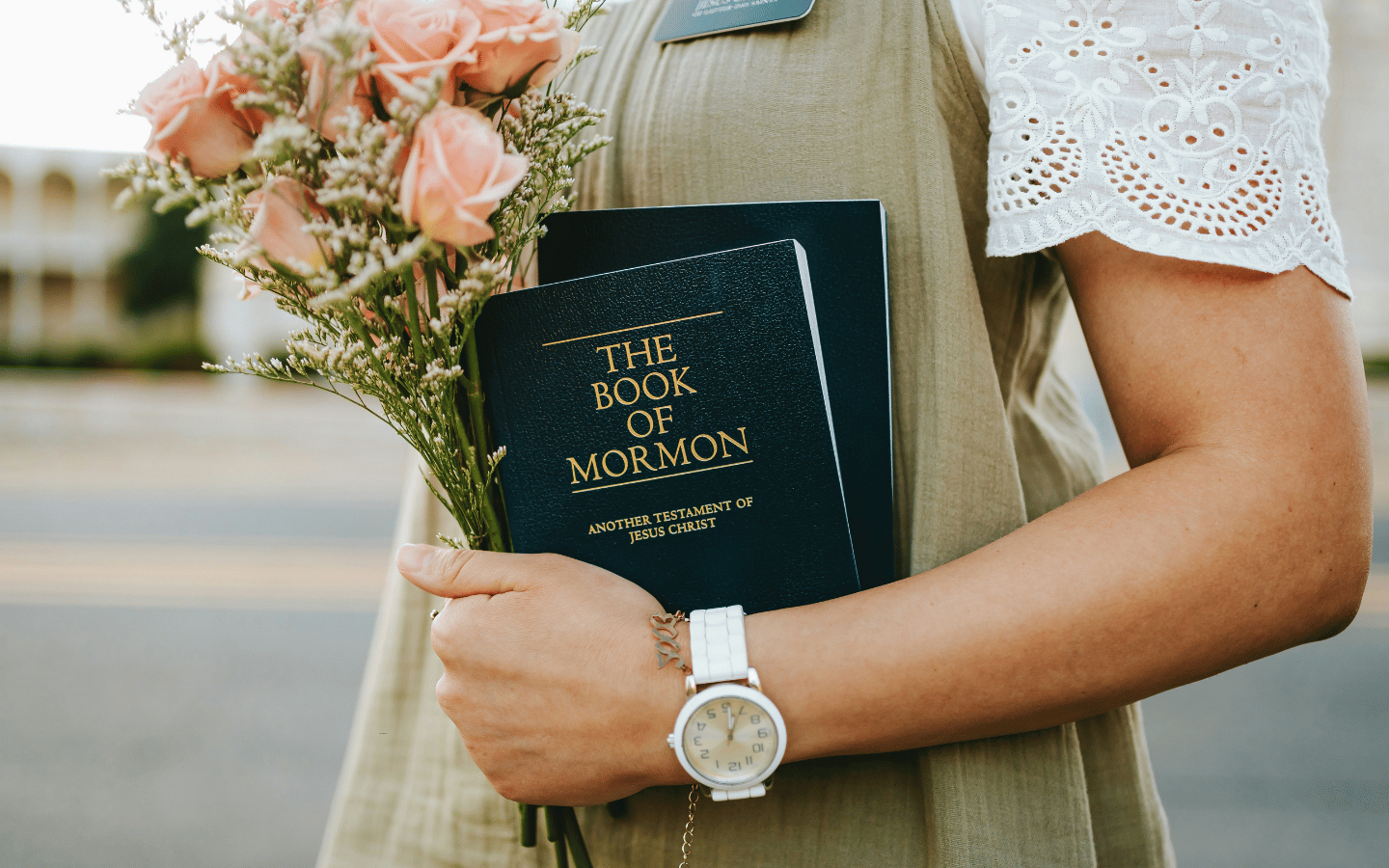
Many of us who grew up in evangelical churches went to Sunday school classes in rooms with a poster on the wall titled “Christianity, Cults & the Occult.” The wall chart listed various religious traditions and placed them in categories that essentially described which ones would get you to heaven (Christianity), which would land you in hell but seemed nice (Cults), and which would get you to hell but were also really scary (the Occult). Among those in the cult category were Scientology, Jehovah’s Witnesses and Latter-day Saints (Mormons).
With the exception of a window of time in the 1980s known as the “Satanic Panic,” we were trained to believe that cults were actually more dangerous than the Occult because cults would often masquerade as “true” Christianity. Topping the list of those “sneaky religions” we needed to be on guard against were Jehovah’s Witnesses and Mormons.
The evangelical belief that Mormon teaching falls outside Christian orthodoxy held strong until 2012, when suddenly, out of nowhere, the Church of Jesus Christ of Latter-day Saints (LDS) fell off the “cult” lists on Sunday school walls. I can’t be certain, but like many other observers, I suspect the Republican Party nominating Mitt Romney, a Mormon, as its presidential candidate may have had something to do with this reversal.
Given a choice between voting for a Black man or a cult member, Christian conservatives chose neither. Instead, they moved an entire religion from the “cult” to the “Christian” column and went about their day.
(In retrospect, this should have been a sign as to the lengths many evangelicals will go to bend their theological messaging to suit their political goals.)
Shifting Lists
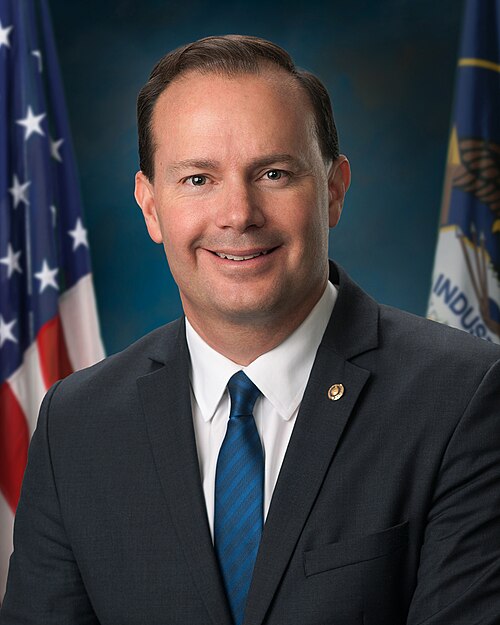
Senator Mike Lee
Given all this, I was unsurprised when, late last week, I was researching for a news story about how the Defense Department has drastically reduced the number of religious groups it codes for the military’s chaplaincy ranks and discovered that LDS was given its own category separate from others that were explicitly labeled “Christian.” It seems the department led by Pete Hegseth, whose pastor is a self-described Christian nationalist theocrat, has pushed Mormonism back into the “cult” column.
The move didn’t escape the notice of Utah Sen. Mike Lee, who is both a staunch MAGA supporter of President Trump and a Mormon. In a post on X, Lee asked, “Can anyone tell me why The Church of Jesus Christ of Latter-day Saints was left out of the list of Christian churches?”
It can’t be the first time Lee has encountered the reality of what people like Hegseth believe about the fate of his eternal soul. Still, he spent the better part of a weekend on social media fighting against the perception that LDS isn’t Christian and calling on the Defense Department to categorize Mormonism as such.
Given Lee’s close ties to President Trump, coupled with Trump’s lack of interest in religious matters, it wouldn’t be surprising to see his efforts prove successful. The fact that the new list places Jehovah’s Witnesses and Christian Scientists under the “Christian” category will give Hegseth an out to claim it was an oversight.
Keeping the Gate
Their challenge, however, is that the story has reignited conversations among many conservative Christians over Mormonism’s place within the faith. Allie Beth Stuckey, an evangelical podcaster who sees herself as an evangelical gatekeeper, took a break this weekend from her racist posts about the Karmelo Anthony case to respond to Lee’s question as to why LDS was left off the DOD’s list of Christianity-coded faith groups.
“Because, unlike every Christian denomination, Mormonism rejects the triune God,” she wrote.
If Lee is successful and the LDS is given the tag “Christian,” Stuckey and her band of fundamentalists will fall in line behind Hegseth, as they always do. But not before furrowing their eyebrows and raising a stink.
Whether the exclusion of Mormonism from the list of Christian groups was intentional or not is beside the point. Reducing, rather than expanding, the number of faith traditions that have their own special category within the Chaplain Corps is a theological move, regardless of how Hegseth has attempted to spin it as an administrative one.
The danger of Christian nationalism, and all other forms of sectarian influence over government, is that it can use the public relations levers of bureaucracy—“streamlining for efficiency”—to mask its efforts to create a state religion, one seemingly benign administrative move at a time.
Sadly, many like Mike Lee, who aid and abet these efforts, will discover too late that they were never going to be included in the first place.
- About the Author
- Latest Posts

Senior Editor at Good Faith Media.