
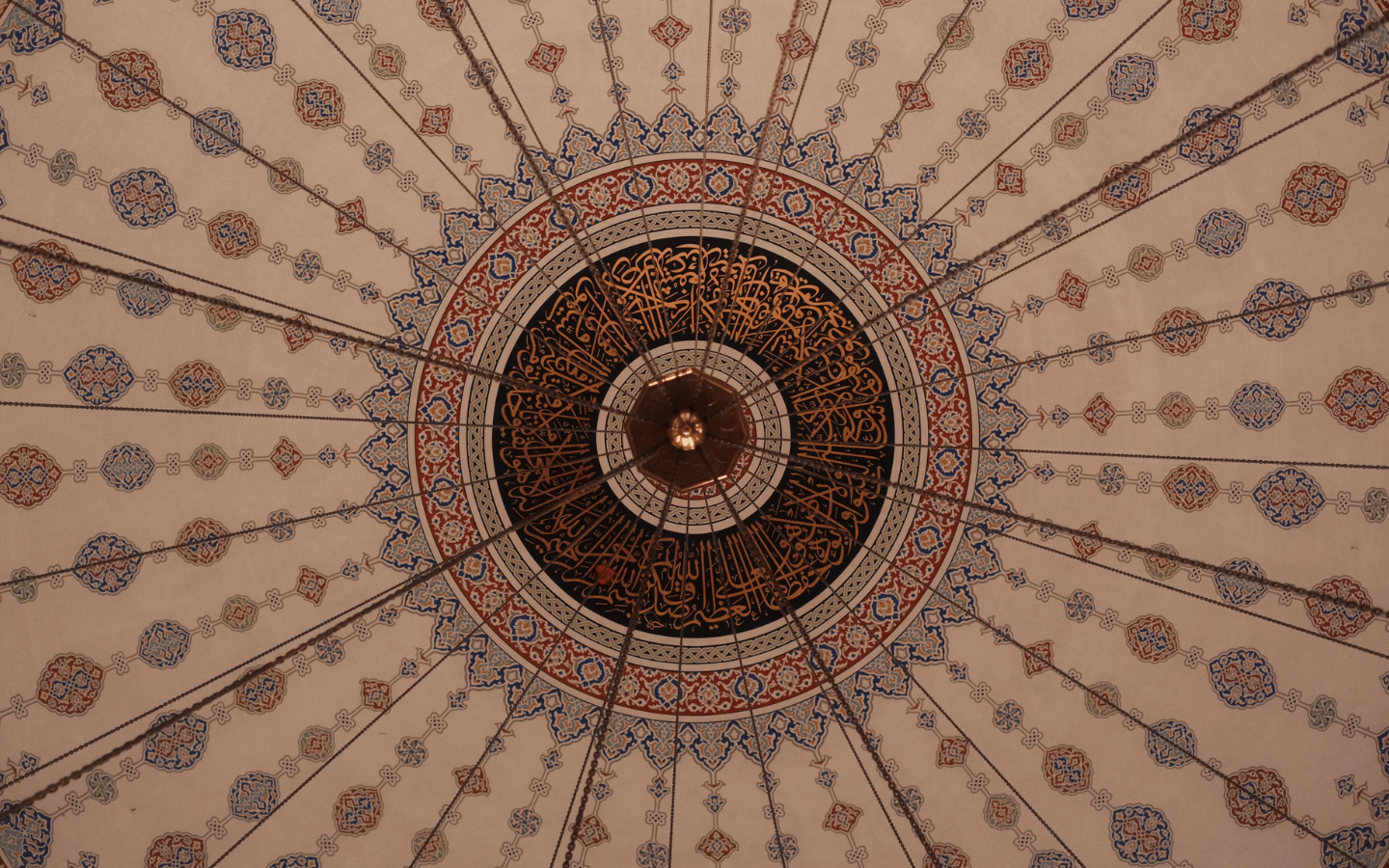
A lawsuit brought by the Council on American-Islamic Relations (CAIR) and the Islamic Society of Tulsa (IST) against the city of Broken Arrow, Oklahoma, highlights other efforts to limit the construction, expansion, and renovation of buildings for religious use, particularly against Islamic organizations. The case alleges that the city of Broken Arrow violated IST’s First Amendment rights when it denied IST’s rezoning application to construct a mosque on land that it has owned for over a decade. The application also included plans for a food pantry and medical clinic.
The Broken Arrow case, like other similar ones around the country, appeals to the Religious Land Use and Institutionalized Persons Act (RLUIPA).
RLUIPA was passed in 2000 to protect the religious rights of individuals held in government-run facilities, and to shield religious institutions from discrimination in zoning and landmarking laws.
Other recent RLUIPA cases involving Muslim communities include the denial of permits for the building of mosques in Sayreville, New Jersey, and Oyster Bay, New York. In each of those cases, the Trump administration’s Justice Department has expressed interest in investigating and has shown general support for religious claimants.
It has reserved its most activist posture, however, for RLUIPA cases involving Christian communities.
In May 2025, the Justice Department filed its own RLUIPA lawsuit against the city of Troy, Idaho, for denying a permit to Christ Church for a downtown worship space. It alleges the denial was due to hostility against Doug Wilson, the church’s senior pastor, who is a self-proclaimed Christian theocrat. Wilson is also known for being a spiritual influence on Secretary of Defense Pete Hegseth.
The Justice Department has expressed interest in other zoning cases involving Christian congregations, including in Chatham County, North Carolina; Clarion, Pennsylvania; and Santa Ana, California.
In the Broken Arrow case, leaders at CAIR are encouraging the city to resolve the case before litigation goes any further. “City officials made a serious mistake here, but it isn’t too late for Broken Arrow to change course,” said Gadeir Abbas, deputy litigation director at the CAIR Legal Defense Fund, at a recent press conference. “Rather than embroil Broken Arrow in litigation it is sure to lose, we urge city officials to come to the table and settle this through dialogue and good-faith negotiations.”
These RLUIPA cases are emerging amid broader concerns about anti-Muslim bias in the nation. This week, a Senate Judiciary subcommittee is set to host a hearing titled “Hidden in Plain Sight: Confronting the Muslim Brotherhood Network in America.” The hearing is expected to exploit fears of Sharia law making inroads into the United States. A similar hearing occurred in the House of Representatives in May and was criticized by Democratic lawmakers.
Interfaith Alliance, a pro-democracy network of diverse faith leaders, has called on Sen. Ted Cruz to cancel the hearing and is encouraging lawmakers to boycott it if it goes forward.
- About the Author
- Latest Posts

Senior Editor at Good Faith Media.