

There are so many extraneous activities associated with Christmas, such as shopping for and wrapping gifts, and adorning our homes and neighborhoods with lights and evergreens. The season is full of gatherings, meals, parties and celebrations, leaving many feeling as though they are running from one event to the next.
Amid the hustle and bustle, the pace can feel overwhelming. Malls teem with crowds, parking spaces disappear, and online shopping consumes our attention. Our calendars fill quickly, leaving little room to breathe or reflect.
In the midst of all this busyness, we can lose sight of the sacred mystery at the heart of Christmas. With such hectic schedules, it is easy to forget why we do any of it in the first place.
In many parts of the world, Christmas has evolved into a commercial holiday marked by overconsumption, often without any recognition of why it is celebrated at all. We forget this is a sacred time of worship, as the name itself suggests— “Christ’s Mass.” It is a holy celebration of the incarnation of Christ, who entered the world to share light, love, joy and peace.
Christmas marks the birth of Christ into a broken world longing for liberation. God draws near in hidden and forgotten places, choosing to dwell where divine love brings hope into the world.
The people of first-century Palestine lived under the harsh rule of the Roman Empire, which fostered economic disparity and political violence and marginalized entire communities. Into this broken and despairing world, Jesus was born.
We often forget the radical nature of Christ’s coming. Jesus did not enter the world to reinforce systems of power; he came to challenge them.
He overturned tables in the temple, called the rich to give, and proclaimed good news to the poor and forsaken. His message did not side with the powerful, but with the lowly, the poor, and the oppressed.
Today, Jesus’ gospel does not align with Christian nationalism or white supremacy, but with liberation for refugees and those on the margins. His ministry centered on the excluded, not on rulers or empires.
Too often, the message of Christmas is co-opted by wealth, consumption, and commercialization. Instead of celebrating Christ’s call to justice, compassion, and liberation, we find ourselves swept into a season driven by greed and excess. As a result, we lose the heart of Christmas.
In such a time, we must reclaim the purpose of the Christmas season by returning to Jesus’ message. He calls us to love not only those we like, but even our enemies. This kind of love requires intention and action, compelling us to care for our neighbors—including those who are different from us or difficult for us to understand.
We are also called to be peacemakers. Peace is not merely the absence of conflict, but the active work of reconciliation and repair.
In a world marked by political polarization, this call is more urgent than ever. Christ invites us to embody peace in our homes, workplaces, communities and churches, and to work together to build peace around the globe.
Jesus reminds us to care for “the least of these,” and our faith compels us to stand in solidarity with those on the margins. Acts of compassion are sacred and form the building blocks of the kin-dom of God—a world shaped by justice, equity and hope.
When we embrace this message, Christmas becomes more than a season; it becomes a way of life.
It is not about shopping, decorating, or social gatherings, but about worshiping Christ and living out his message every day and in every way.
The joy we encounter at Christmas is not dependent on material gifts, but is a deep, lasting joy rooted in gratitude, compassion and God’s transformative presence in the world. This is the joy that carried Mary and Joseph, sustained the early followers of Jesus, and continues to sustain us today.
As we celebrate the birth of Christ, may we live out his message by caring for “the least of these.” May the meaning of Christmas extend far beyond December 25, guiding us with hope and love into the new year.
- About the Author
- Latest Posts
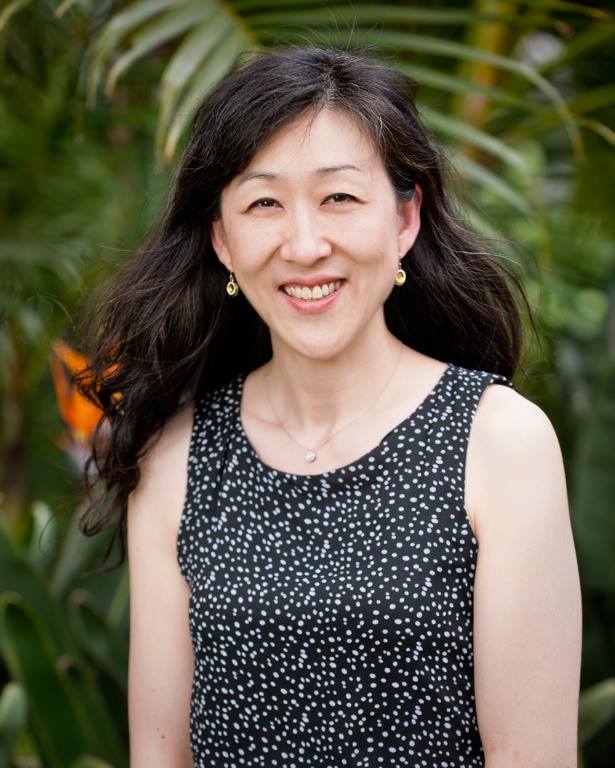
Grace Ji-Sun Kim (Ph.D. University of St. Michael’s College) was born in Korea, educated in Canada and now teaches in the USA as Professor of Theology at Earlham School of Religion, Richmond, Indiana. She is the author or editor of 26 books, most recently, Earthbound: God at the Intersection of Climate and Justice.
Kim is the host of Madang podcast which is sponsored by the Christian Century. She blogs on her substack: Loving Life: Loving Life and has written for Huffington Post, The Nation, Sojourners, Baptist News Global, Faith and Leadership and TIME. Kim has appeared on MSNBC, PBS and C-Span. She has been a guest on BBC Radio, Soul Search Radio, WBEZ Radio, and Keep Hope Alive Radio. She is an ordained PC(USA) minister and enjoys being a guest preacher on most Sundays.