
The news cycle is perpetually drawing us toward the next crisis. Its haste doesn’t allow us the time we need to reflect.
It takes me longer than a 24-hour news cycle to meditate on the words spoken, challenge my preconceived ideas and gather research to support my thesis on a given topic. This year’s National Prayer Breakfast on February 5 gave me such pause.
Weeks later, and deep into Lent, I have clarified my thoughts. The King of Kings draws us nearer to the cross, away from empire, and yet we have another hour-and-45-minute speech given by the president at the State of the Union—calling the U.S. the “hottest” country on earth—to unravel.
Simpler Times
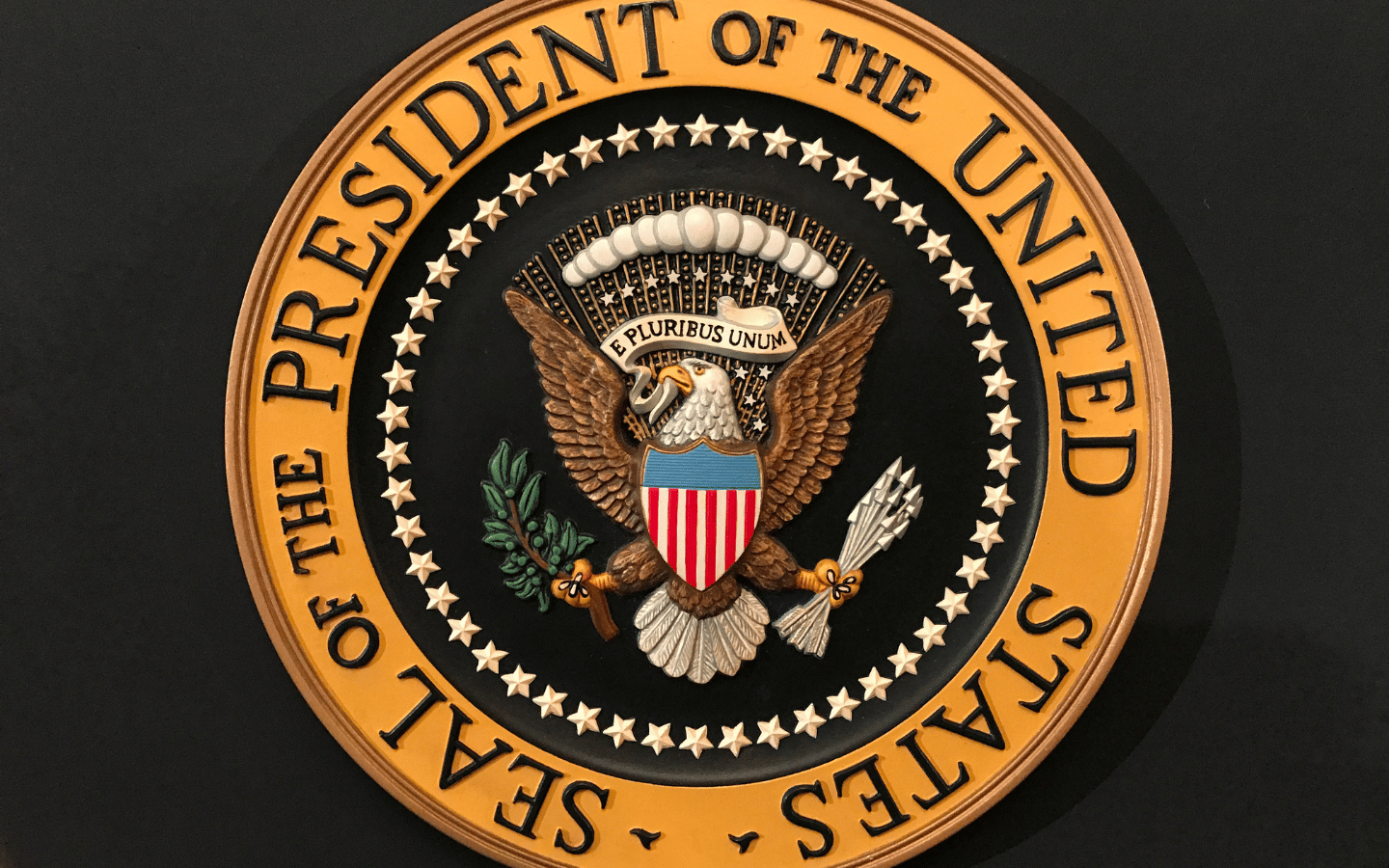
I can remember when we canceled a politician for misspelling “potato.” That now seems far too harsh a punishment for a presidential hopeful when the president of the United States stands at the National Prayer Breakfast—an event meant to give Congress the opportunity to pray collectively for the nation, the president and world leaders in a spirit of love and reconciliation—and instead tears apart his political opponents, lacing grievances with cutting insults and boasting.
Perhaps we, the American people, no longer remember the words presidents once spoke to encourage faith, humility and cooperation. Perhaps our amnesia reflects a moment when questioning authority is treated as a betrayal and when the commander-in-chief promises revenge. Even those closest to power seem content to applaud rather than challenge and to flatter the president rather than offer the kind of wisdom that could strengthen the nation.
There was a time when the National Prayer Breakfast symbolized hope, compassion and the shared work of people of faith. There was a time when presidents spoke with humility, acknowledging they were neither omnipotent nor omniscient. There was a time when leaders gathered not to elevate themselves but to reflect and pray that we might become a better nation.
The gathering was never meant to be another stage for power but a pause from political jockeying. It was time set aside for leaders to remember their limits before God and one another.
At its best, it calls those in authority to accountability and humility, drawing on shared convictions across faith traditions. Its strength isn’t found in performance but in a quiet call to moral responsibility and cooperation. It is a reminder that true leadership does not arise through domination but through service.
In 2013, President Obama reminded the nation that faith is not a possession but a process, cultivated through humility and self-examination. In 2001, President George W. Bush spoke of a faith that teaches humility, sustains in both success and disappointment, and calls us to a purpose deeper than ambition and hopes greater than success. Their words pointed beyond politics toward moral responsibility.
Instead of unity, humility or purposes greater than success, today we are offered division, grievance and self-exaltation. The current occupant of the White House speaks frequently of his own greatness while diminishing others, turning moments meant for reflection into a platform for spectacle:
“He voted — no matter what we do, this moron, no matter what it is. We could put them all together. I think, Mike, what would you say the top five things — name them — we’ll put them in one bill and we’ll put them before, we’ll get 100 percent vote, except for this guy named Thomas Massie. There’s something wrong with him… They love voting no. They think it’s good politically. The guy’s polling at about nine percent. It’s not good, but we have great support and we have great support for religion. You know, I’ve done more for religion than any other president.”
In remarks more than 75 minutes long, he rambled about his first term, Pam Bondi, coal and Pete Hegseth. He called Biden the worst president ever, insulted Europe, called the president of El Salvador—who has committed well-documented human rights violations—one of his favorite people, and attacked Democrats, saying, “I don’t know how a person of faith can vote for a Democrat. I really don’t.”
He took the opportunity to brag about his “big ego,” praise his wife’s new film, and claim that he “brought back Christmas” by dropping missiles on Christmas Day. His ramblings serve as a reminder that he appears to say whatever he wants, whenever he wants, whether or not the words are befitting of the presidential office.
In June, he nonchalantly dropped the F-bomb at a press conference: “We basically have two countries that have been fighting so long and so hard that they don’t know what the f—k they’re doing.” We might be tempted to dismiss such language as a slip, but it has become part of the public tone. He once said of Venezuela’s President Maduro that he “doesn’t want to f—k around with the United States.”
The Lament of Lent
What do we do between expletives when we no longer recognize the moral landscape around us? One biblical image refuses to leave my mind.
As Jesus approached Jerusalem on the first Palm Sunday, he looked over the city and wept. Jesus wept not for himself but for a people trapped in a cycle of pride, violence and hollow leadership. While the crowds celebrated power and the hope of a king riding to victory, he mourned a nation losing its soul and its ability to see what makes for peace.
The people waving their palms cried out, “Hosanna” (“Please, save us!”), longing for rescue but mistaking power for peace. The crowds expected triumph, the defeat of enemies and a return to former strength.
But Jesus didn’t come to “Make Jerusalem Great Again” or to trade humility for spectacle. He came bearing tears instead of slogans to reveal salvation rooted in the humility of mercy and peace.
It’s hard not to wonder what he would see if he looked upon us now.
Understand this: I am not a prude, and a well-timed swear can carry a certain gravitas. But that’s just it; words still matter. Character still matters. Truth still matters.
Dan Quayle might like a word. And I suspect Jesus still weeps.
- About the Author
- Latest Posts
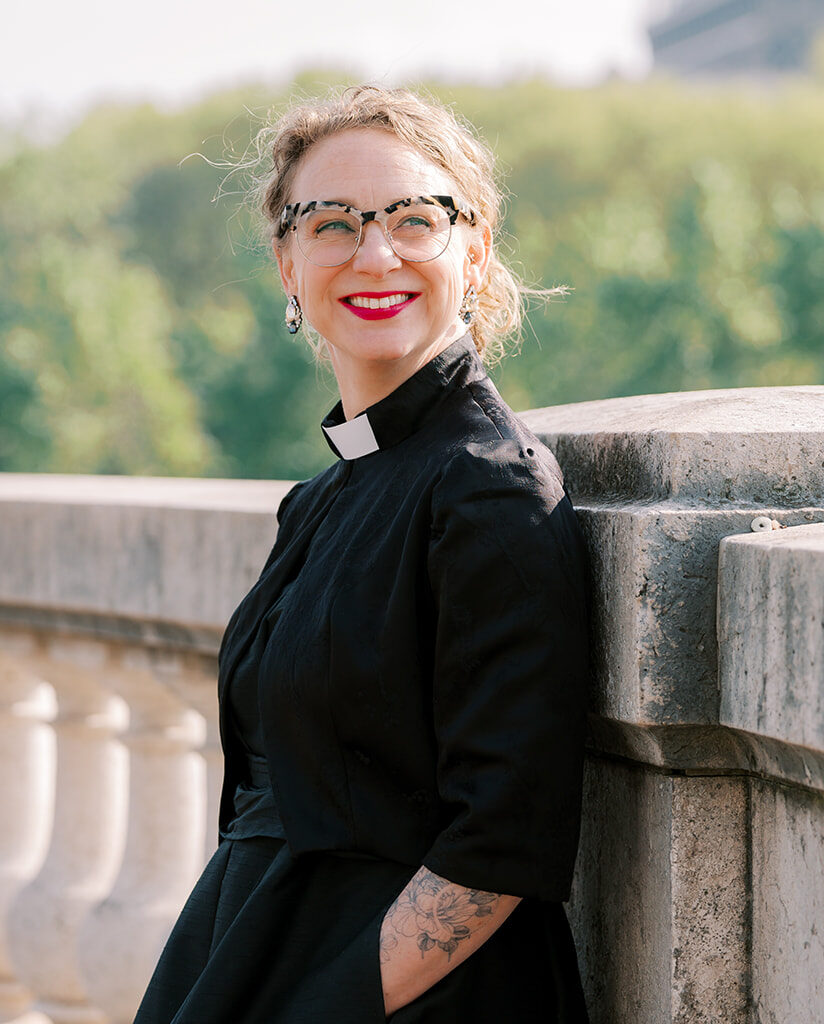
Rev. Michelle Wahila is an ordained PCUSA pastor, founder of Ruffled by Grace, and sought-after officiant and retreat leader. She creates heartfelt celebrations and soulful experiences that blend tradition with imagination. Now living in a 19th-century farmhouse in rural France with her family and a menagerie of pets, she enjoys gardening, making jam, and savoring a good cup of coffee.