
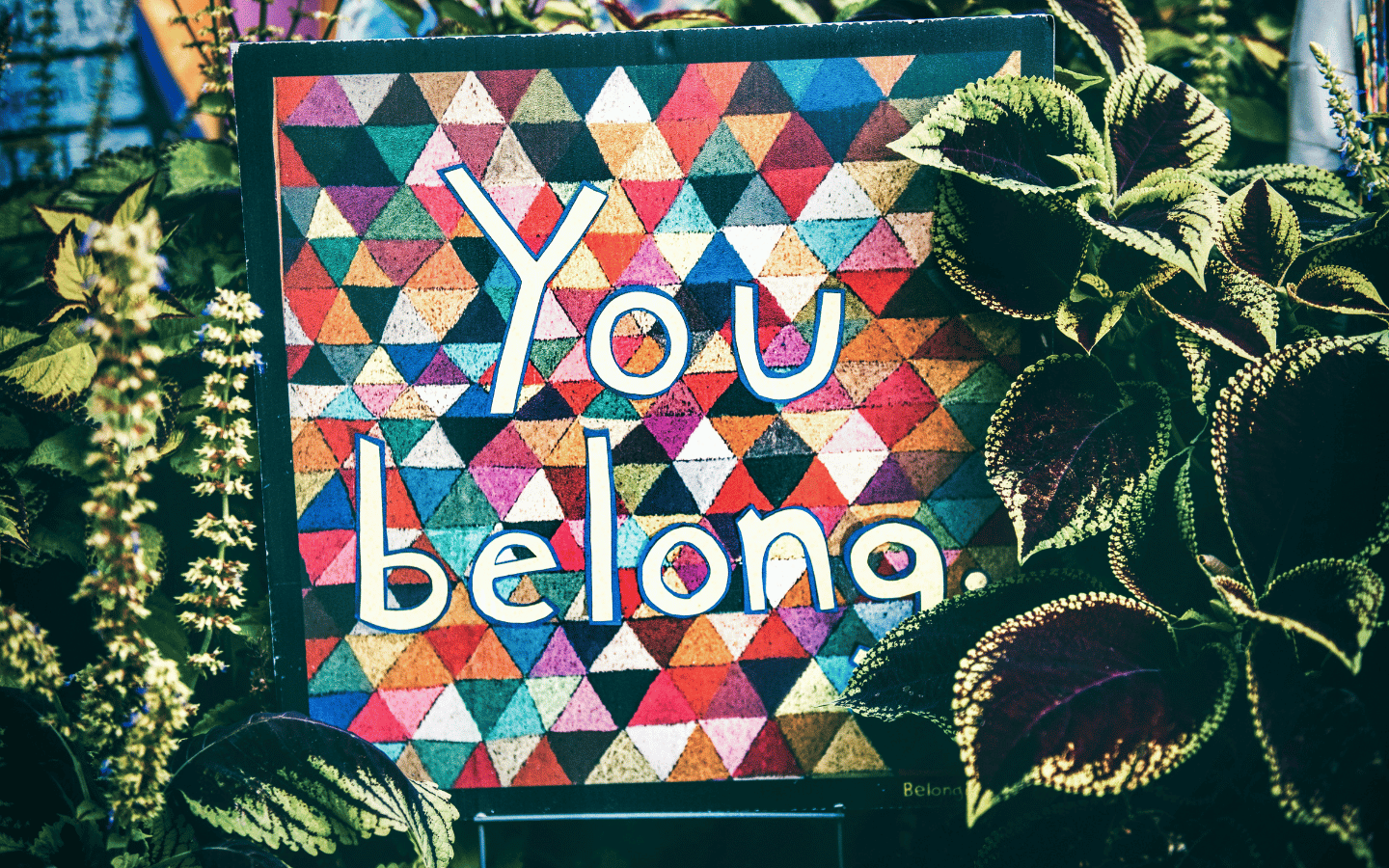
Awakening my brain is not like waking up because my body tells me it’s time to get up. I am not, nor have I ever been, suspected of having ADHD. However, when I lie down at night, my brain goes off the leash and gets loose to play. So this morning, I was nudged back into the real world from a state of dreaming and my brain had thoughts.
As I suspected, the lifetime attempted suicide rate for the LGBTQ+ population in the United States is significantly higher than in Europe and Scandinavia. Wondering why is not a great intellectual challenge. It is not a complex puzzle requiring hours of contemplation and research. Research only confirms what I already suspected.
Last night before bed, I was reading about fourteen behavioral changes in hummingbirds preparing to migrate. Everything I have learned about these tiny creatures—which use two feeders at my house, one in the front and one in the back—explains so much.
Every hummingbird is functionally orphaned shortly after birth. They live solitary lives, are fiercely territorial, and defend their feeders by chasing off rivals—until the pre-migration phase sets in.
Yesterday, I observed four hummingbirds sharing a feeder. This surprising turn of events marks a biological shift from threat recognition to survival preparation.
Back to us humans. Can you imagine coming into this world and being left entirely on your own to survive an entire lifespan without human connection?
As a therapist who has worked mostly with adults for over 23 years, I can tell you that such a situation—if it existed, and tragically, in some forms, it does—would be impossible to navigate. For that reason, I have never met an adult who told me, “I was abandoned at birth, grew up without any human contact, and sit before you today as a survivor.”
Why that has never happened—and likely never will—is simple: Each of us is born into a community and that community is essential for our survival. This is why neglectful or unloving parents are often replaced by foster or adoptive parents. Or, if unloving parents provide physical necessities, the child still grows up with a profound hunger for connection.
So, what does this have to do with the LGBTQ+ community? A lot.
I have not been able to wash these high suicide attempt rates from my mind or heart. Perhaps it is because I have sat with individuals anguishing over their sexuality and the foreboding sense of what lies ahead.
Perhaps it is the sense that something was placed inside them that was not of their making. Or perhaps it is the harsh reality of how hard they will struggle beyond my office walls to find their place and build connections in this world.
And then I think of Jesus and his parable of the sheep and the goats at the end of the age. Every single commendation was weighted with meaning and power. Every action he commended was a profound endorsement of compassionate living—marks of the character of Jesus.
This morning, I woke up to the word rendered as “stranger” in both the KJV and NIV translations of that passage. If you dig a little deeper, you discover an associated meaning: “guest.” That makes me ask: Is that not truly the status of each of us in this world God so richly created?
When the embodied owner of this world showed up as an itinerant preacher and rabbi, everyone he met was a guest in God’s house.
Perhaps we need to stop acting like owners and start humbly welcoming the other guests we meet in this world. If I am wrong, I am sure God will forgive me.
At the end of the day, it is about treating every guest the way we would like to be treated. I can’t help but believe that doing so would reduce death by suicide among this part of our human family.
- About the Author
- Latest Posts

A private practice counselor working with veterans and survivors of trauma. Previously, Chancellor served four churches in Texas for 33 years, then ran a Mental Health Department of Alan B. Polunsky Maximum Security prison which houses death row.