
Pete Hegseth—whom I call Rocket Man, Testosterone Pete, or Mucho (not to be confused with macho) Man—is climbing the steep hill of history, wanting to be remembered for something, preferably a feat that won’t smear his makeup. Having stared into too many FOX News cameras, he lives with the illusion that he knows how to lead a Department of Defense, believing he can transform it into a lean, mean, manly fighting machine instead.
I suspect when he looks at the troops, he compares them to the 300 Spartans of Greek legend and Hollywood fame. Although that assumes he has a brain. But given the company he keeps, that might be a stretch.
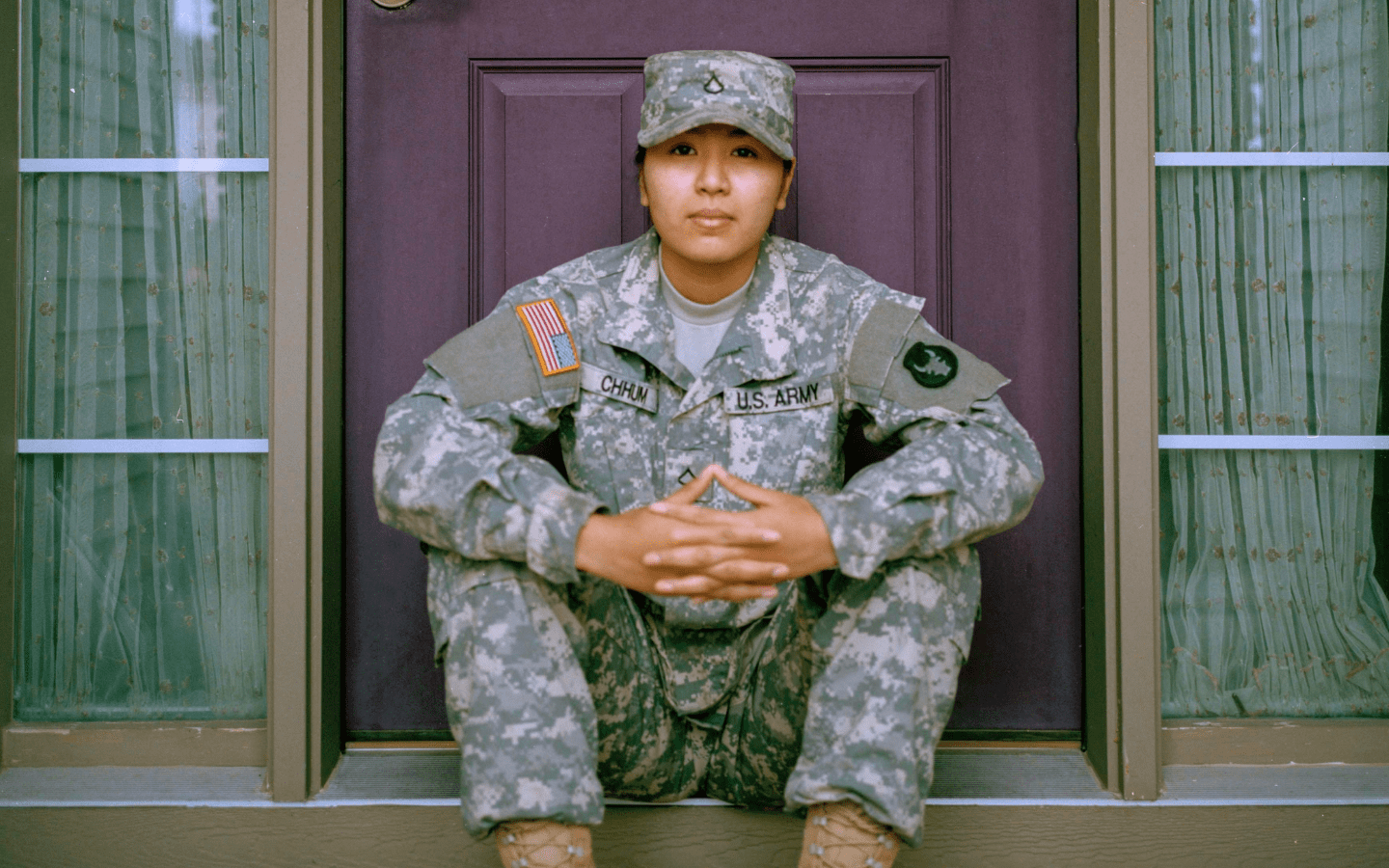
Having spent 22 years working with active military personnel and veterans, I am mindful every time I sit down with one—man or woman—that I am in the presence of a true patriot. They are not paper patriots, but flesh and bone, who serve or have served our nation in the most costly profession known to humanity.
Each is a rare breed, cut from the same cloth that has clad soldiers throughout our history—and throughout the history of the world before it. It is tragic that history has lost so many young men and women to the dangerous, reckless behavior of a few.
Armies have marched and weapons have been fired simply because land or conquest was valued more than human lives. Warfare has evolved, but the deaths it causes still rip the hearts out of nations.
I genuinely wonder how people like Pete Hegseth and the “Felon King” can look these soldiers in the face and not feel properly diminished by their presence. Nothing needs to be said; a veteran’s mere presence in the halls of tainted, corrupt power speaks volumes.
Their presence asks an obvious question—at least to me: “Are you worthy of my life, my sacrifice, my wounds, my suffering, and my service?” Their willingness to serve shows they are ready to protect America’s safety and freedom, but standing in the halls of power, they weigh this willingness against those who do not wear the uniform.
A respectful look or a handshake leaves an echoing query in my mind and heart: “Are you worthy of the blood, sweat, and tears of comrades, who are wounded as much by the brothers and sisters they lose as by the physical injuries they carry?” In these days of senseless political division, we need to hear that question as if spoken directly from the lips of soldiers past and present: “Are you worthy of my service?”
These men and women will likely never ask our political leaders or the public that question directly. Yet it is the very reason we must ask it of ourselves, our neighbors, our politicians, and our leaders.
God, bring us back to being a people worthy of our men and women in uniform.
- About the Author
- Latest Posts

A private practice counselor working with veterans and survivors of trauma. Previously, Chancellor served four churches in Texas for 33 years, then ran a Mental Health Department of Alan B. Polunsky Maximum Security prison which houses death row.