
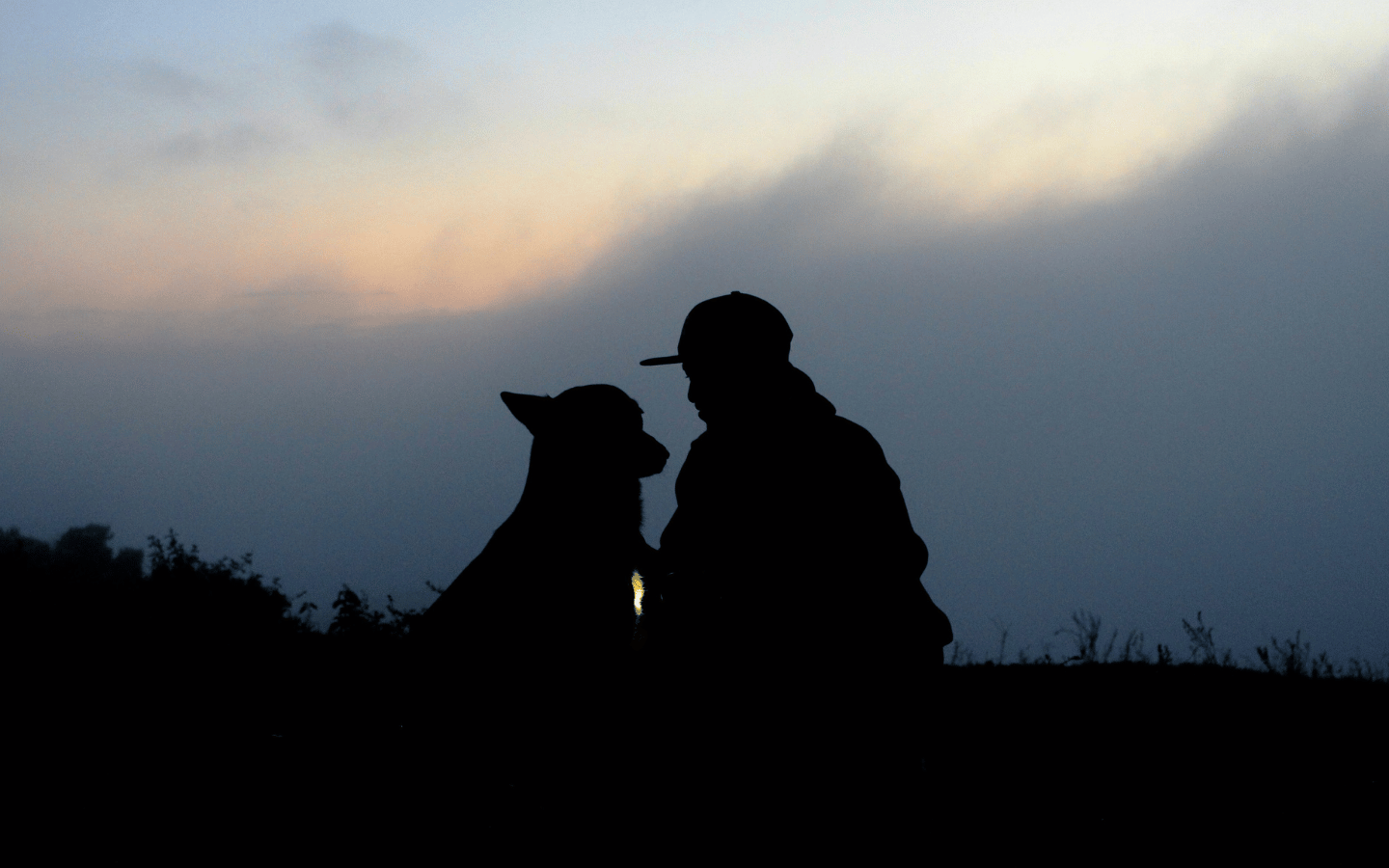
I did not grow up around churches that blessed animals. The closest I saw was my grandmother letting loose a loud “Jesus Christ!” when Max, our thunder-shy German Shepherd, dashed inside her house during a heavy storm.
For her and my grandfather, animals had a purpose. They laid eggs, gave milk, and provided meat. They were used for barter.
Yes, they were cared for. But they were livestock, not pets.
The first time I saw a blessing of the animals service, I was a grown man. I’d, of course, heard about them.
I knew the prestigious Duke Chapel performed them. I’d even read an article about how, on Thanksgiving morning, folks gathered in Southern Pines, North Carolina, to mark the sanctimonious opening of the foxhunting season for Moore County’s hound dogs. I always thought the foxes could have used the prayer more.
Curiosity about such things caught up with me while serving a church in Vermont. I had already helped walk a few furry souls across the Rainbow Bridge and a blessing to those still counted among the living seemed appropriate.
That morning, I blessed several dogs and one suspicious-looking cat. A fidgety-eyed rabbit appeared but stayed in his carrier.
A young man named Spencer brought his favorite fowl. This small Silkie chicken sat as quiet as the most contemplative monk throughout the entire service.
As I petted the creatures and marked their heads with oil, I silently thanked God that no one in the village had a pet snake.
Animal Attraction
I have done a few of those services now, always in October to coincide with the Feast Day of Saint Francis of Assisi. A man said to have been blessed by the Almighty with the gift of communicating with animals, Francis is believed to have loved all of God’s creatures.
And it appears animals loved Francis, too. He is often depicted surrounded by birds, wolves and deer, following him wherever he leadeth.
My father had that gift, too. That’s why I think of him when I prepare to bless all things that fly, creep, and crawl. I remember him especially when I see a “man’s best friend” coming down the aisle, because my father ended up loving a dog he claimed he never wanted.
My mother went and got the canine. She was only supposed to go and see if it was an animal she could tolerate.
The lady who owned the cur in question was waiting for her at the door. She had already put him in a crate. She shoved the skittish animal and a bag of dog food into my mother’s hands.
Through moist eyes, the woman said how thankful she was that he was going to a good home. She said again and again that she wished she could tend to him, but unfortunately, the assisted living place she was moving to wouldn’t allow pets.
My mother didn’t know what to say, so she said the right thing: “You don’t worry about it. We’ll take good care of him.”
She drove home. The dog sat in the passenger seat, staring at her with bugged-out eyes.
The dog was a black-and-white Pomeranian named Checkers. He was the first dog my parents ever allowed in the house. The dogs of my youth were extended no such courtesy.
Benji, Jipper and Max were all farm dogs. They slept on porches and wandered around sheds. When it rained, they found shelter in a dry barn or outbuilding.
Checkers was a far cry from their breed. “What in God’s name did you bring home?” my father asked.
“The woman couldn’t keep him,” my mother said. “He’s sweet, Marty. He rode good in the car. He’s a little afraid. Sort of pitiful.”
“Pitiful is right,” my father said. Pitiful might not have been the kindest of words. Peculiar fit better.
By then, I had moved out of the house. I saw my parents only in sporadic spurts. The fault of a young, busy, hectic life was that I didn’t know how to slow down.
When I’d go home, Checkers would smoke me over with his eyes. He often did this while sitting beside my father. “What’s with the dog?” I’d ask.
“That’s my buddy,” my father would say. He did so in a manner that sounded apologetic, as if he never intended for things to get this serious. They would continue to.
From afar, I’d hear stories from my mother about how my father would take Checkers with him to fast-food drive-thrus. The people at the window would laugh when my father would order a large tea for himself and a single burger for the monochromatic mess in his lap. They would have laughed harder if they knew the sorry dog wouldn’t eat the burger, wouldn’t touch it, without my father ripping it up into little pieces for him.
On top of his eating habits, Checkers barked at everything: Shadows. Things that weren’t there.
Once, I saw him fixated on a corner in the spare bedroom. I was annoyed and equally afraid we had a haint in the house.
Another time, my parents came to visit. I watched from an apartment window as they pulled what looked like a baby stroller from the back of their SUV. When I asked my parents if they were expecting an unexpected baby, like the biblical characters Abraham and Sarah, my father told me it was for Checkers.
“He doesn’t like to walk much,” he said. “Hurts his feet.”
“All of this hurts my head,” I said. And so life went on for several years and Checkers got older.
The End
The comedian George Carlin said when you get a dog, you have to know it isn’t going to end well. Checkers’ end came on a day I was visiting.
His health had been declining. He had a cough that would have made the infamous Doc Holiday flinch.
We had left for dinner. Checkers was in a downstairs bedroom. He rested on the bed, on top of a blanket my father spread out for him each evening.
When we came back, I popped into the room to check something. I noticed Checkers wasn’t moving. I told my parents.
My mother cried. My sister cried. My father wailed.
“I shouldn’t have left,” he said. “Little fella shouldn’t have had to die alone.” I consoled my father while my mother went to Walmart and bought a small plastic bin.
Out behind my childhood home, I dug a grave in the rain. My father stayed out there with me.
“I’ve never seen a man dig like you,” he said. “You know your great-grandfather was a grave digger?”
I didn’t. But I think about that fact every time I put a shovel in the ground. I wonder why my father never shared that story before.
We wrapped Checkers in his blanket and put a few small items inside the container with him. Sending him off like the pharaohs of old. The sky and my father continued to weep.
Eternal Life
“You know why I think death is so hard for us?” I said to him. “Maybe it’s because we were never meant to die.”
My mother said he talked about that years after it happened. He’d mention it while swearing he’d never get another dog. He finally broke down and did when my wife and I moved to New England with his first granddaughter.
Animals loved my father. They love me in the same way, too. From the pitiful-ist dogs to the sorriest of cats, they swarm to me like bees to honey. I guess I have my father to thank for that, for showing me how to love things that can’t speak back.
My father’s been gone for a few years now. Massive heart attack. My mother was there when it happened. My sister was too. I was miles away in New England. He did not die alone.
Often, I find myself thinking about the conversation we had out in the rain that night when we buried that dog.
I wish we had more of them.
The conversations. Not the dogs.
- About the Author
- Latest Posts
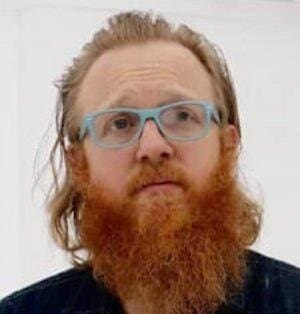
Justin Cox received his theological education from Campbell University, Wake Forest University School of Divinity, and McAfee School of Theology where he earned his Doctor of Ministry. He is an ordained minister holding standing in the Cooperative Baptist Fellowship and American Baptist Churches USA. When not spending time with his spouse and daughters, he can be found writing and baking late into the night. His thoughts and reflections are his own.