
Southerners are known for our ability to turn a phrase. We have certain sayings and expressions. Many have made their way into the larger culture.
“Bless your heart.”
“Lord willing and the creek don’t rise.”
“He’s slower than molasses.”
I know such things intimately. They came out of the mouths of the people I called kin.
Over the years I’ve used them. Sometimes willingly. Other times they slip out. Often they are said to me from somewhere far away, from voices long past. My grandmother’s especially.
When I’m working through a perfect plan in my head, I hear her say, “Yeah, I know what you’re gonna do. You’re gonna shit and fall back in it.” Maw-maw put sugar in her tea but didn’t worry about sprinkling it in her language.
My grandfather, who everyone called Bun, was a farmer. He was serious, hard, and a natural potstirrer. He had a few sayings that I’m told not to repeat in the presence of decent company. He gave me life lessons I still remember: never act like you’re better than anyone, and don’t be ashamed of who you are and where you come from.
In other words, “Don’t get above your raisin’.”
This is gospel in Southern Appalachian culture.
Here, folks let you know right quick if you’re putting on airs, coming off as snobby, or acting more la-di-da than you should. I’ve needed to hear it a time or two. I know others who did too when they started to get a little too big for their britches.
There’s only one soul I believe who didn’t need reminding. Dolly Parton never seemed to get above her raisin.
An Old Friend
When news broke yesterday afternoon of her passing, I was sitting on the front porch with a church member. His phone dinged, and I heard, “Oh no. Dolly died.” He didn’t need to say the last name. Everyone knows who you mean when you say Dolly.
In many ways, I’ve known Dolly my whole life. I heard her sing out of the radio speakers in my grandparents’ home. I watched her in 9 to 5 on our family’s Betamax. I remember seeing her show up on an episode of Pee Wee’s Playhouse.
I credit the first recipe I ever memorized to her. Truvy’s cuppa cuppa cuppa cake from Steel Magnolias.
When I saw or heard Dolly, she was always the same. Sweet. Funny. Brilliantly clever. And maybe most importantly, unapologetically Appalachian and Southern.
She never seemed far from the Great Smoky Mountains, where she was born. When talking about home, she spoke with appreciation. When she mentioned her mother or father, she spoke with reverence. Dolly left little doubt that her upbringing in East Tennessee made her who she was.
These days, people say representation is important. Dolly was that to me. Watching and listening to her, I heard someone who sounded like me. Here she was making music, reshaping Nashville, conquering Hollywood, sounding the way she did.
As I got older, I learned that not all accents are equal. Southern meant slow, backward, dim. Appalachian meant hillbilly, redneck, hick.
I tried my damnedest not to sound that way for being thought of that way. My true voice only came out around family or in comfortable settings with trusted friends. Dolly, along with a few other Southern Saints, finally convinced me to embrace that part of me.
Saint Dolly
But Dolly wasn’t just mine. She belonged to everyone. Don’t believe me? Try this.
I want you to shut your eyes. Now think of the person in your life who is the complete opposite of you. Maybe it’s the co-worker who doesn’t respect personal space and talks nonstop about CrossFit? Or maybe it’s your aunt and uncle who are full Fox News devotees. I dunno, pick your poison. Do me a favor next time you see them: ask them how they feel about Dolly Parton.
I’m willing to bet they love her, or at least something about her. Her universal appeal was unmatched. She is claimed by both the right and left, from evangelicals to drag queens. I don’t know anyone else who can make the same claim.
Dolly’s message of acceptance was simple. During an appearance on The View, she shared, “I just love everybody. I just try and find the God-light in people, and I try and play to that. I try not to be judgmental because I grew up very spiritual and in church; my grandfather was a preacher. So I just think that we should love each other, not try to judge, find the good in us, pray for the bad, and just accept people as they are.”
This wasn’t something she just said. It was how she lived.
Dolly’s embrace of all sorts of people often led her beside those who were pushed to the margins. She advocated for people in the trans community, even penning the song “Travelin’ Thru” for the film Transamerica. She had a quick cameo on RuPaul’s Drag Race. And when asked about the Black Lives Matter movement in 2020, she didn’t hesitate to say, “Of course Black lives matter. Do we think our little white asses are the only ones that matter? No!”
And while she wore flashy dresses and dazzling rhinestones, Dolly’s message was not about convincing the public to love her. It was about getting people to love themselves and each other.
That’s a Jesus-like message if I ever heard one. It points to a faith that doesn’t require one to have all the answers. Instead, it invites you to look for the God-light in others, to love them, and trust that there is more to God than we can see.
It’s a good way to be sure you don’t get above your raisin’.
Rest Easy, Queen
Somewhere on my phone there is a video of my oldest daughter when she was 3 years old. We are lying in bed, reading a book. It had come earlier that week in the mail courtesy of Dolly and her Imagination Library. A short read about a bear who was trying to learn how to hide.
By then, we had read the book several times, but that night she looked at me and pointed to a picture on the back cover.
“Who’s that, Daddy?” she asked.
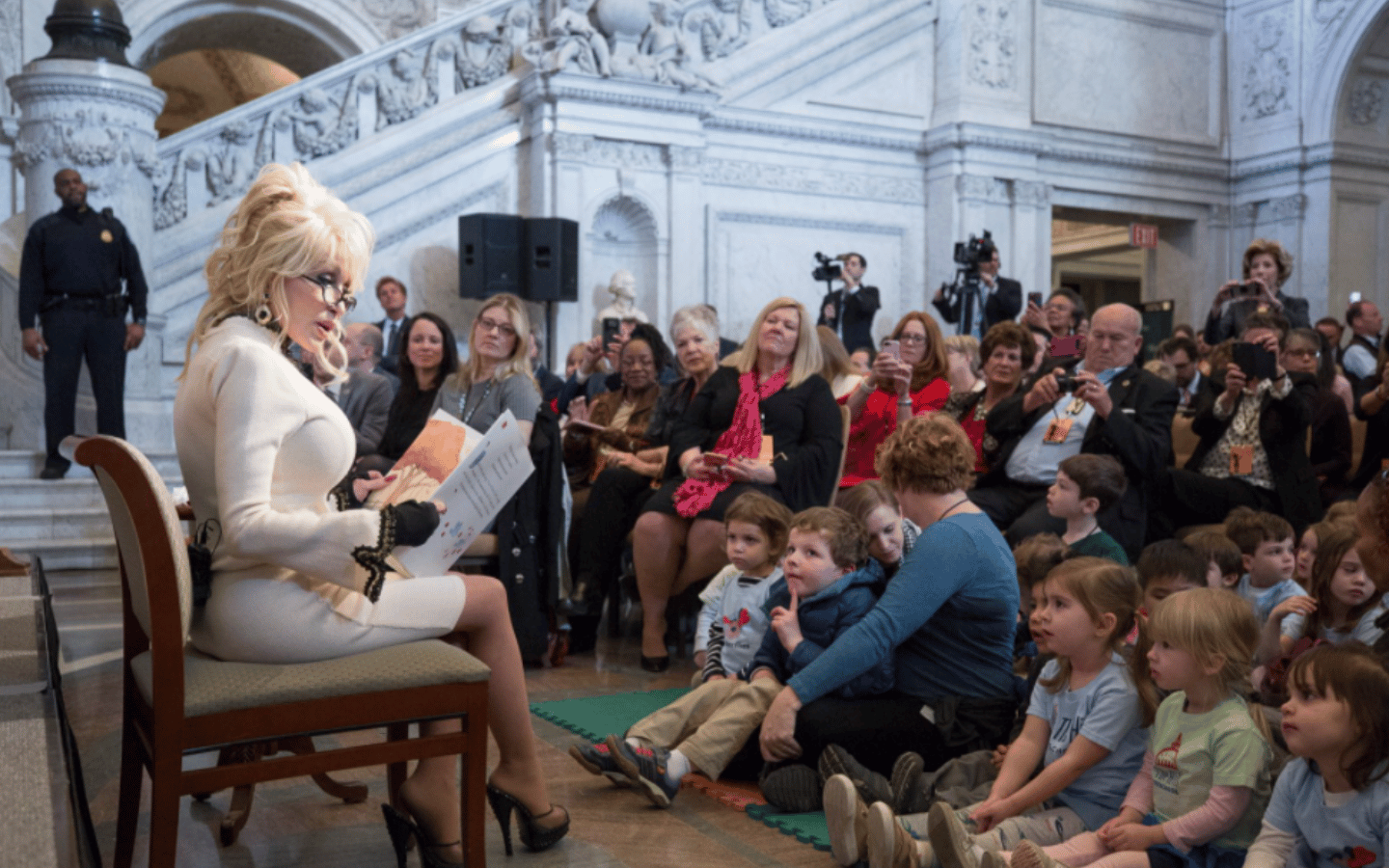
It was a picture of Dolly. A smile. Big hair reaching to heaven. A book in her own hands.
“That’s Dolly Parton,” I said. “She comes from where you and me come from. She’s the Queen of Appalachia.”
My daughter touched her picture. Looked at me and said in her small voice, “Good night, Dolly Par-don.”
Every time we’d go to read that or any other book with Dolly’s picture in it, we performed the ritual.
It’s something I hope she’ll never forget. I know I won’t.
“Good night, Dolly Parton.”
- About the Author
- Latest Posts
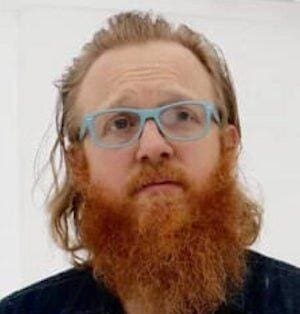
Justin Cox received his theological education from Campbell University, Wake Forest University School of Divinity, and McAfee School of Theology where he earned his Doctor of Ministry. He is an ordained minister holding standing in the Cooperative Baptist Fellowship and American Baptist Churches USA. When not spending time with his spouse and daughters, he can be found writing and baking late into the night. His thoughts and reflections are his own.