

While femicide is a tale older than the time of the Hebrew scriptures, its discussion as criminal has not reached consensus. Instead, other rationales are offered to explain his alter ego and her body on his ego-altar: his loss of employment, loss of marriage, loss of money, loss of status, but never his loss of property, here being she/her.
Rather than accountability, his unthinkable decision to end her life inspires think pieces on men’s mental health and oddly enough, the pressure to perform masculinity in a patriarchal society. Kiese Laymon, the Libbie Shearn Moody Professor of English and Creative Writing at Rice University and best-selling author of memoir, addressed the “not all men” argument with poetic precision in a social media post:
“Men, we be murdering and assaulting women
way too much, then acting like we don’t be
murdering and assaulting women way too
much.But they don’t murder and assault us.
You’d think we’d be more fucking kind.
Or grateful.”
But he’s not so he takes her life and the future they planned because he believes both belong to him. He unplugs his woman-appliance the moment she doesn’t “act right,” that is decides to leave him, divorce him.
Nearly 75% of all domestic violence killings happen when a woman attempts to break up or separate from her male partner. The understood wisdom is that the most dangerous time for a woman in an abusive relationship is when she attempts to leave. Because the abuser views her potential absence as a loss of control, the confrontation often turns deadly.
So do not tell him you’re leaving. Instead, call the National Domestic Abuse Hotline at 1-800-799-SAFE if you or someone you know is experiencing domestic violence. They can help you get away safely and without further incident.
Friend, the relationship will not resort back to that magical time of firsts. That is as good as he will ever get.
There are no better days. He will not get better.
More importantly, none of this is your fault, as you can’t earn strikes across your face or broken bones. You don’t deserve any of this.
Breaking you is not a fix: full stop, literally. Leave.
So consistent, so expected, so predictable, so inevitable is his violence against a woman that it is timed. Though alarming, we can set our watches to it, occurring every ten minutes. We poor women can’t catch a break and there is no safe place with femicide being described as “a persistent problem around the world” by the UN Office on Drugs and Crime (UNODC) and UN Women.
The ongoing murder of women and, in some cases, their children, has prompted increased online outrage and debate concerning domestic and intimate partner violence. There have also been calls for resources for domestic violence and mental health for victims and their perpetrators, respectively.
Called the Shreveport massacre, a family annihilation attempt left eight children dead, seven of whom were the killer’s own: Jayla Elkins, 3; Shayla Elkins, 5; Kayla Pugh, 6; Layla Pugh, 7; Markaydon Pugh, 10; Sariahh Snow, 11; Khedarrion Snow, 6; and Braylon Snow, 5. Two women, his wife and the mother of four of their children and the mother of three of their children, were both critically injured on April 19.
Shaneiqua and Shamar Elkins were in the midst of a separation. Elkins later turned the gun on himself. This unspeakable tragedy has once again raised questions about gun laws, as Elkins had an illegal firearms conviction and should not have been in possession of a gun.
Dr. Cerina Fairfax was murdered in her home by her estranged husband, former Virginia Lt. Gov. Justin Fairfax, who afterwards committed suicide on April 16. She, too, had filed for divorce. The children were left unharmed, though left to discover their parents’ dead bodies.
These deaths follow the death of Florida vice mayor Nancy Metayer Bowen on April 2. She was found dead in her home during a wellness check by police. Her husband, Stephen Bowen, was arrested for premeditated murder and evidence tampering.
Written in 1979 after the murder of 12 women in Boston over four months, Audre Lorde’s “Need: A Chorale For Black Woman Voices” can still be presented today, as she captured a scene that hasn’t changed:
“But when your boyfriend methodically
beats you to death
in the alley behind your apartment
while your neighbors
pull down their window shades
because they don’t want to get involved
the police call it a crime of ‘passion’
not a crime of hatred.
Yet I still died
of a lacerated liver
and a man’s heelprint
upon my chest.”
“Who keeps us safe? We keep us safe” is a familiar community-based call and response to police brutality. But it could just as soon be applied to patriarchy and in response to those who call themselves “protectors and providers,” those who would rather keep us down.
Because who do women need protection from—except men? And why have women historically been prevented from providing for themselves? That answer is also men.
And when she tries to ensure her safety and financial independence, who is threatened by it? Men.
The silence of too many men is a reminder that they are their brother’s keeper—not ours. Move accordingly, sisters.
- About the Author
- Latest Posts
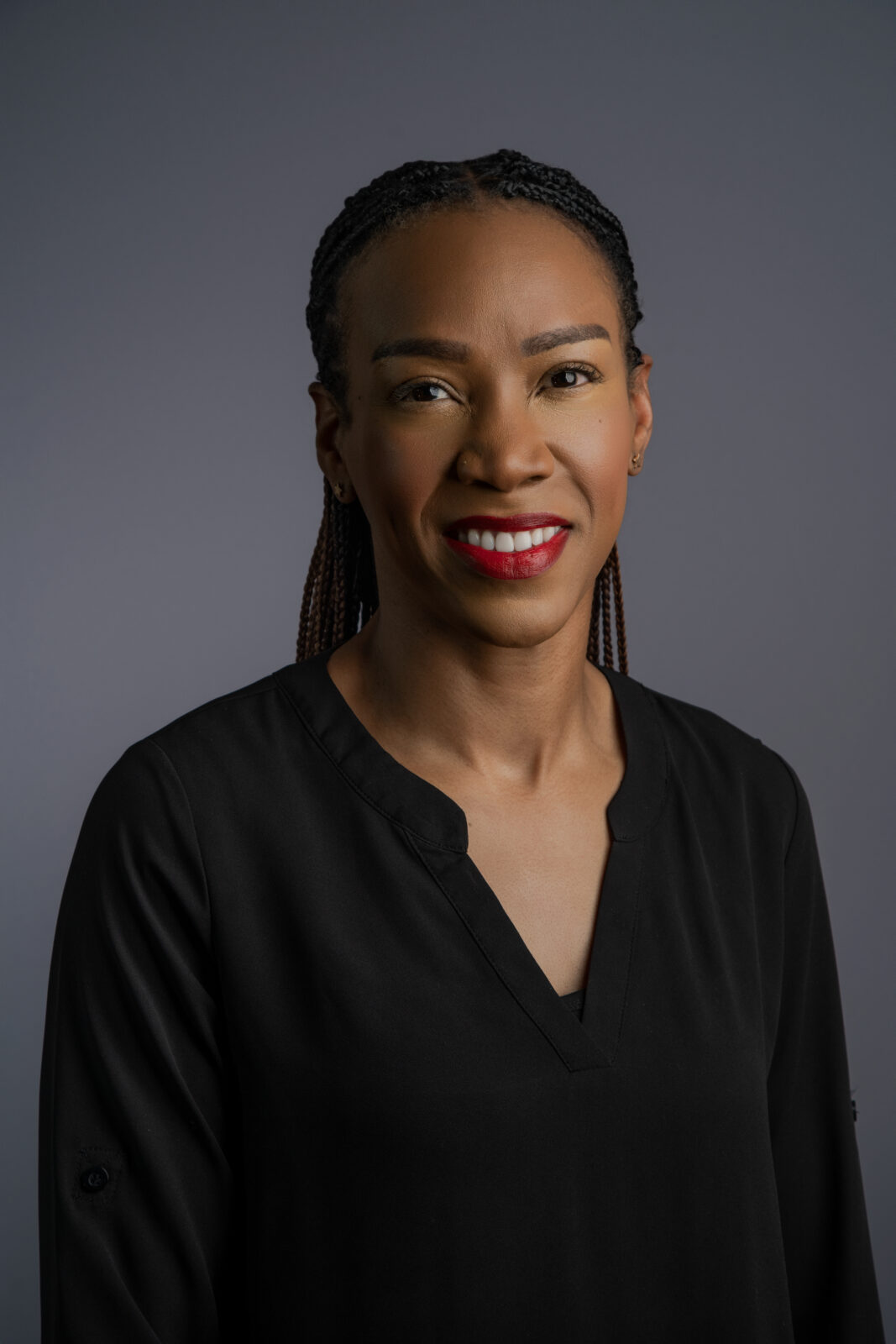
Director of The Raceless Gospel Initiative, an associate editor, host of the Good Faith Media podcast, “The Raceless Gospel” and author of Take Me to the Water: The Raceless Gospel as Baptismal Pedagogy for a Desegregated Church.