
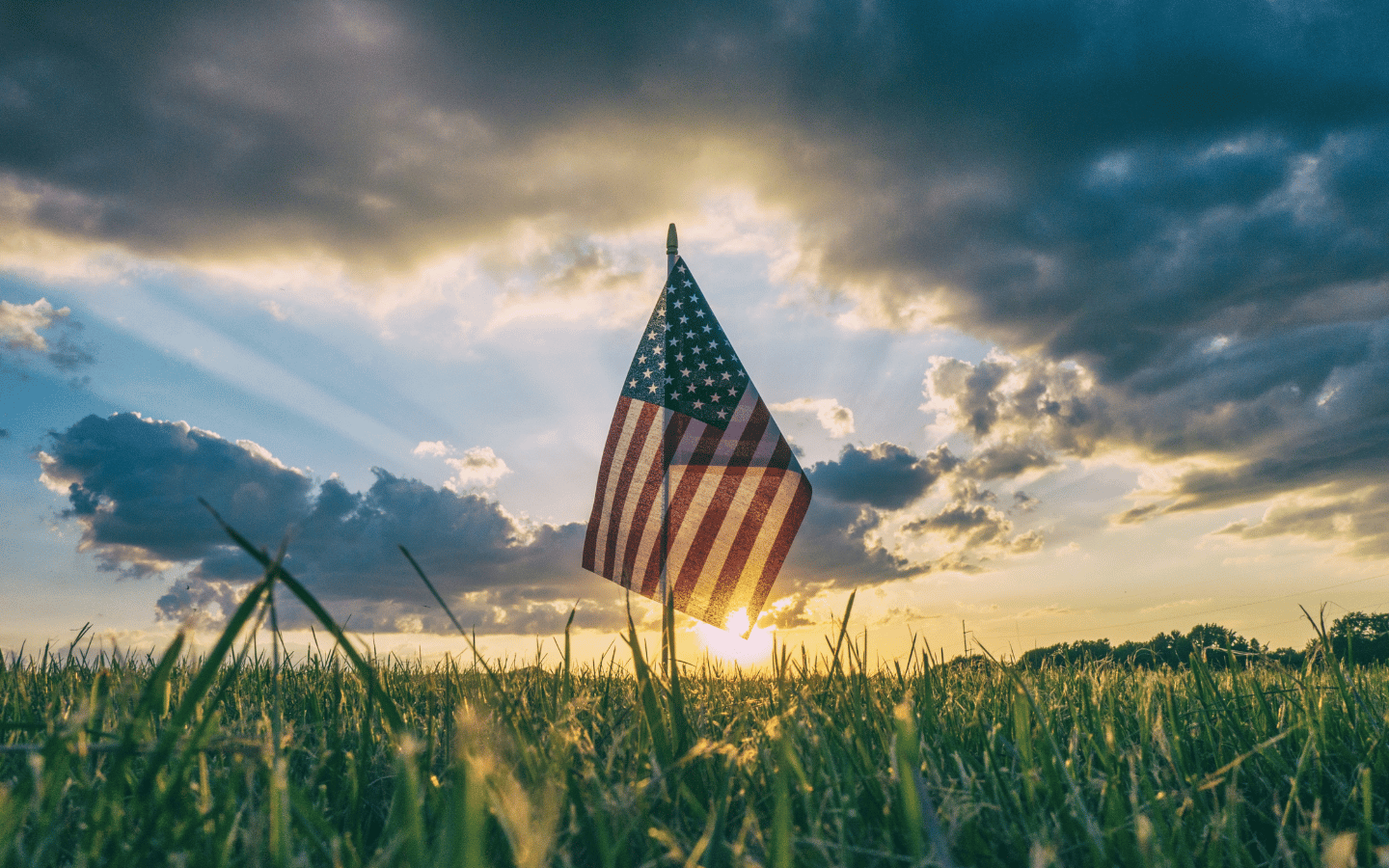
The United States is very young compared to countries like Iran, Egypt, Vietnam and China, which are thousands of years old. With its relatively short history, the United States will celebrate its 250th birthday on July 4. This is an invitation not only to celebrate the past and its achievements, but also to reflect on the future.
Anniversaries compel us to ask a crucial question: What kind of country will we become?
Two hundred and fifty years ago, the founders of this nation declared that all people are created equal and endowed with certain inalienable rights. Those ideals have inspired generations of Americans and people around the world.
Yet the history of the United States is marked by racism, which allowed the genocide of Native Americans to occur under the Doctrine of Discovery. Between 90% and 98% of Native Americans were killed by white settlers who believed in Manifest Destiny.
Racism permitted the enslavement of millions of Africans for 246 years, from the arrival of the first enslaved Africans in 1619 to the ratification of the 13th Amendment in 1865. It also tolerated the indenturing of Asians, a system of unfree labor that exploited Asian workers under harsh conditions on plantations and railways.
Many people were denied the right to vote and certain groups were denied other human rights. Indigenous peoples were displaced, immigrants faced discrimination, and women struggled for generations to gain equal rights.
As we celebrate the 250th anniversary, we must resist the temptation to view history through rose-colored glasses. We need to understand our history and live into a better future.
The 250th birthday of the United States is a time to remember the sacrifices of those who fought for freedom and democracy. It is also a time to remember those whose voices were excluded, whose labor built the nation, and whose struggles widened the promise of liberty and justice for all.
This anniversary should also prompt us to ask moral and spiritual questions.
What kind of nation do we want to become? How do we care for the most vulnerable among us? How do we address racial injustice, economic inequality, gender discrimination, and the climate crisis? How do we cultivate compassion and community in a society dominated by fear and whiteness?
The future of the United States will be shaped by politicians, leaders and ordinary people who choose to act with courage, kindness and a commitment to the common good. Churches, schools, community organizations and families all have important roles to play in nurturing the values that sustain a healthy democracy.
As we celebrate 250 years, we should also remember that democracy requires participation, justice requires action, and peace requires commitment. Will the United States be a country that moves toward Christian Nationalism, or will it become committed to inclusivity, peace and justice?
Christian Nationalism has gained visibility through political and cultural movements in America. This ideology combines religious identity with political agendas, pushing an ethno-religious narrative of white Christian supremacy.
White Christian Nationalism has emerged as a guiding principle of the “Make America Great Again” movement. Its ethno-religious identity politics could be heard in the prayers and seen in the religious symbols protesters carried at the U.S. Capitol insurrection on January 6, 2021. The movement is growing in the U.S., reinforcing racism, white supremacy, patriarchy and the subordination of people of color and immigrants.
“Make America Great Again” longs for a time when white Christianity was dominant, informing how people lived, behaved and created laws that marginalized and harmed people of color and immigrants. It has become part of the Republican Party’s identity as it indirectly associates itself with Christian Nationalism. Some have falsely married themselves to Christian ideals as a pretense of moral superiority.
Christian Nationalism distorts the gospel by intertwining faith with nationalism, fascism, power and racial supremacy. It feeds xenophobia and exclusion, all under the guise of religious piety and the Christian gospel.
This is not the gospel message, however, but a false white gospel rooted in fear, oppression and cultural idolatry. Christians are called to love our neighbors, welcome strangers, care for creation and seek justice. These commitments are not merely private virtues; they are public responsibilities.
As we seek to become a better country, will we follow Christian Nationalism, which distorts the gospel, or will we lean into the gospel message as we learn from history, listen to one another and work together? We can help create a future that is welcoming, affirming and embracing of all people.
As the U.S. marks its 250th anniversary, may we celebrate with gratitude, reflect with honesty and move forward with hope.
We are a land full of resources to make this country and this world a better place. We have the means to transition to renewable energy and achieve a clean, green future. We are a rich country that can continue to welcome immigrants and refugees seeking political and religious asylum. We are spiritual, and that spirituality can lead us to fight Christian Nationalism and work toward becoming a welcoming and loving place.
I hope the next 250 years bring greater justice, deeper compassion, stronger communities and a renewed commitment to the dignity and worth of every person.
The story of America continues to be written, and we all need to ask ourselves what kind of story we will tell and write together.
- About the Author
- Latest Posts
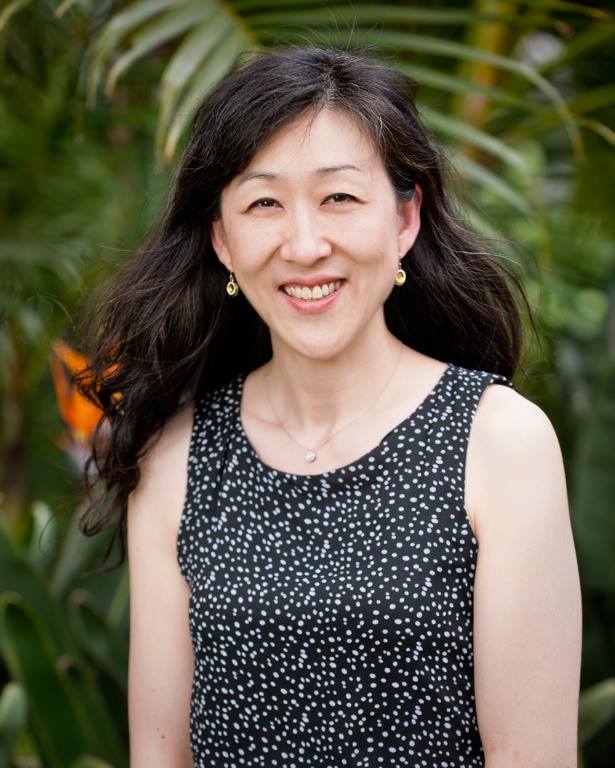
Grace Ji-Sun Kim (Ph.D. University of St. Michael’s College) was born in Korea, educated in Canada and now teaches in the USA as Professor of Theology at Earlham School of Religion, Richmond, Indiana. She is the author or editor of 26 books, most recently, Earthbound: God at the Intersection of Climate and Justice.
Kim is the host of Madang podcast which is sponsored by the Christian Century. She blogs on her substack: Loving Life: Loving Life and has written for Huffington Post, The Nation, Sojourners, Baptist News Global, Faith and Leadership and TIME. Kim has appeared on MSNBC, PBS and C-Span. She has been a guest on BBC Radio, Soul Search Radio, WBEZ Radio, and Keep Hope Alive Radio. She is an ordained PC(USA) minister and enjoys being a guest preacher on most Sundays.