
Our family immigrated to Canada from Korea in 1975. During my childhood, I attended Korean Language School every Saturday morning and frankly, I disliked it.
While my friends were enjoying their weekends and Saturday morning cartoons, I was dragged to school to learn the Korean language, culture and history. We were introduced to Korean culture, practiced traditional Korean fan dances, learned about Taekwondo, and explored the traditions of our homeland.
Although I resisted going each week, many of those lessons have stayed with me more than fifty years later and I have even come to appreciate them.
A Song of Sorrow and Resistance
One memory stands out very clearly: regularly singing Korea’s most beloved folk song, “Arirang”. Today, when I hear it or see the lyrics printed out, it evokes feelings of nostalgia, longing and home. It reminds me that, although I grew up in Canada, part of my heart has always belonged to Korea.
The song is more than six hundred years old. Its exact origins are unknown, although many believe it tells the story of separated lovers. Over the centuries, however, it has become much more than a love song. It has become the soundtrack of the Korean people’s history, culture, emotion, love, sorrow, joy and resistance.
During the Japanese occupation of Korea (1910–1945), when patriotic songs were banned, “Arirang” became an unofficial anthem of resistance. It was sung during the March First Independence Movement of 1919 and by those who longed for freedom under colonial rule.
“Arirang” carries the painful memory and struggle of a people who experienced colonization, cultural erasure and war. Koreans were forbidden to speak their own language, pressured to adopt Japanese names, and stripped of many aspects of their cultural identity. Remembering this history helps explain why many Koreans today empathize with people around the world who are experiencing violent occupation and displacement.
Our collective memory teaches us what it means to long for justice and freedom. Thus, for generations, Koreans have sung “Arirang” as an expression of sorrow, resilience, hope and national identity.
BTS Carries “Arirang” to the World
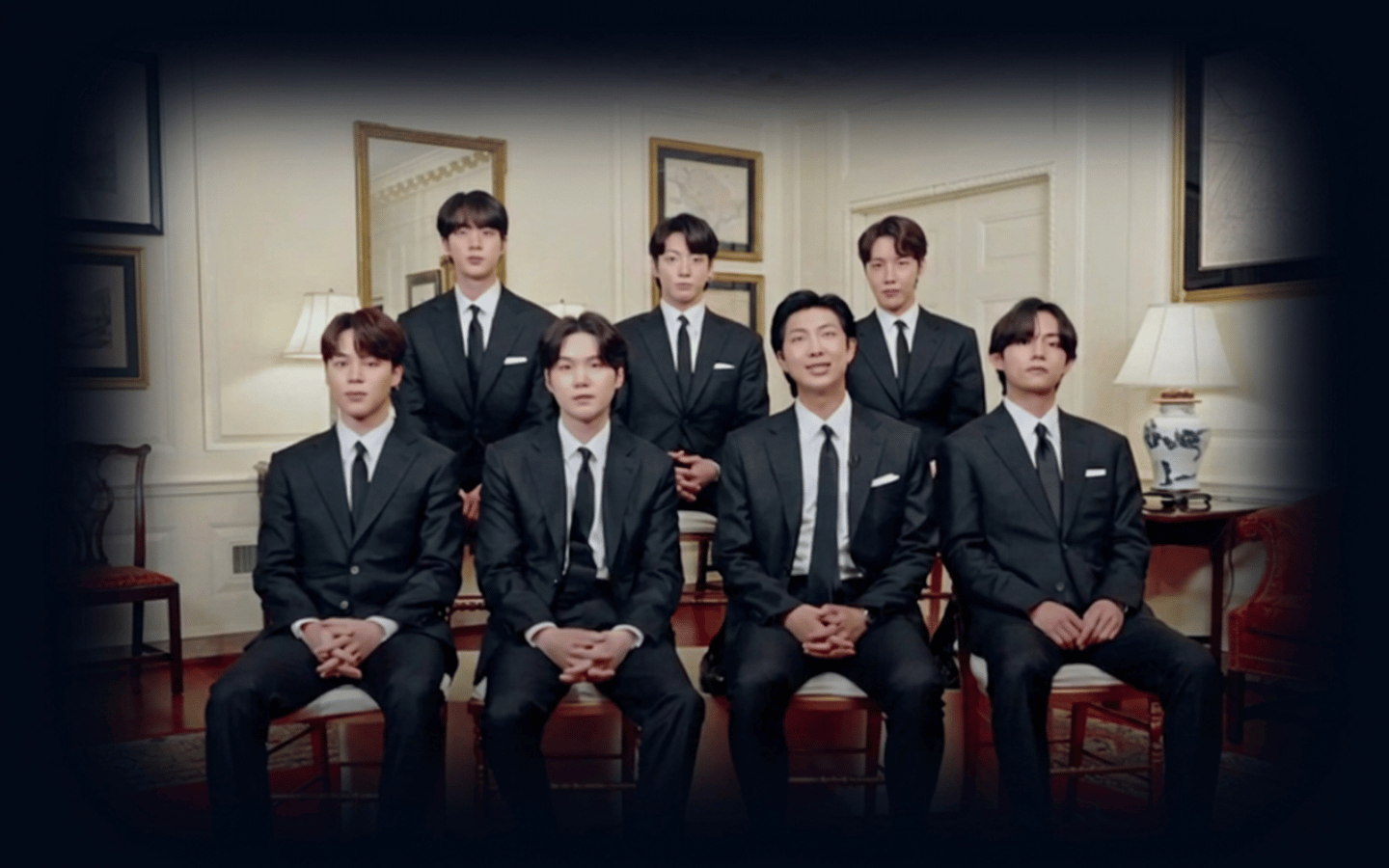
I was deeply moved to see Korean pop group BTS incorporate “Arirang” into their artistic work after completing their mandatory military service in Korea. Watching millions of people around the world participate in this treasured Korean folk song fills me with pride and joy. What was once a song my classmates and I reluctantly sang on Saturday mornings has become a global anthem and conversation about Korean identity.
Arirang is BTS’ tenth album. It incorporates themes of separation, reunion, and strength, with the folk Arirang woven into “Body to Body,” the opening track.
The album debuted at number one in over 25 countries and is currently the top-selling album of 2026, breaking streaming records on Spotify and Apple Music. BTS is now in the middle of their Arirang World Tour, which included a performance at the FIFA World Cup closing ceremony.
I admire BTS’s willingness to share Korean culture with the world. I also admire their advocacy and justice work through the UN and other global organizations.
Breaking Out of the Box
Although Arirang is a best-selling album, BTS has reported that they will not submit their work for Grammy consideration. They cited concerns about it being placed in a separate new “Asian Pop Performance” category, which has sparked deep conversations on how artists are categorized. BTS’ message, “that music can be heard and loved for what it is, rather than being divided by region or language,” resonates far beyond the music industry.
Too often, people of color are placed into boxes that emphasize difference rather than excellence. As a result, they are often pushed to the margins. BTS’ stance reminds us that diversity should be celebrated, and not as a tool of marginalization.
BTS was expected to sweep next year’s Grammys with Arirang. Throughout their career, they have been nominated multiple times and have both performed and been presenters at the awards show. Their worldwide popularity brings millions of viewers to the show, leading many to believe that the Grammys use BTS to boost viewership while snubbing them for awards.
BTS’ Grammy decision is a form of resistance against being pushed into restrictive boxes. BTS is opening doors, not only for Asian artists, but for all whose gifts have been marginalized and limited by stereotypes and narrow expectations.
As an Asian immigrant who spent much of my childhood trying to fit into Canadian culture, I never imagined that one day Korean culture would be globally celebrated. Growing up, I sometimes felt embarrassed by my differences and my cultural heritage. Today, I feel immense pride in my Korean heritage through artists and singers from Korea.
BTS’ resistance is giving many of us in the margins the courage to fight back against being placed in the boxes that restrict us.
When people around the world sing “Arirang,” they are not simply singing a beautiful melody. They are participating in a song that carries centuries of history, resilience, sorrow and hope. They are joining a tradition that has sustained generations of Koreans through suffering, and has inspired them to keep moving forward.
“Arirang” is no longer just a song I was required to learn as a child in Korean Language School. It is a reminder of who I am, where I came from, and the enduring strength of the Korean people.
For that, I will always be grateful.
- About the Author
- Latest Posts
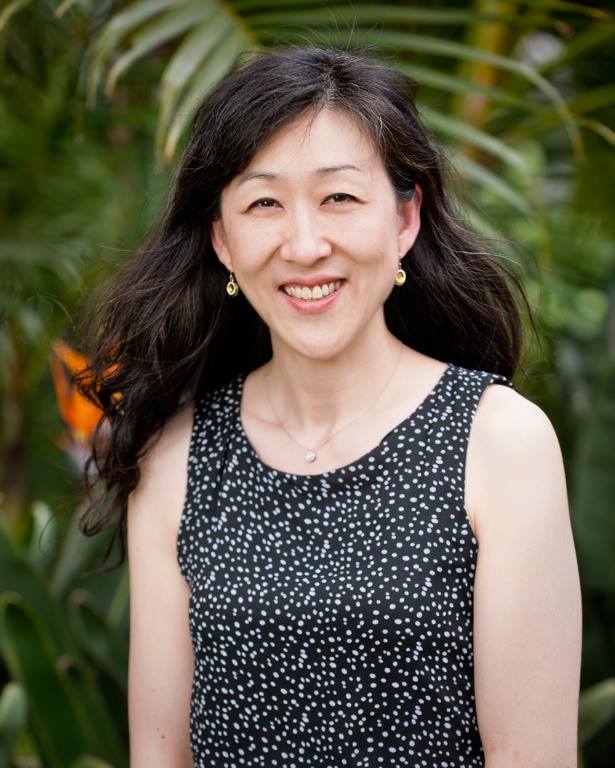
Grace Ji-Sun Kim (Ph.D. University of St. Michael’s College) was born in Korea, educated in Canada and now teaches in the USA as Professor of Theology at Earlham School of Religion, Richmond, Indiana. She is the author or editor of 26 books, most recently, Earthbound: God at the Intersection of Climate and Justice.
Kim is the host of Madang podcast which is sponsored by the Christian Century. She blogs on her substack: Loving Life: Loving Life and has written for Huffington Post, The Nation, Sojourners, Baptist News Global, Faith and Leadership and TIME. Kim has appeared on MSNBC, PBS and C-Span. She has been a guest on BBC Radio, Soul Search Radio, WBEZ Radio, and Keep Hope Alive Radio. She is an ordained PC(USA) minister and enjoys being a guest preacher on most Sundays.