
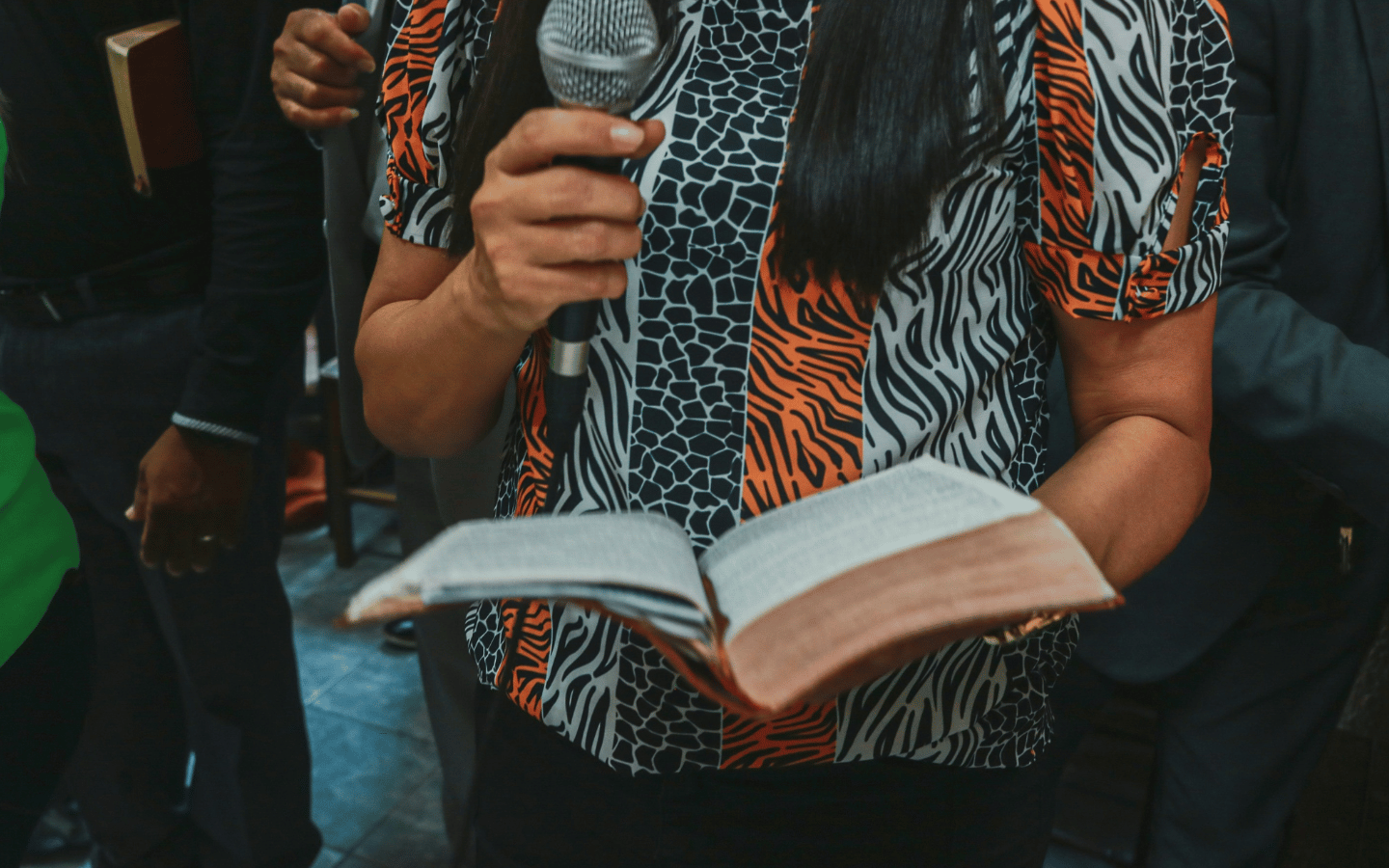
The Southern Baptist Convention (SBC) made headlines again by voting to bar its churches from having female pastors. For many ordained women, we can shrug off their decision. However, the SBC remains the largest Protestant denomination in the United States, so its decisions affect many Christians and impact the lives of women in the church.
Meanwhile, other mainline churches, such as the Presbyterian Church (USA) and the United Methodist Church (UMC), are celebrating 70 years of ordaining women this year. American Baptists began ordaining women in the late 19th century, and the United Church of Christ (UCC) in 1853.
The church has been richly blessed by ordained women, who bring their unique gifts to ministry.
Women were central to the life and ministry of the early church. Throughout Scripture, they served as prophets, leaders, teachers, evangelists and witnesses to God’s work in the world. Women were among Jesus’ closest followers and the first witnesses to the resurrection. They were the first proclaimers of the good news that Christ had risen.
Where would the church be without women?
It was Mary Magdalene who first went to the empty tomb. She wept when she thought they had stolen Jesus’ body. Then she encountered the risen Jesus, becoming the first evangelist as she ran off to tell the disciples, who were so afraid that they locked themselves in a room. Mary became known as the “apostle to the apostles.”
This Christian story needs to be told repeatedly so that denominations like the SBC can remember that women have always been part of the church’s story, preaching and teaching the good news.
Women served as leaders in the first house churches. To name a few, there was Phoebe, a deacon of the church in Cenchreae (Romans 16:1). Priscilla and her husband were a missionary couple (Acts 18:26). Lydia was the first recorded Christian convert in Europe (Acts 16), and she used her financial resources to establish the church in Philippi. We cannot forget Junia, whom Paul described as “prominent among the apostles” (Romans 16:7) and who was imprisoned for her faith.
The list goes on, and the church has been enriched by women leaders and their faithfulness.
It was not God, but patriarchy, that stopped allowing women to become leaders and pastors in the church. Patriarchal culture and the church have often caused women to struggle for recognition, acceptance and opportunities to serve. Despite these hurdles and obstacles, women have faithfully answered God’s call and have enriched the church through preaching, teaching, pastoral care, scholarship and leadership.
The issue of women’s ordination is not simply about equality or representation. It is a theological issue. When God calls someone to ministry, who are we to stand in the way? The outpouring of the Holy Spirit is not limited to men, as God’s gifts are poured out upon all people.
We are living in a time when many churches are experiencing declining membership, shrinking leadership pools and increasing challenges. We cannot exclude those whom God has gifted and called. The church needs the voices, experiences, insights and leadership of women, who bring different perspectives and understandings that are desperately needed for our time.
With the prevalence of sexual abuse and assault against women in the church, we must value women ministers who play a crucial role in speaking up for victims and preventing further abuse. For too long, some churches have remained silent about abuse, which is a profound violation of human dignity. We need women pastors to speak up for women’s rights and address them biblically and theologically.
We need women pastors to share the deep love of God, which is motherly and feminine. Women ministers reread Scripture and interpret it from a liberative perspective, which is life-giving and enriching to the church.
I recently led a workshop at the Lead(Her) conference at the Church of the Resurrection in Kansas City. I met many women ministers doing extraordinary work around the world. They preach, teach, pastor congregations, provide spiritual care, advocate for justice, mentor future leaders and faithfully serve God’s people.
Yet too often, they do so without the support they deserve. They are often paid less, receive fewer leadership opportunities, experience greater scrutiny, and must continually prove their qualifications. When women ministers thrive, the whole church benefits, as it is enriched by diverse perspectives, broader experiences and leadership that reflect the fullness of God’s people. The church becomes a more faithful witness to the gospel’s message of inclusion, justice and shared ministry.
The Holy Spirit continues to call women into ministry. The church is not to question that call but to nurture it, support it and celebrate it.
Denying women’s ordination sends a concerning message to young girls and women in our congregations. It suggests that there are limits to how fully they can serve God and the church. It communicates that their gifts are somehow less valuable or less worthy than those of men.
The gospel message is about love, embrace, welcome and liberation. The gospel is a story of liberation, inclusion and the breaking down of barriers. As Paul writes in Galatians 3:28, “There is no longer Jew or Greek, there is no longer slave or free, there is no longer male and female; for all of you are one in Christ Jesus.” The church needs to welcome women as ordained ministers equal to men and to accept their gifts of ministry, which benefit the church.
The church is strongest and most engaging when all people are empowered to serve according to their gifts and calling. Women’s calls to ministry should not be questioned or denied but celebrated and affirmed. I hope for a day when all churches, Protestant and Catholic, can fully embrace women’s leadership and recognize that God’s call knows no gender.
- About the Author
- Latest Posts
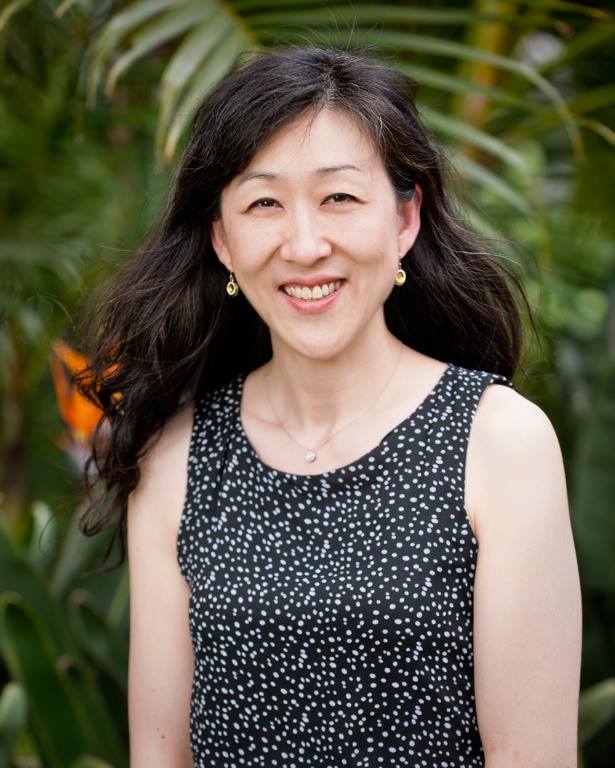
Grace Ji-Sun Kim (Ph.D. University of St. Michael’s College) was born in Korea, educated in Canada and now teaches in the USA as Professor of Theology at Earlham School of Religion, Richmond, Indiana. She is the author or editor of 26 books, most recently, Earthbound: God at the Intersection of Climate and Justice.
Kim is the host of Madang podcast which is sponsored by the Christian Century. She blogs on her substack: Loving Life: Loving Life and has written for Huffington Post, The Nation, Sojourners, Baptist News Global, Faith and Leadership and TIME. Kim has appeared on MSNBC, PBS and C-Span. She has been a guest on BBC Radio, Soul Search Radio, WBEZ Radio, and Keep Hope Alive Radio. She is an ordained PC(USA) minister and enjoys being a guest preacher on most Sundays.