
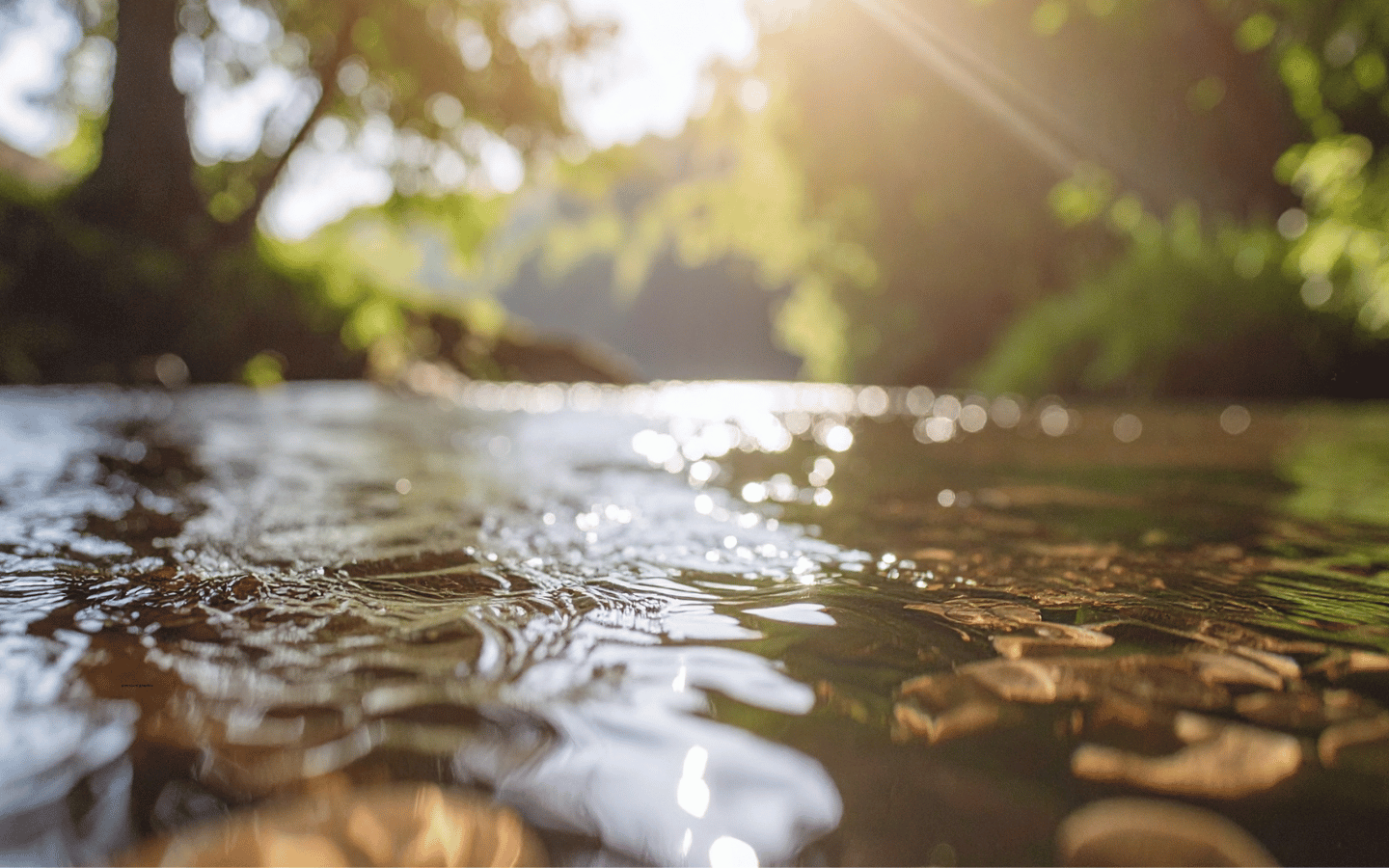
We are now in the Season of Creation. This ecumenical liturgical season, from September 1 through the Feast Day of St. Francis on October 4, invites Christians around the world to reflect on God as Creator and ponder our place within the web of creation amid the climate crisis. It is a season to pray, reflect and advocate for God’s creation.
The Season of Creation asks us whether we are here on Earth to take and dominate or to recognize that we are part of creation and must coexist and live in harmony with it. This question matters because it changes how we live.
The theme for the 2026 season is “Living Water,” taken from Ezekiel 47:9–12. When we address climate justice, we must also address water justice.
Water Is Part of Us
Water surrounds us. We drink it, bathe in it, cook with it and wash with it.
We depend on water to survive. We must ask: Is water merely a resource or a gift for all of creation?
Water is not just outside of us; it is within us. We are approximately 60% water. Water connects us to the Earth and to every living thing that depends upon it.
Yet despite our dependence on it, we have behaved as though water belongs to us. We extract it, pollute it, waste it, package it, commodify it, sell it and profit from it.
We sometimes forget that water is not simply something we consume but something upon which all life depends. All water is living water.
Water is woven deeply into our Christian story and the creation story includes water as its foundational background. On the second day, God creates the sky to separate the waters above from the waters below, and on the third day, the waters are gathered so that sea and dry land can appear.
God uses water to destroy the world with 40 days and nights of rain, and only Noah and the animals in the ark are saved.
The Israelites were saved when God separated the Red Sea so they could escape the Egyptians.
There are numerous stories of encounters around wells in the Hebrew Scriptures and the New Testament. Jesus speaks with a Samaritan woman at a well and asks her to draw him some water.
Furthermore, Jesus entered the Jordan River to be baptized by John the Baptist, and we also enter the waters of baptism as a sign of God’s grace and belonging.
One Sunday, as I was about to baptize an infant, I lifted the cover of the baptismal font and was horrified to see there was no water. Someone quickly ran out of the sanctuary and brought me a jug of water to pour into the font.
Water is about more than physical survival; it is also about our spiritual growth. We are welcomed into God’s family through water. Water reminds us that we are connected to God, to one another and to all of creation.
If water is sacred enough to be part of our sacramental life, then we must also treat it as sacred in our daily lives. We cannot treat water as holy only during baptism and then commodify and waste it by Monday morning. Our spiritual practices and our ecological practices cannot be separated.
When we think about water justice, we must move beyond theory and take action to save it. Every day, we decide what we drink, how long we shower, how much water we use, what food we eat, how much we waste and what products we purchase. We also need to consider the “virtual water” used to produce the goods and services we consume, such as the food on our tables.
Our daily decisions are connected to a larger ecological system and have grave consequences not only for ourselves but also for communities and generations to come.
Around the world, access to clean and safe water is not equally distributed. Some communities have abundant water, while others face drought, contamination, displacement or inadequate water infrastructure.
Those who have contributed least to environmental destruction experience some of its greatest consequences. That is why climate justice must also include water justice.
An Invitation to Act
Every morning, we choose between overconsumption and creation care. We can choose exploitation and destruction or responsibility and flourishing. We make this decision in our kitchens, our grocery stores, our churches, our communities and our state capitols.
We need corporate accountability, environmental policies and collective activism. We must advocate for cleaner water and creation care with our spiritual and political leaders.
As Christians, we believe God is present with us in creation. God is present in the waters of baptism, in the rivers and oceans, and in the rain. God is present in the water that sustains our bodies and thus we must treat water with reverence, as it is a gift we are called to protect and honor.
The waters of baptism remind us that we belong to God and that water belongs to a sacred community of life.
The Season of Creation calls each of us to move away from domination and toward relationship, away from consumption and toward care, and away from destruction and toward flourishing.
Water is life-giving and moves us to become a prayer for the flourishing of the Earth.
- About the Author
- Latest Posts
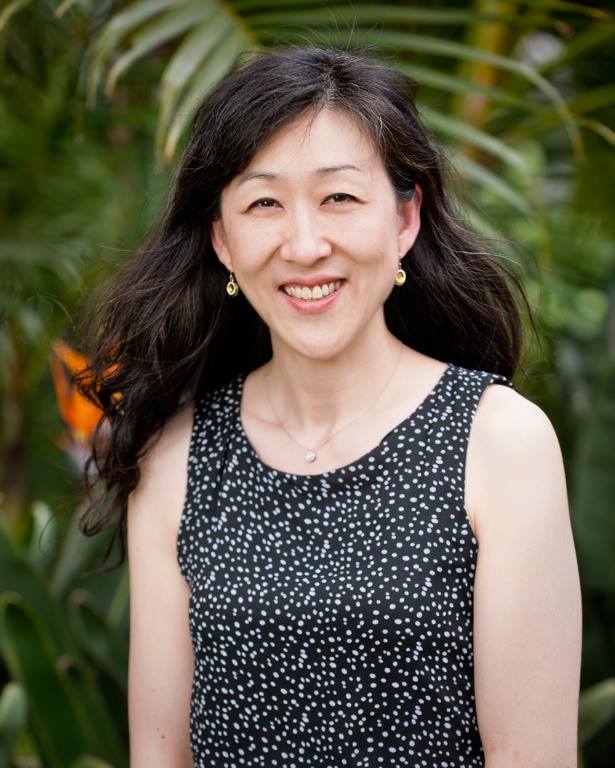
Grace Ji-Sun Kim (Ph.D. University of St. Michael’s College) was born in Korea, educated in Canada and now teaches in the USA as Professor of Theology at Earlham School of Religion, Richmond, Indiana. She is the author or editor of 26 books, most recently, Earthbound: God at the Intersection of Climate and Justice.
Kim is the host of Madang podcast which is sponsored by the Christian Century. She blogs on her substack: Loving Life: Loving Life and has written for Huffington Post, The Nation, Sojourners, Baptist News Global, Faith and Leadership and TIME. Kim has appeared on MSNBC, PBS and C-Span. She has been a guest on BBC Radio, Soul Search Radio, WBEZ Radio, and Keep Hope Alive Radio. She is an ordained PC(USA) minister and enjoys being a guest preacher on most Sundays.