
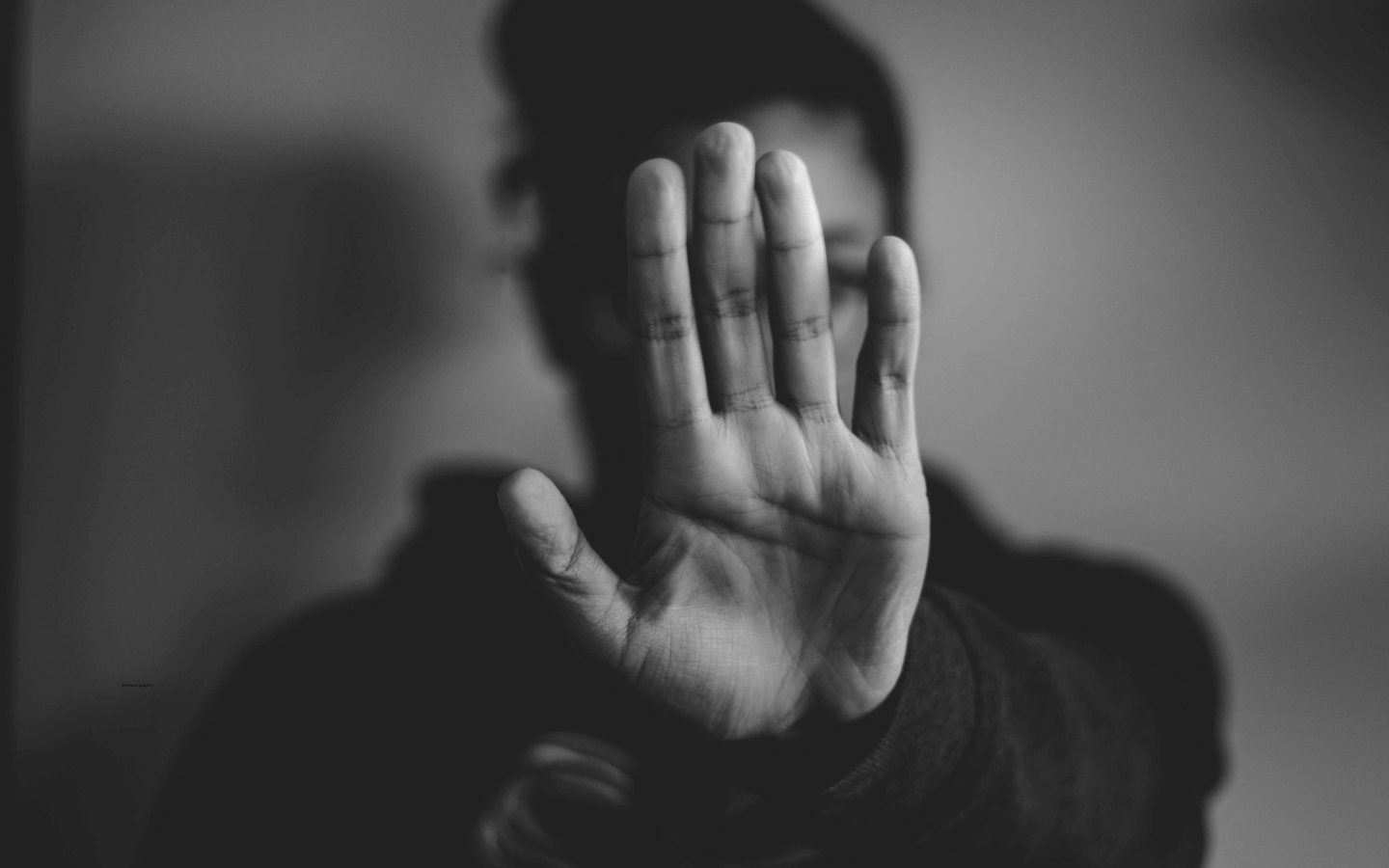
Sexual assault happens far too often on university campuses. Students experience sexual violence at social gatherings, within dating relationships, and elsewhere. Yet many incidents go unreported.
Survivors remain silent out of shame, fear, threats, or uncertainty about whether they will be believed. They also worry about how institutions and authorities may respond to their reports. There is still stigma about reporting such cases, as the victims are often blamed for the actions of the perpetrators. The Centers for Disease Control and Prevention (CDC) notes that survivors of sexual assault may not report because victims believe they will not receive help.
A recent civil lawsuit involving Cornell University students illustrates the atrocity of sexual crimes that happen on campuses that may or may not be reported. A former Cornell student filed a lawsuit in September 2026. She alleged that in 2024, seven men from Cornell’s Chi Phi fraternity drugged and sexually assaulted her for hours.
The Tompkins County District Attorney’s Office initially declined to bring criminal charges against the seven fraternity members named in the civil lawsuit, claiming insufficient evidence to support criminal prosecution.
The student, identified as Jane Doe, has since left Cornell.
This atrocity at Cornell reminds us how many sexual perpetrators are not held accountable. They are often only given “a slap on the wrist” while victims suffer physically, emotionally, and psychologically for years.
This is why conversations about sexual violence are so important. They speak to the need to hold perpetrators accountable and make them face consequences for their actions.
My daughter graduated from Cornell in 2023 and thoroughly enjoyed her time there, which makes me hesitant to address this issue. But this is not simply a Cornell problem. This sexual assault case is not an isolated event.
Sexual violence happens everywhere. We cannot keep pushing this difficult reality under the rug. The longer we do, the more violence against women will continue without any consequences.
We need to talk about sexual violence openly and frequently. We must listen to survivors. Most importantly, institutions need to take victims’ reports seriously and respond appropriately. They must create environments where victims can seek help without fear of dismissal or blame.
Women’s liberation has made significant strides, but progress toward equality does not mean that sexual violence against women and girls has decreased.
It is important to note that men can also be victims of sexual violence. The CDC reports that nearly half of women and more than one in six men have experienced some form of contact sexual violence during their lifetimes.
Sexual violence can be tied to intimate partner violence, occurring in various romantic relationships. It can include physical and/or sexual violence, and psychological aggression such as stalking.
Domestic Violence Awareness Month
October is Domestic Violence Awareness Month. It was first observed nationally in October 1981 as a “Day of Unity,” bringing advocates together around the goal of ending domestic violence. Forty-five years since this first “Day of Unity,” highlighting domestic and sexual violence is as important now as ever.
But awareness alone is not enough. We need institutions to respond justly when violence is reported. We need communities that believe survivors, protect their dignity, and refuse to normalize abuse.
As people of faith, we have a responsibility to speak about this and highlight it in our communities and churches. Every human being is created in the image of God.
Every person deserves dignity, safety, respect and bodily autonomy. No one should live in fear of someone who claims to love them.
We must stop protecting institutions at the expense of people who have been harmed. We cannot allow shame to fall upon survivors while perpetrators escape accountability.
We must stop treating sexual and domestic violence as private problems that belong behind closed doors. We need to keep bringing these realities into the light—not to sensationalize them, but to name them.
Silence will only allow it to continue.
- About the Author
- Latest Posts
Grace Ji-Sun Kim (Ph.D. University of St. Michael’s College) was born in Korea, educated in Canada and now teaches in the USA as Professor of Theology at Earlham School of Religion, Richmond, Indiana. She is the author or editor of 26 books, most recently, Earthbound: God at the Intersection of Climate and Justice.
Kim is the host of Madang podcast which is sponsored by the Christian Century. She blogs on her substack: Loving Life: Loving Life and has written for Huffington Post, The Nation, Sojourners, Baptist News Global, Faith and Leadership and TIME. Kim has appeared on MSNBC, PBS and C-Span. She has been a guest on BBC Radio, Soul Search Radio, WBEZ Radio, and Keep Hope Alive Radio. She is an ordained PC(USA) minister and enjoys being a guest preacher on most Sundays.