

This article details the healthcare advance directive and medical power-of-attorney process for the state of North Carolina. Documentation procedures vary by state.
Most people think an advance directive is a stack of legal paperwork they’ll deal with “someday.” In reality, it is a values document. It is a way of saying, “If I can’t speak for myself, then here’s what matters to me, and here’s who I trust to speak for me.”
As a hospital chaplain, I have watched families navigate medical decisions in moments of uncertainty. I have also seen how much easier those moments become when a patient has already named their wishes.
Advance directives do not remove grief, but they remove uncertainty about who is making the decision and what someone wants. They give families direction when everything else feels overwhelming.
An advance directive is not about death. It is about agency, making sure your voice is heard when you cannot speak.
A healthcare advance directive typically includes two important parts: a medical power of attorney and a living will. A medical power of attorney names the person who will speak for you if you cannot speak for yourself. This person should not simply be the loudest family member, the one who panics or the one who means well.
Your healthcare agent should be someone who understands your values, can tolerate pressure, communicates clearly, can make decisions in real time and will not default to their own preferences. This is the most important part of the document.
A living will outlines the kinds of medical interventions you would or would not want if you were unable to communicate. It may address things like ventilators, feeding tubes, dialysis and other life-prolonging treatments.
You do not have to predict the future. You only have to name your values and what matters to you if your health becomes fragile.
In North Carolina, if you do not choose someone to make medical decisions for you, then the law assigns a medical decision-maker. This often creates confusion because the legal default may not match the person you would actually want speaking on your behalf.
This is the part most people do not realize: The document overrides the default process. Surgeons and doctors will often recommend that you have an advance directive in place in case something happens. It ensures the right person is speaking on your behalf.
There is no federal database of these forms. Your healthcare professional will only know your wishes once you provide a copy of your healthcare advance directive.
Advance directives matter in real life because they create clarity. They do not eliminate the emotional weight of difficult moments, but they give families a starting point.
They give clinicians direction. They make decision-making more aligned with the patient’s values.
People often have honest questions about advance directives. They may ask, “Does this mean I’m dying?”
The answer is no. It means you are planning. It is in the same category as a will, but it applies to medical decisions.
Others ask, “What if I change my mind?” You can at any time. Advance directives are living documents.
Some worry about what happens if their family disagrees. Your agent’s job is to follow your wishes, not theirs. The document gives them the authority to do that.
Others may say, “What if I don’t know what I want?” You do not need perfect clarity. You only need to know your values.
Do you prioritize time or quality of life? Do you want everything done, or only what helps you recover? Who do you trust to speak for you? Values guide decisions better than checkboxes.
Advance directives are also not just for older adults. Accidents, strokes, trauma and sudden illness do not check your age.
This is why chaplains often talk about advance directives. They are not just legal documents; they are values documents. They are about communication, clarity, relationships, decision-making and what matters most when life becomes uncertain.
That is chaplaincy work. Not because chaplains handle paperwork, but because chaplains understand the emotional and relational weight behind these decisions.
Advance directives are not about death. They are about how you want your values honored when you cannot speak for yourself.
- About the Author
- Latest Posts
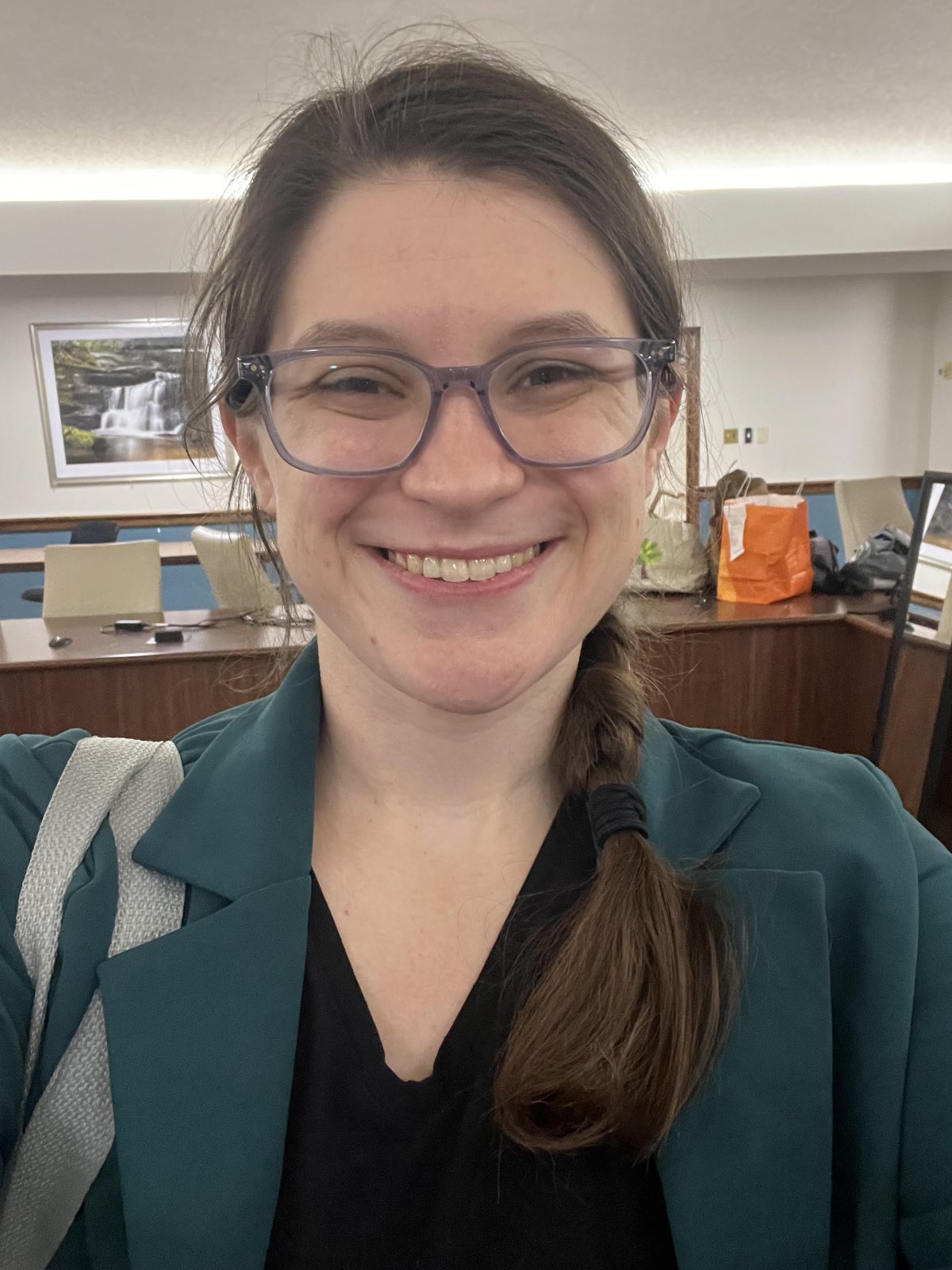
Baptist minister, graduate of Campbell Divinity School, and a neurodivergent advocate.