
Chaplaincy and life have taught me what makes or breaks a person is how they encounter and interact with suffering.
Unfortunately, in the place of mercy, I grew up in a world that mistook hardness for strength. Violence was ordinary.
Silence was expected. Approval of others and endless consumption while ignoring the truth were the only skills anyone seemed to value.
And yet, somehow, I didn’t lose my softness. Not because life was gentle (It was brutal.) or because I was protected. But because something in me refused to disappear.
Call it instinct.
Call it defiance.
Call it God.
Whatever it was, it kept my sanity and sense of self when everything around me said it should have gone out. That refusal, that small, steady continuity, is the thread that runs through everything that follows.
Softness Was Never the Fragile Part
People assume softness is naïve, something easily “broken”, something that can’t survive contact with the real world. But the softness I carried wasn’t innocence. It wasn’t sentimentality or a refusal to see reality.
My softness was clarity. It was the ability to see humanity in places where humanity was not offered.
It was the refusal to let cruelty become my native language. It was the part of me that could still recognize what was true, even when truth was inconvenient.
Softness wasn’t the opposite of strength. It was the opposite of a rotting soul.
But clarity alone doesn’t explain how softness survived the environments that tried to erase it. To understand that, you have to look at what those environments demanded.
The World Tried to Harden Me
Violence teaches you to shut down. Neglect teaches you to disappear. Chaos teaches you to brace for impact.
I learned all of that. I wore the armor.
I adapted to rooms I should never have been in. I became competent because competence was the only safe option.
But the armor never reached my core. There was a part of me that stayed untouched, not because life was kind, but because I refused to let the world define the whole of me.
That untouched part is the one that carried me, even when the rest of me was exhausted.
The Part That Refused to Die
There was always a quiet, stubborn presence inside me that said: “There’s got to be more than this.”
It wasn’t optimism. It wasn’t denial. It wasn’t hope in the sentimental sense.
It was a form of internal resistance—a refusal to let my environment decide who I would become.
Some people call that God. Some call that having a soul.
Some call that being stubborn.
I don’t need to name it. I know it kept me human in ways survival alone couldn’t.
And that internal resistance didn’t just preserve softness; it transformed it into something lighter.
Softness as a Form of Resistance
In a world that rewards hardness, staying soft is a kind of rebellion.
Softness is:
- discernment
- compassion with boundaries
- strength without cruelty
- presence without collapse
- humanity that refuses to die
Softness is not what breaks. Softness is what remains when we have agency to show mercy.
It’s what allows you to walk through a violent world without becoming a violent person. It’s what lets you see clearly without losing your ability to care. It’s what keeps you from mistaking numbness for wisdom.
Softness is not weakness. Softness is what survived. And once you see softness as survival, the conclusion becomes simple.
The Clean Truth
I didn’t lose my softness because it was never the fragile part of me. It was the truest part: the part that refused to die, the part that kept me human in a world that tried to make me something else.
Call it God if you want to. I’m still figuring that one out.
- About the Author
- Latest Posts
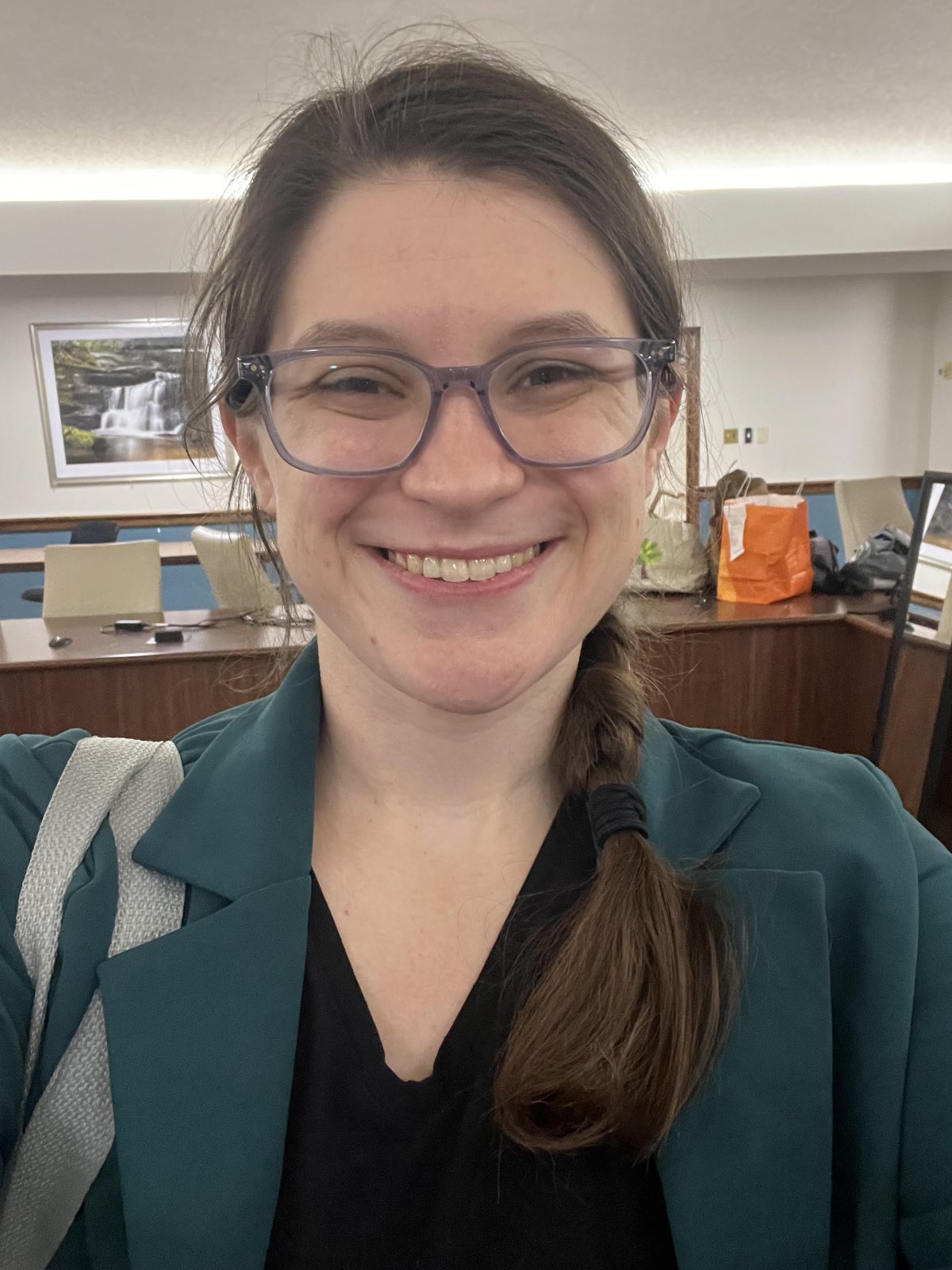
Baptist minister, graduate of Campbell Divinity School, and a neurodivergent advocate.