
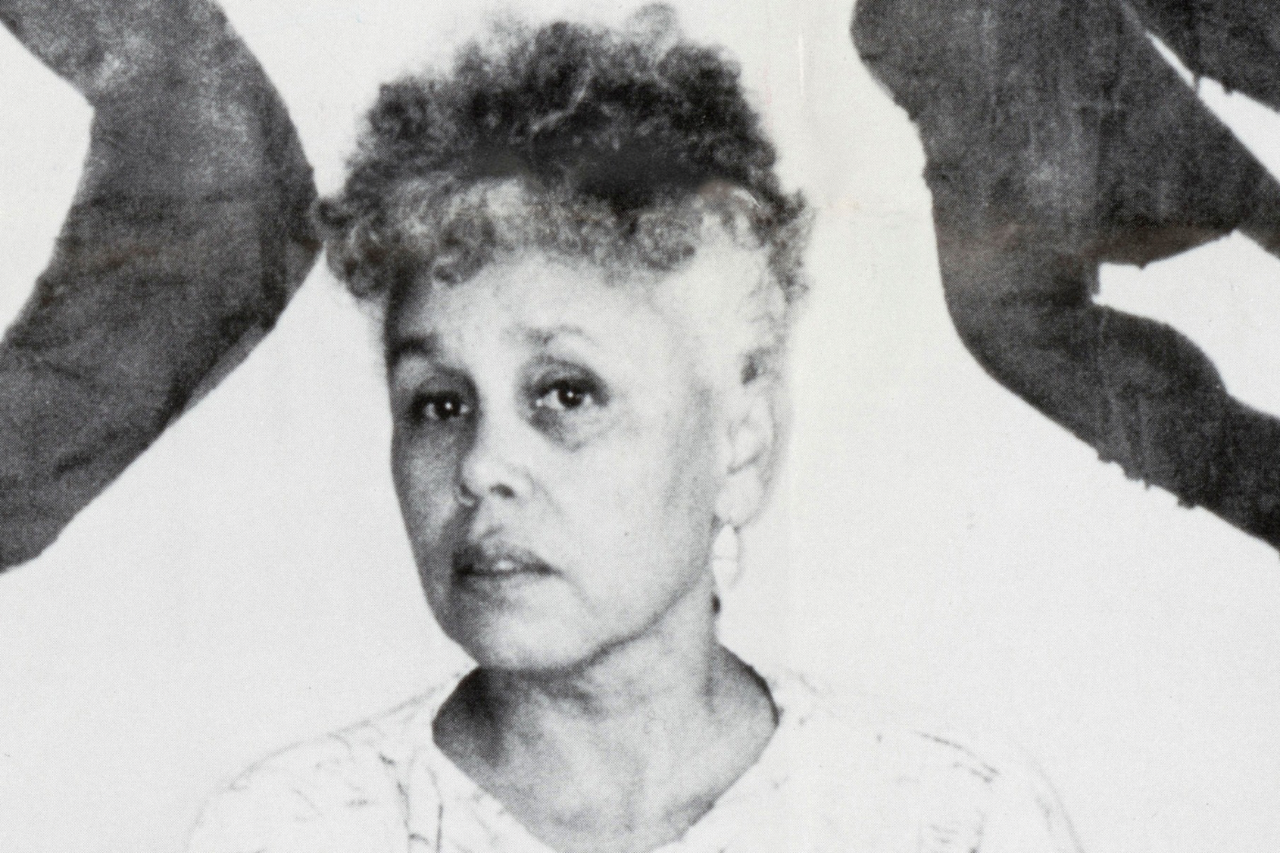
Betye Saar transformed derogatory Jim Crow-era memorabilia and racist caricatures into empowering symbols of political resistance and self-liberation. The assemblage art pioneer died on July 26. She was 99 years old.
Saar studied design at the University of California, Los Angeles, graduating in 1949. She shifted from design to printmaking and after viewing a 1967 Joseph Cornell exhibition at the Pasadena Art Museum, began including prints and drawings into window frames. Saar would later pioneer mixed-media assemblage.
She was one of the most influential leaders in the Black Arts Movement, which sought to reject “white” aesthetic standards. The Black Arts Movement actively dismantled racist myths by redefining cultural identity and reclaiming self-representation.
Key strategies included rejecting racist standards by celebrating natural hair, diverse skin tones, and traditional African clothing. The movement also promoted the “Black is Beautiful” campaign, centering African heritage and producing independent community-based art.
Saar would be a regular contributor, turning the power dynamics of race on its head by using discarded and reclaimed everyday objects. She used bigoted trinkets like Sambo dolls, ceramic mammies, and pickaninny renderings, ads, and vintage advertising in her work, which became increasingly political after the assassination of the Rev. Dr. Martin Luther King, Jr.
“After the assassination of Dr. Martin Luther King, I felt such rage. On the television, you could just turn to any station and see people marching—and the Police Department and the Fire Department turned fire hoses and dogs loose on them,” Saar said.
She continued, “It was really kind of vicious and brutal. So, the anger just built and built. I had three kids, so I couldn’t march and I couldn’t get down there. But I could make art.”
And make art she did. Saar employed her art to subvert what had been meant to be demeaning, practicing a kind of creative reuse. Images intended to humiliate were recreated as testaments to African American dignity.
In doing so, Saar reclaimed the narrative. “It is my goal as an artist to create works that expose injustice and reveal beauty,” Saar said of her art practice.
Although she may be best known for “The Liberation of Aunt Jemima,” in which a racist mammy figure and commercial stereotype is transformed into a resistance fighter armed with a hand grenade and a rifle, I met Betye Saar by way of a book cover for Betye Saar: Black Girl’s Window. Her 1969 “Black Girl’s Window” had been acquired by the Museum of Modern Art (MOMA) in 2019; a result of the acquisition was the book I was holding in my hands, now unable to put it down.
I couldn’t even explain what I was seeing but I knew Betye Saar was looking at me. That girl with those eyes was speaking to me. Those hands could have been mine.
I placed my hands on the girl’s hands and wondered what it was she saw in her world. I wondered if she could see me and what she thought of the current state of things.
The girl’s hands pressed firmly against that windowpane and all the frames around her told stories of love and power, life and death, while featuring astrological symbols and constellations. It was all so grounded and cosmic, connected in various ways.
The frames also featured a sun, a crescent moon, a red moon, and six-pointed stars. Saar explained her goal: “to create an occult atmosphere which will leave a strong impression of the vague and unexplained in the mind of the viewer and to give his imagination free rein to explore the mystery of human destiny, of change, of fate, and the quest of knowledge of the future.”
“Black Girl’s Window” is both deeply personal and mystical. “Even at the time, I knew it was autobiographical,” Saar said.
It is likely why I could see both Saar and me in it. Such is the way of this kind of artist.
“It may not be possible to convey to someone else the mysterious transforming gifts by which dreams, memory, and experience become art,” Betye Saar said. “But I like to think that I can try.”
Betye Saar died having done it. Of this, I am a witness.
- About the Author
- Latest Posts
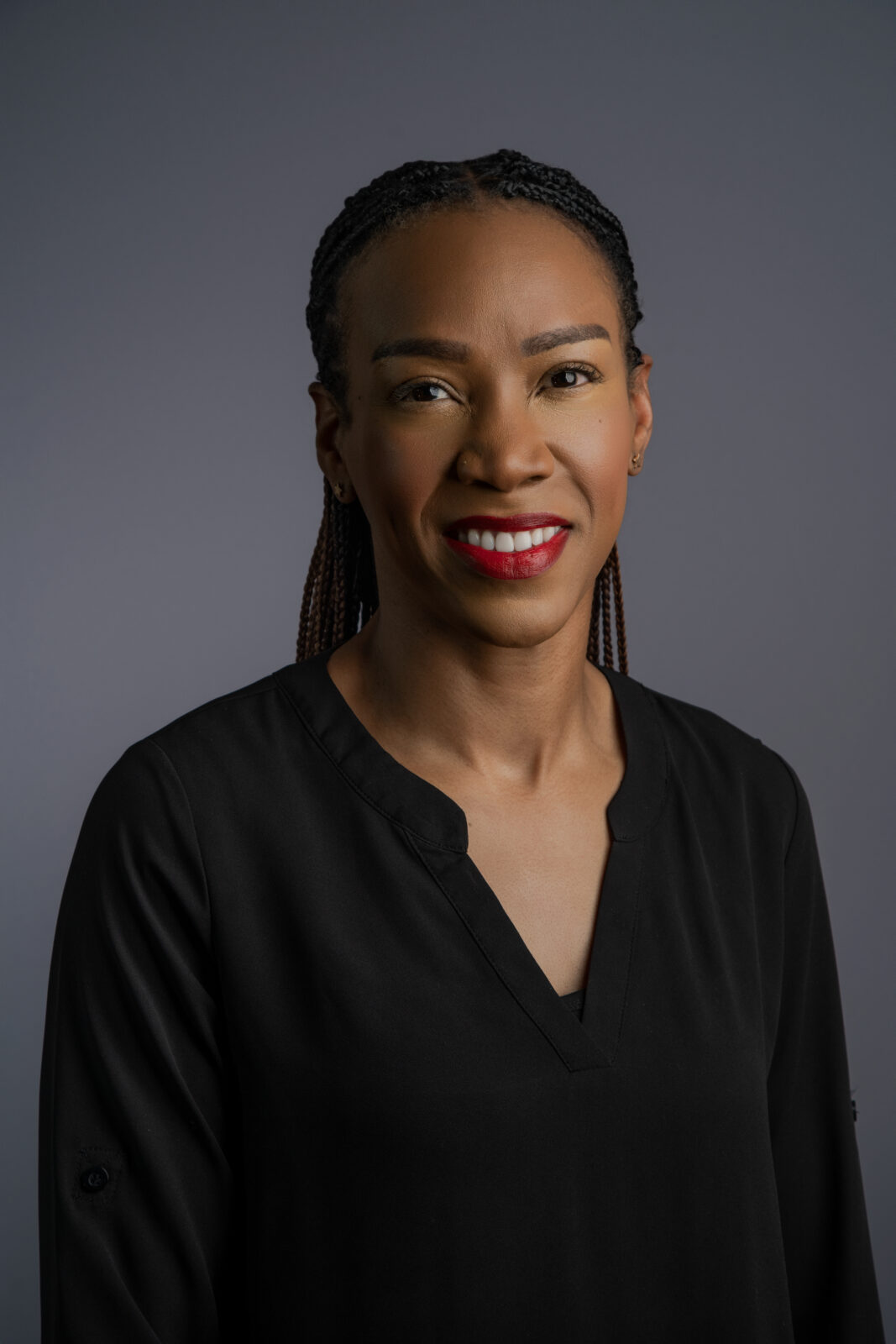
Director of The Raceless Gospel Initiative, an associate editor, host of the Good Faith Media podcast, “The Raceless Gospel” and author of Take Me to the Water: The Raceless Gospel as Baptismal Pedagogy for a Desegregated Church.