
Sexual abuse is not just a problem in Hollywood and university frat houses. It is occurring in our churches, schools, workplaces, and homes, and among people of all different backgrounds and identities. It often happens where people feel most safe.
Wherever these abuses occur, the institutions that should be protecting people sometimes become the institutions that silence victims. We saw this occur at Cornell University and in many religious organizations across the United States.
We cannot remain silent but must confront the abuse of power, listen to survivors, challenge institutional complicity, and create communities where abuse does not exist.\
Celebrities and Sexual Abuse
Recent events involving prominent public figures have once again brought sexual violence and the abuse of power into the headlines. British comedian and actor Russell Brand was convicted of one count of rape and three counts of sexual assault involving four women and has been sentenced to 10 years and six months in prison. The survivors testified about offenses that occurred between 2004 and 2009.
After Brand’s conviction, six more women came forward with new allegations, revealing the scope of the problem.
British comedian and children’s author David Walliams has also recently been accused of sexual assault, including allegations involving teenage girls. On November 13, the Metropolitan Police confirmed that they had opened a criminal investigation into separate allegations of sexual offenses and were also reviewing the published reporting. Walliams has denied wrongdoing.
Brand’s crimes and the allegations against Walliams are disturbing and raise important questions about the celebrity, privilege, and power that these men hold.
Sexual Abuse in Our Churches
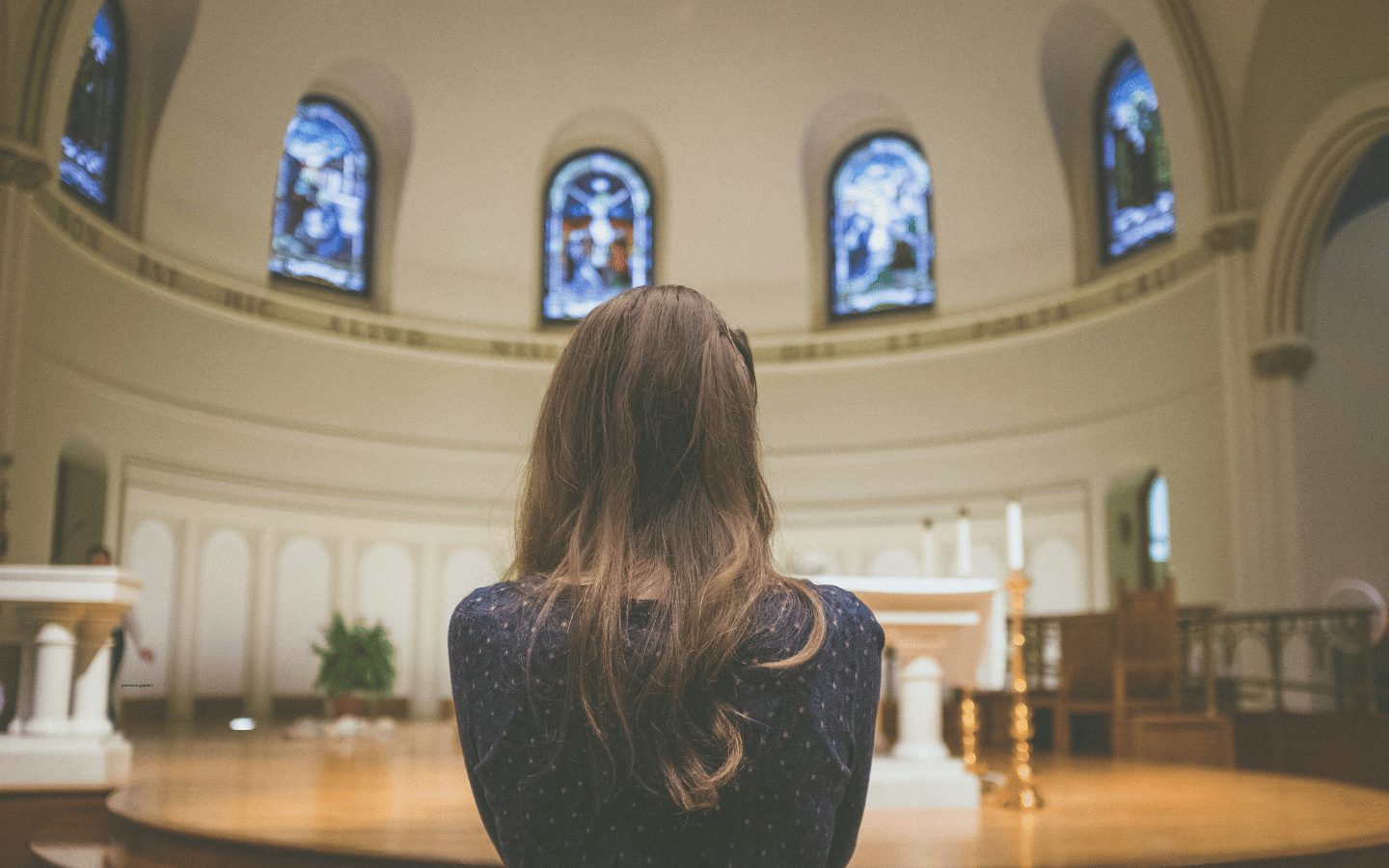
Sexual abuse is not just occurring among celebrities. It also occurs in churches, places that are supposed to nurture community, refuge, healing, and spiritual nourishment. Yet some churches have become places where sexual abuse has occurred between leaders and laity, clergy and congregants, and youth pastors and their youth members.
When these abuses occur in our churches and faith communities, the allegations must be taken seriously. The reputations of offenders and the church must never override the safety and dignity of victims of sexual abuse.
Jesus always paid attention to those who were most vulnerable, marginalized, and harmed by powerful people. He challenged religious authorities who used their positions to burden others rather than serve them.
Churches must follow Jesus’ example in responding to abuse. We cannot preach love on Sunday and ignore the suffering of survivors throughout the week.
Christianity teaches that everyone is created in God’s image (Genesis 1:26–27). Every person possesses inherent worth and deserves to be treated with dignity, respect, honor, and compassion. Sexual abuse and assault violate this fundamental understanding of human dignity, treating another person as an object to be manipulated rather than as a beloved child of God.
Faith Is Action
The church must not ask survivors what they were doing or wearing or why they did not speak sooner about the sexual abuse. These questions are invalid.
Instead, we need to begin asking why perpetrators were allowed to harm people and why the church is protecting them. We need perpetrators to be held accountable for their terrible actions and punished for their crimes.
People of faith are expected to work for justice (Micah 6:8) and have compassion and mercy for those who have been hurt. Isaiah 1:17 calls us to learn to do good, seek justice, rescue the oppressed, and defend the vulnerable.
These fundamental biblical teachings challenge churches to take concrete action to hold perpetrators accountable and support victims. Churches must be safe places where survivors are believed and supported. This requires a fundamental commitment to creating safer communities, respecting victims, and ensuring no further abuse happens.
Churches can begin by addressing patriarchal structures that have shaped the church and theology, allowing such abuse to occur. We need to reexamine our patriarchal language about God and the patriarchal liturgies, prayers, and hymns.
Churches must be courageous and confront abuse, even when the allegations involve influential leaders or beloved members. Religious leaders cannot protect their positions or shield their churches from a bad reputation but must serve their communities with integrity.
Protecting vulnerable people is part of Christian discipleship. We need to remember that survivors are not problems to be managed but are human beings deserving of healing, compassion, and justice.
The church should be a sanctuary for the vulnerable and not a hiding place for perpetrators of sexual abuse. Our faith calls us to love our neighbors, seek justice, and protect the vulnerable. Breaking the silence on sexual abuse is not an attack on the church but an opportunity for the church to live more faithfully into its ministry.
- About the Author
- Latest Posts

Grace Ji-Sun Kim (Ph.D. University of St. Michael’s College) was born in Korea, educated in Canada and now teaches in the USA as Professor of Theology at Earlham School of Religion, Richmond, Indiana. She is the author or editor of 26 books, most recently, Earthbound: God at the Intersection of Climate and Justice.
Kim is the host of Madang podcast which is sponsored by the Christian Century. She blogs on her substack: Loving Life: Loving Life and has written for Huffington Post, The Nation, Sojourners, Baptist News Global, Faith and Leadership and TIME. Kim has appeared on MSNBC, PBS and C-Span. She has been a guest on BBC Radio, Soul Search Radio, WBEZ Radio, and Keep Hope Alive Radio. She is an ordained PC(USA) minister and enjoys being a guest preacher on most Sundays.