
August 26 is forever etched in my mind and body, and it will always hold a special place in my heart. It was a very hot and humid summer day when I went to the hospital at six in the morning and, after much difficult labor, gave birth to my firstborn at 9:23 p.m.
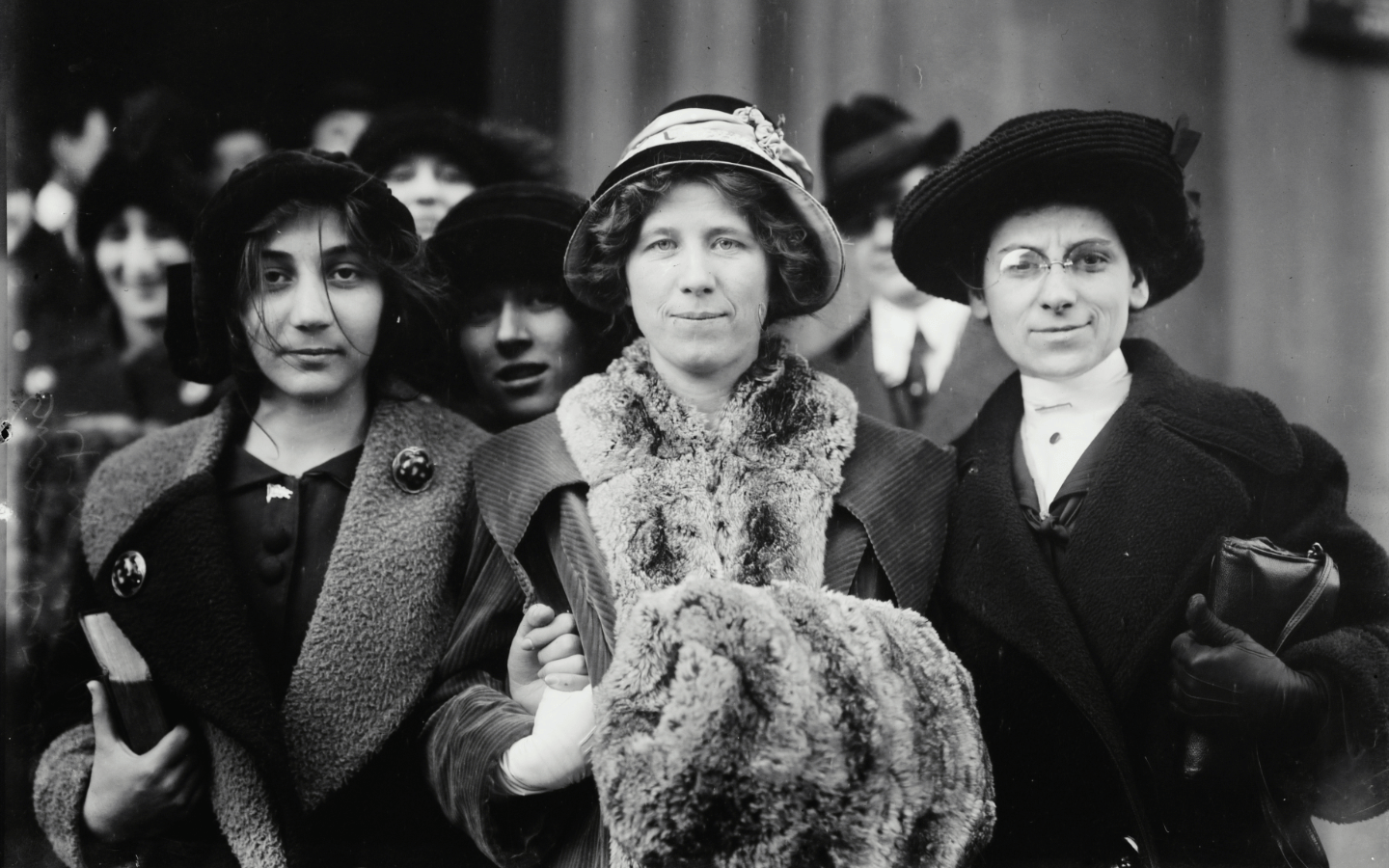
August 26 is special for another reason. On that day, we celebrate the certification of the 19th Amendment, which granted many women in the United States the right to vote.
Women’s Equality Day
In 1971, Representative Bella Abzug pushed Congress to designate August 26 as Women’s Equality Day.
Women’s fight for voting rights began in the mid-19th century, when several generations of suffragists marched, wrote, lobbied, and practiced civil disobedience. Some held vigils and went on hunger strikes.
Many were met with fierce resistance as opponents heckled, imprisoned, and physically abused them. Then, in 1917, New York adopted women’s suffrage. President Wilson supported an amendment in 1918.
On May 21, 1919, the U.S. House of Representatives passed the amendment. Two weeks later, the Senate passed it, and on August 26, 1920, Secretary of State Bainbridge Colby signed a proclamation that transformed the American electorate. However, the amendment didn’t extend voting rights to all women.
Black women were effectively not allowed to vote until the passage of the Voting Rights Act of 1965, which prohibited racial discrimination in voting. In 1975, the “minority languages provision” of the Voting Rights Act allowed most Asian American and Pacific Islander (AAPI) women, Native Americans, Hawaiians, members of the Latino community, and others the right to vote. Women’s Equality Day honors the continuing commitment to fight for equal rights for women.
Congress first celebrated it in 1972 and designated it as a national observance in 1973. The day reminds us to work toward a just society where women have an equal voice and can achieve full equality in all aspects of life.
Much work remains and we must actively promote awareness of pay gaps and equal opportunity. We must move beyond symbolic recognition toward substantive equality and justice.
A Call to Justice
Equality is not just a political ideal. It is a theological imperative grounded in the belief that everyone bears the image of God.
Church history is dominated by patriarchy, but we must work for the equality of women, as a gap remains between legal equality and lived equality. There are persistent inequities and problems regarding women’s leadership and representation.
Many denominations continue to limit and restrict women’s gifts, refusing to ordain them. Women continue to be victims of domestic violence, and many churches remain silent about this harmful and destructive problem.
Violence against women causes physical, sexual, and psychological harm. Women of color continue to face racism and sexism, as intersecting forms of discrimination can render women invisible and marginalized.
The church needs feminist theology to push boundaries and understand that God is inclusive, accepting, loving, and embracing of all people. If women have equal rights under the law, then why does the church still struggle to recognize women’s full equality?
Women’s Equality Day reminds us that justice is never complete. Much work lies before us.
As people of faith, we are called not only to celebrate the progress that has been achieved but also to dismantle the systems that continue to deny women their full humanity and flourishing.
Equality Is Holy Work
Working for equality is a spiritual practice and holy work. Equality is not simply about legal rights; it is about whether women are truly able to flourish in every sphere of life.
Women’s Equality Day goes beyond commemorating the past. It invites us to continue the work of justice.
The church has an opportunity and a spiritual responsibility to embody the radical equality proclaimed in the gospel. When women are fully seen, heard, and empowered, the whole community reflects God’s image.
Jesus showed us the way. He revealed his resurrected body to a woman, Mary Magdalene, a highly significant and prophetic moment. Mary became the first apostle and shared the good news with the disciples.
The Spirit of God is poured not just upon men but upon all people (Joel 2:28) and the Spirit empowers us all to actively engage in doing God’s work of justice. Working for women’s equality is participating in God’s reign as we are called to build the kin-dom of God here on earth.
Women’s Equality Day is a wonderful occasion to extend that theological vision and emphasize that true equality means not only equal rights but also the full recognition of women’s gifts, leadership, and humanity within the church and the wider world.
Much work remains before us.
- About the Author
- Latest Posts
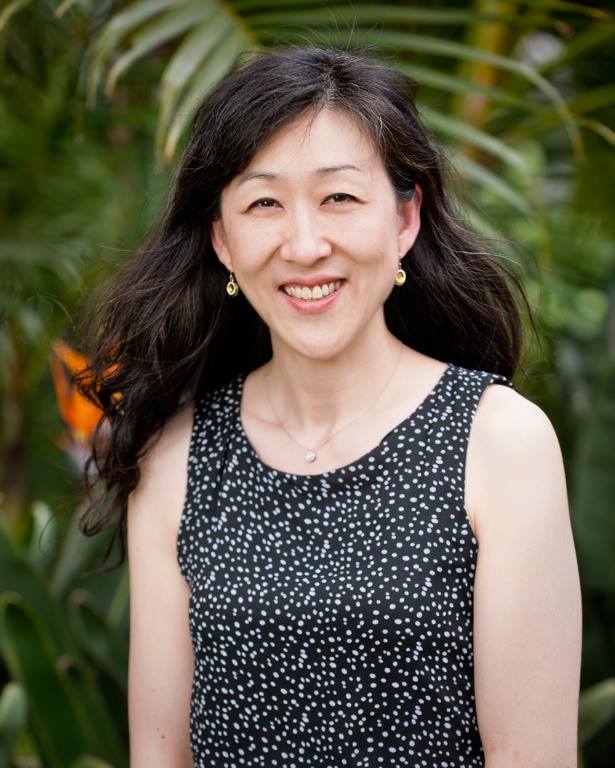
Grace Ji-Sun Kim (Ph.D. University of St. Michael’s College) was born in Korea, educated in Canada and now teaches in the USA as Professor of Theology at Earlham School of Religion, Richmond, Indiana. She is the author or editor of 26 books, most recently, Earthbound: God at the Intersection of Climate and Justice.
Kim is the host of Madang podcast which is sponsored by the Christian Century. She blogs on her substack: Loving Life: Loving Life and has written for Huffington Post, The Nation, Sojourners, Baptist News Global, Faith and Leadership and TIME. Kim has appeared on MSNBC, PBS and C-Span. She has been a guest on BBC Radio, Soul Search Radio, WBEZ Radio, and Keep Hope Alive Radio. She is an ordained PC(USA) minister and enjoys being a guest preacher on most Sundays.