
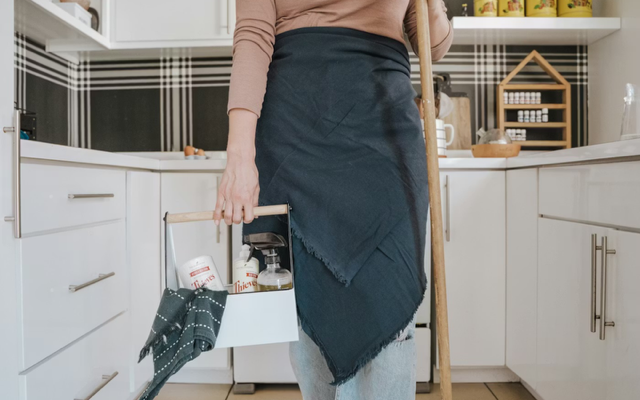
It’s Her Month, also known as Women’s History Month, which began as “Women’s History Week” in 1978. But saying herstory is not sufficient to balance the scales of history. Because history needs more than “a woman’s touch.”
Women’s History Month acknowledges and honors the contributions and achievements of women throughout American history and around the world. The month-long celebration also highlights women’s leadership in cultural, social, and political movements, aiming to correct historical gaps and inspire future generations.
More than a wordplay and feminist neologism credited to Robin Morgan, it remains true that women need to say and write more to emphasize the role of women and tell stories from her point of view. Because the silencing and subsequently expected invisibility of women is more than a semantic argument. It’s a historical problem.
There are countless stories of women who lose their voice to patriarchal structures. Some are even sacrificed by other women to preserve the “conventional,” male-dominated perspective.
Sociological analysis captures systemic, cultural, and social norms that prioritize male authority and restrict girls’ and women’s self-expression, autonomy, and participation in public and private life. Couple this with a marginalized and/or racialized identity and the intersectionality only increases your chances of not being heard.
Women are socialized into silence. We are taught to prioritize the needs of others and this includes the need to be heard—even at the cost of our own voices.
Conditioned to be polite, quiet, and nurturing, girls and women who express themselves confidently are often labeled “aggressive” or “bossy” while boys and men who exhibit the same behavior are viewed as “authoritative” and “self-assured” natural leaders. These double standards force women to regulate their speech to avoid backlash.
When I was a child, I used to talk. But it didn’t take long for me to realize adults in the South don’t want to hear from children.
It is doubly true if you are a girl. “To be young, Black, and a girl is to be a part of one of the most disenfranchised, socially excluded communities,” Khristi Lauren Adams wrote in Womanish Theology: Discovering God through the Lens of Black Girlhood.
It is likely why I began journaling, why blank pages became my safe space when faced with blank stares from adults. I decided then and now to just write it down rather than to speak.
Girls are conditioned to be silent and submissive, to hold their tongues so as not to be labeled emotional, bitter or angry, which quells self-expression. It is all a calculated and soulishly vicious cycle, wherein those girls become women who would rather bite their tongues than be labeled difficult.
This is especially true of African American women, whose femininity has been historically denied. Rooted in chattel slavery and viewed as hypermasculine and hypersexualized, a stereotype constructed to contrast with 19th-century Victorian ideals of wispy and virtuous womanhood, this devaluation justifies abuse, denies vulnerability, and forces an often-damaging façade of strength.
The “Strong Black Woman” is a gendered racial archetype that expects women racialized as black to embody hyper-resilience, be self-sufficient, and be the caregiving type. Neglecting self-care, African American women are expected to be the “strong and silent type,” which poses mental and physical health risks.
All of this, only to be gaslit about our experiences. So, write it down, journal it, create a blog, and/or submit it to a traditional publishing house or self-publish it. Because “if you are silent about your pain, they will kill you and say you enjoyed it,” Zora Neale Hurston warned us.
Tell your half of it. Tell your side of the story. Bookend and balance it so the account of your existence is not one-sided, lop-sided.
“We write because language is the way we keep a hold on life,” bell hooks explained in Remembered Rapture: The Writer at Work. Yes, words will help you get a hold of yourself and your tongue.
Because you should have a say in how you are remembered. So, I invite you to reframe the narrative and create your own body of work, as you are the authority on the “me of me.”
In addition to new words, we need new female narrators—not tasked with cleaning up history but chronicling, documenting, and archiving our own narratives. This month is as good as any other to get started.
- About the Author
- Latest Posts
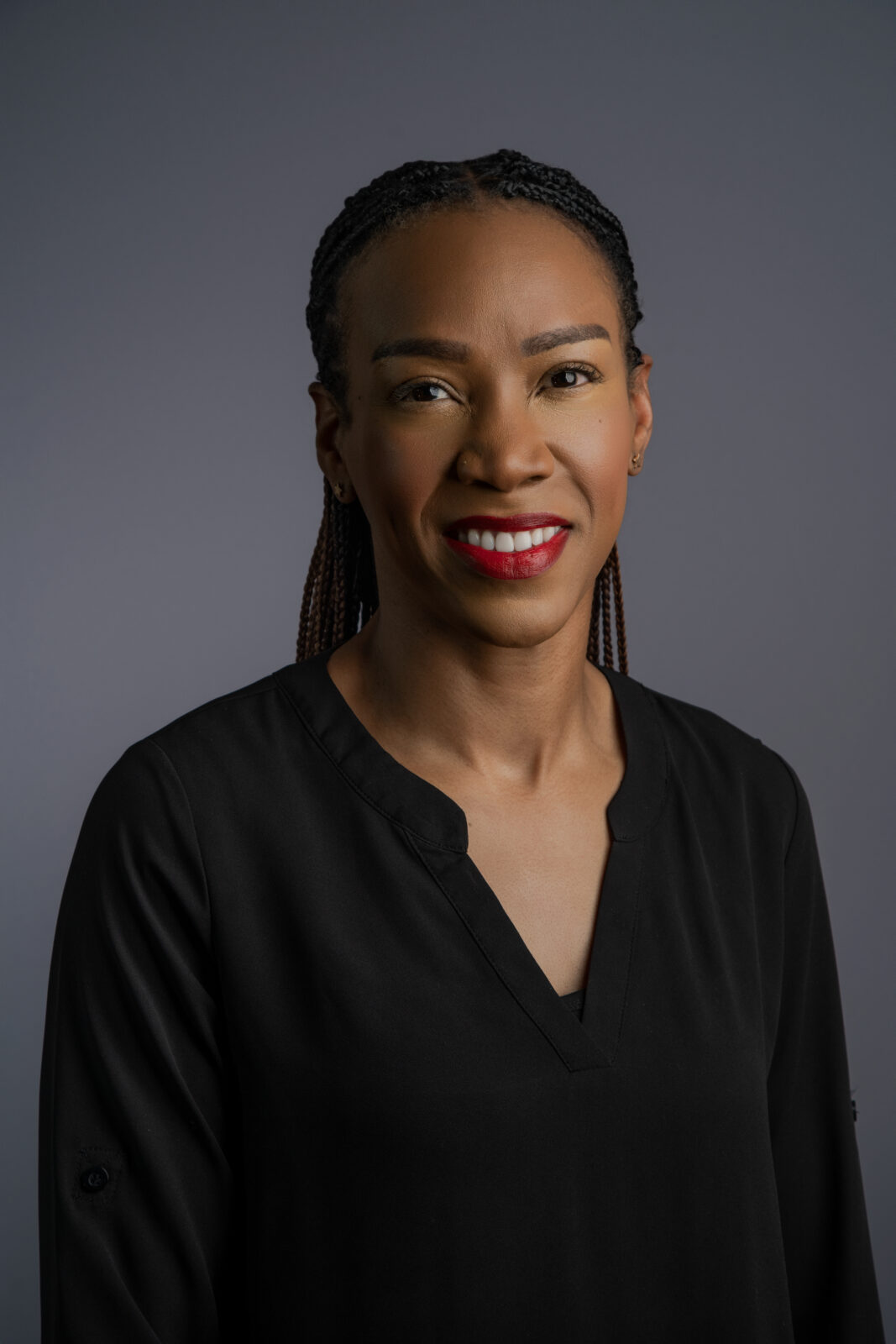
Director of The Raceless Gospel Initiative, an associate editor, host of the Good Faith Media podcast, “The Raceless Gospel” and author of Take Me to the Water: The Raceless Gospel as Baptismal Pedagogy for a Desegregated Church.