
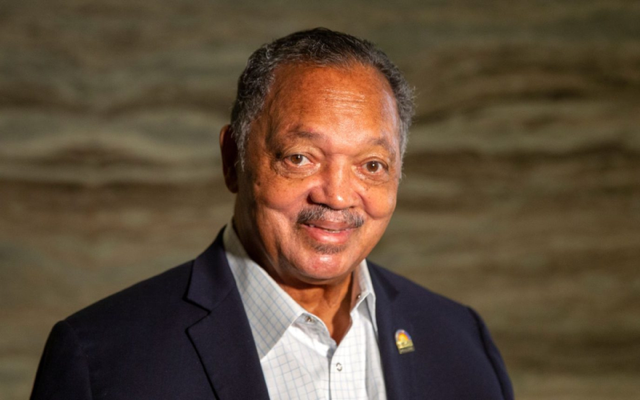
Born in Greenville, South Carolina in 1941, Jackson was not a man of his times but ahead of his time, refusing to reflect American social and cultural norms or accept them for the country’s citizens. He advocated for increased federal funding for social programs, universal healthcare and education. He demanded a shift in budget priorities in favor of social spending over defense, targeting poverty, racism and inequality.
“Before there were ‘progressives’ fighting against income inequality… before there were anti- apartheid activists… before there were warriors against the 1% elite, there was Rev. Jackson,” Rev. Dr. Otis Moss III, senior pastor at Trinity United Church of Christ in Chicago, Illinois, said on social media. “Before there were activists fighting for Palestinian dignity… before there was a fight for affordable health care for all… before there were environmental activists… before there was the modern solidarity movement, there was Rev. Jesse Jackson.”
Headquartered in Chicago, Illinois, Jackson led the Rainbow PUSH Coalition for five decades before stepping down due to health issues. An offshoot of his 1984 presidential campaign and inspired by the Rainbow Coalition founded in 1969 by Black Panther Party leader Fred Hampton, the aim remains to bridge racial and socio-economic divides to fight against capitalism, racism and class oppression.
“If my mind can conceive it, my heart can believe it, I know I can achieve it,” Jackson famously said. More than motivational speech or blind optimism, he affirmed the power of mental simulation to overcome human barriers.
Jackson is described as “a transformative leader whose life’s work is deeply woven into the history, mission, and enduring impact of our Association and the nation,” in an NAACP statement. “He challenged this nation to live up to its highest ideals, and he reminded our movement that hope is both a strategy and a responsibility,” NAACP Chairman Leon W. Russell, NAACP’s Vice Chair Karen Boykin Towns, and President & CEO Derrick Johnson said in the joint statement.
Known for iconic calls to action and enduring affirmations, Jackson’s oratory has long been celebrated. His rhetoric often focused on empowerment, justice, and unity.
Jackson often said, “I am—somebody!” Dignity for all, somebodiness was an open call for all ages.
Somebodiness is an affirmation of personhood. While a response to oppressive systems, restrictions, conditions, customs and traditions, it is a given, an innate sense of being and belonging wherever you are.
It is not just being seen but being known as you are rather than how you are perceived to be. It is a refusal to succumb to the daily indignities, slights, microinsults and microaggressions of a racialized society. Somebodiness is self-determining and operates outside of the fluctuating political meanings of social identities rooted in what Elisabeth Schussler Fiorenza describes as “relationships of ruling.”
Not merely a bold statement, it required a response. When Jackson said to the crowd, “I am—somebody!”, they were expected to repeat it.
Because there is power in this communal agreement. Ubuntu, a South African philosophy translated “I am because we are” and the personal declaration “I am somebody!” are closely related.
While Jackson is historically remembered as one who often stood at the side of Martin Luther King, Jr. during the Civil Rights Movement, he is also known for his appearance on Sesame Street in 1971. Whether sanitation workers or children, Jackson’s message of somebodiness was intergenerational.
“No one should look down on you, but sometimes mean people do,” Jackson said at the 1988 Democratic National Convention. “The only justification we have for looking down on someone is that we’re going to stop and pick them up.”
While Jackson’s death closes a chapter in American civil rights history, his words and this prophetic call and response remain: “I am—somebody!”
- About the Author
- Latest Posts
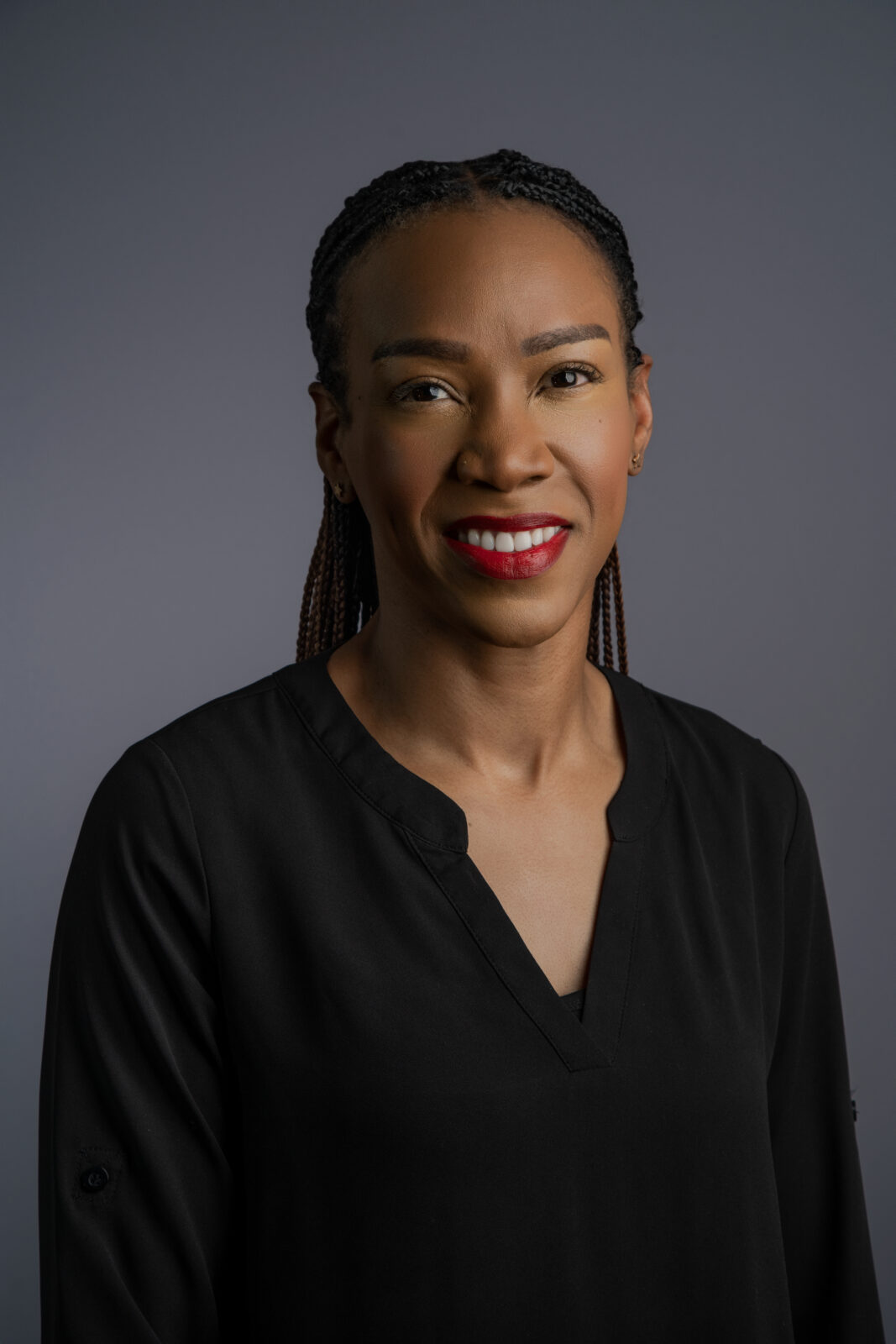
Director of The Raceless Gospel Initiative, an associate editor, host of the Good Faith Media podcast, “The Raceless Gospel” and author of Take Me to the Water: The Raceless Gospel as Baptismal Pedagogy for a Desegregated Church.