

Many neurodivergent women spend their entire lives thinking something is wrong with them, when the truth is simpler and far more devastating: They were unsupported, misunderstood and expected to survive without the tools everyone else took for granted.
A diagnosis doesn’t create this reality; it exposes it.
For years, neurodivergent women have been misdiagnosed, dismissed, or praised for their “strength,” all while silently drowning. Society didn’t see them because it wasn’t looking.
A late diagnosis doesn’t just explain their past; it indicates the structures that failed them.
If you’re a newly diagnosed neurodivergent woman, here’s the truth no one says out loud: Your life has been harder than it should have been—not because you were broken but because you were navigating a world that never recognized you.
Your diagnosis isn’t a label. It’s a mirror that finally reflects reality.
To Every Newly Diagnosed Neurodivergent Woman: What No One Told You
You didn’t imagine it. Your life really has been harder than it should have been.
Many neurodivergent women spend years— sometimes decades—believing they are “too much,” “too sensitive,” “too intense,” or “too serious.” What you were actually doing was surviving without the support, understanding or structure your brain needed.
You weren’t dramatic.
You weren’t weak.
You weren’t failing.
You were adapting.
And you were doing it alone more often than anyone realized.
You carried more than your share.
Before diagnosis, many women learn to:
- mask their overwhelm,
- over-function to compensate,
- read the room before anyone else,
- anticipate others’ needs,
- hold emotional weight that wasn’t theirs, and
- stay steady while others fall apart.
These aren’t personality quirks. They’re survival strategies.
You became responsible because no one else stepped in. You became perceptive because you had to be. You became strong because there was no other option.
None of that means you were supported. It means you were resourceful.
You weren’t chosen because you were “useful.” You were chosen because you were steady.
Many neurodivergent women grow up believing people only come to them when they need something. And sometimes that’s true. Some people did rely on you without offering anything back.
But here’s the deeper truth:
People gravitate toward steadiness.
People trust clarity.
People feel safer around someone who sees the world deeply.
Those are human qualities, not transactional ones.
If people leaned on you, then it wasn’t because you were a tool. It was because your presence made things feel less chaotic.
That doesn’t erase the pain of being under‑ supported. But it does mean your value was never limited to what you provided.
Your exhaustion is not a character flaw. It’s evidence.
Years of masking, compensating, and carrying invisible weight leave marks, including:
- burnout,
- emotional numbness,
- self-doubt,
- confusion about your identity,
- difficulty trusting your own needs, and
- difficulty believing others could show up for you.
These aren’t failures.
They’re symptoms of a life lived without the right framework.
Your diagnosis doesn’t create these truths; it explains them.
You deserved more support than you received.
This is not about blame. It’s about clarity.
You deserved:
- people who checked in,
- people who initiated,
- people who didn’t make you earn your place, and
- people who saw your humanity, not just your competence.
If you didn’t get that, it’s not because you were unworthy. It’s because the people around you didn’t have the awareness or capacity to meet you.
Your worth was never the problem.
Your diagnosis is not the beginning of your story; it’s the first time the story makes sense.
You are not starting over. You are finally starting with the truth.
A truth that says:
- You were never broken.
- You were never “too much.”
- You were never failing.
- You were never unlovable.
- You were never imagining the weight you carried.
You were navigating a world that wasn’t built with you in mind. Now you get to build differently.
You are allowed to want reciprocity.
You are allowed to want:
- to be chosen.
- to be met halfway.
- to be understood.
- to be supported without performing.
- to be valued for your humanity, not your output.
Wanting these things doesn’t make you needy. It makes you human.
You are not behind. You are not late. You are not alone.
You are a woman who survived without a map.
Now you finally have language for the terrain you’ve been walking your whole life.
And that is the beginning of something gentler, truer, and more possible than anything you were allowed to imagine before.
You are not starting over. You are finally starting with the truth, and that changes everything.
- About the Author
- Latest Posts
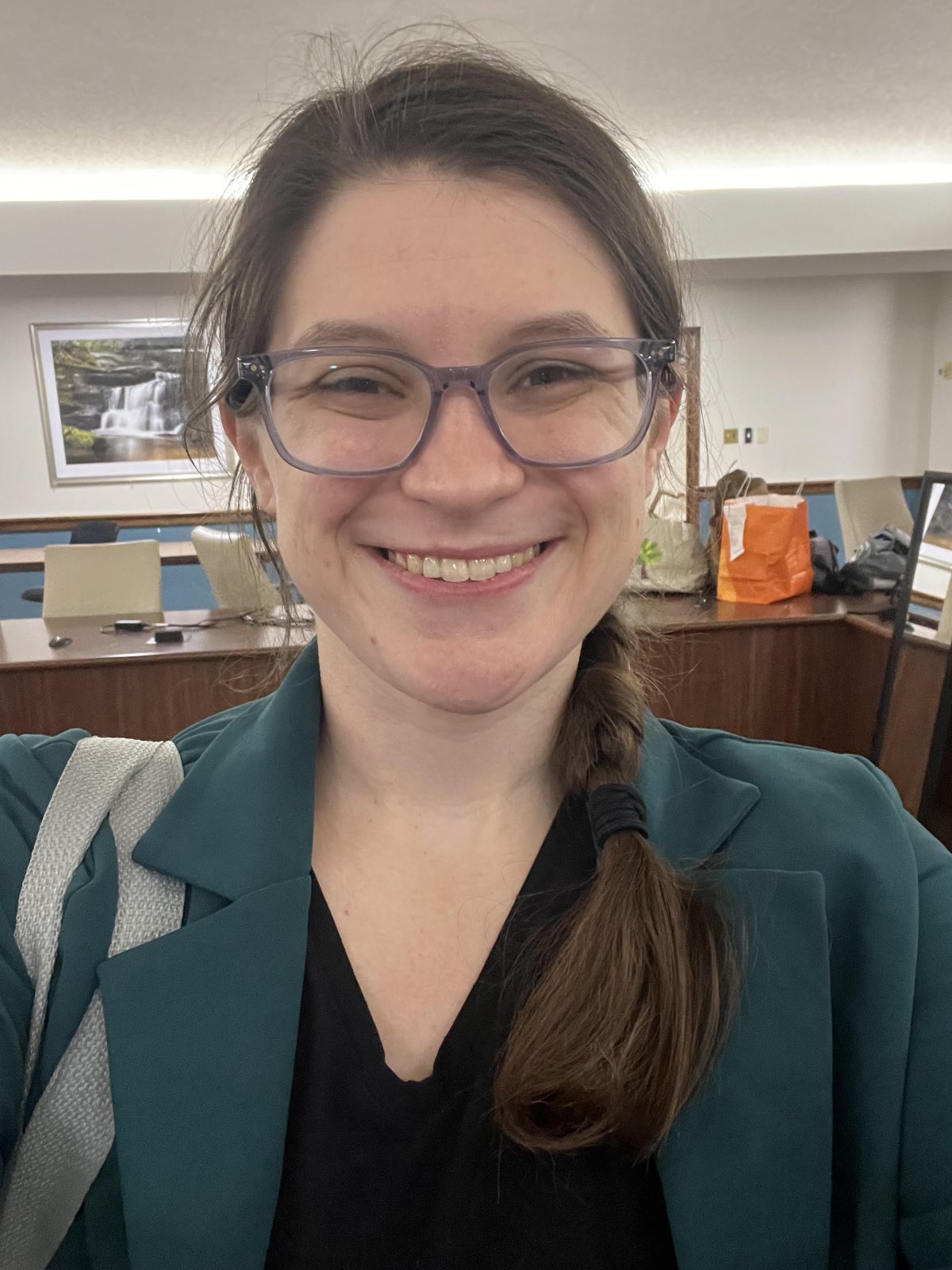
Baptist minister, graduate of Campbell Divinity School, and a neurodivergent advocate.