
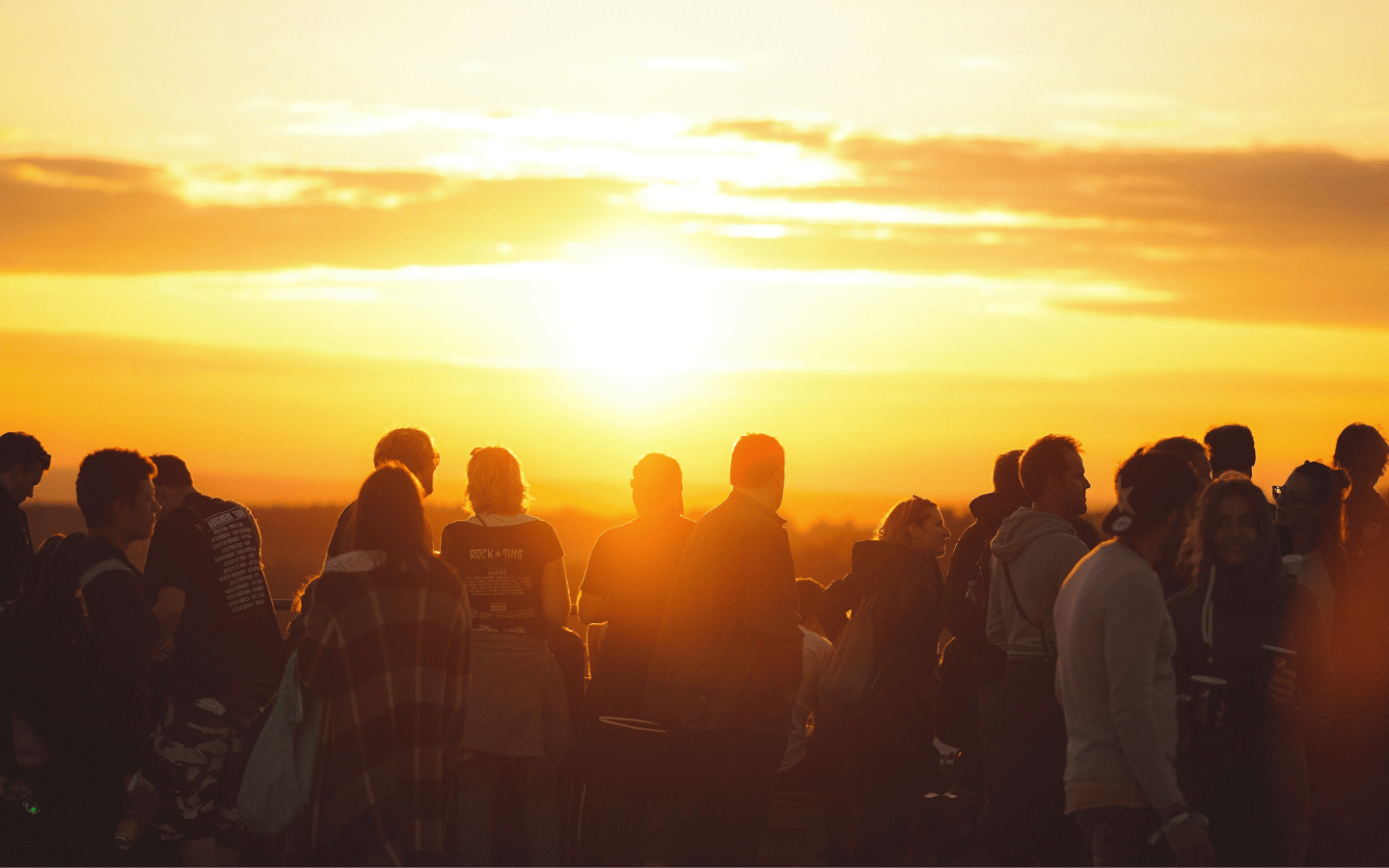
The turbulence of our political environment has reminded me how deeply communities rely on the stories they tell themselves. Those stories aren’t always true, but they feel safe.
As public narratives clash and old certainties fracture, I’ve been reflecting on how easily illusions take root and how quickly they dissolve when exposed to even a little sunlight. The same dynamics that shape families shape congregations, institutions, and even nations.
The pattern of prioritizing illusions shows up far closer to home, in the quieter places where communities and families build the narratives they depend on. Illusions don’t just feel safe; they protect the identities and structures people don’t want to reexamine.
There are stories we inherit long before we have the language to question them.
Families tell them. Churches tell them. Communities tell them.
They become the air we breathe—narratives about who we are, what we owe, and what we’re supposed to carry. Some of these stories are true, though many are not.
And the ones that aren’t true have one thing in common: They only survive in the dark.
Illusions need secrecy, silence and compliance. Truth needs sunlight.
I grew up in a world where adults insisted they were doing their best while children quietly raised themselves. Emotional instability was framed as sacrifice and neglect was reframed as resilience.
The people with the most power insisted they were powerless and the ones with the least were expected to carry the weight. That story didn’t just happen to me. It happens everywhere.
Communities build illusions to protect themselves from the discomfort of honesty.
Families build illusions to avoid accountability. Churches build illusions to preserve authority. Systems build illusions to maintain order.
And for a long time, I participated in those illusions because I didn’t know I had a choice. Sunlight is discernment, the quiet clarity that comes when you stop pretending.
When I finally told the truth about my own life, nothing dramatic happened. No confrontation. No collapse. No explosion.
The world didn’t end. The sky didn’t fall.
What happened was simpler: The illusions stopped working—not because I attacked them, but because they couldn’t survive being seen. Illusions depend on everyone agreeing not to look too closely.
They depend on the child staying silent. They depend on the community staying comfortable. They depend on the system staying unexamined.
But once sunlight enters the room, the story shifts— not just for me but for anyone who has ever been told a version of their life that didn’t match their lived reality.
Sunlight doesn’t punish. It reveals.
It shows who was carrying the weight and who was performing. It shows what was real and what was rehearsed. It shows the difference between support and the appearance of support. It shows the gap between the story and the truth. And once you see that gap, you can’t unsee it.
The gift of sunlight is not vindication. It is orientation.
It lets you turn toward your own life—not the one others scripted for you, not the one they needed you to believe, but the one you actually lived and the one you’re building now.
Illusions don’t survive sunlight, but people do.
Sunlight doesn’t just clear the air; it makes space for lives built on what’s real.
- About the Author
- Latest Posts

Baptist minister, graduate of Campbell Divinity School, and a neurodivergent advocate.