

White-body supremacy demands silence. Not to be confused with a genuine fear of saying the wrong thing, a lack of knowledge or the desire to avoid social conflict, this silence extracts, consolidates and directs all conceivable benefits towards whiteness. This specific silence, this personal avoidance regarding racialized disparities, often functions to preserve systemic advantages.
Layla F. Saad, author of Me and White Supremacy, makes it plain: “You do not have to be a white supremacist to uphold white supremacy. It is not just hate groups—it is the systems, behaviors, and silences that allow racism to thrive.”
This is not the work of a lone mute or a gang of cats who commute to watering holes to hold tongues. No, white-body supremacy is a group project and silence is a part of the deal for this white power network.
This kind of silence, this societal inaction, is an active choice to maintain privilege. By keeping quiet, individuals allow the system of white-body supremacy to remain the default.
While the system propagandizes colorblindness as a strategic ideological tool that functions as a mechanism of power and preservation of existing racialized inequities, white-body supremacy refuses observation and hides its recipients, its heirs, its pensioners. This kind of silence aids in the continual invisibility of whiteness, preventing the advantaged social identity from being seen as it is.
“White silence” is an active form of complicity. This inaction in the face of injustice protects the status quo and effectively shields white-body supremacy from liability by allowing systemic inequities to persist unchallenged.
To be sure, dominance relies, in part, on the silence of the majority. When incidents of white supremacist terrorism occur, inaction helps normalize the tragic events by failing to challenge them, allowing institutions to avoid accountability.
But this silence is rarely viewed as neutral. Instead, it is interpreted as a tool that maintains the racial status quo and protects white privilege.
These realizations have been repeated for decades. “If you are neutral in situations of injustice, you have chosen the side of the oppressor,” Archbishop Desmond Tutu explained. “If an elephant has its foot on the tail of a mouse and you say that you are neutral, the mouse will not appreciate your neutrality.”
Warnings have long been issued regarding the memory of those who said nothing in the face of injustice. “History will have to record that the greatest tragedy of this period of social transition was not the strident clamor of the bad people, but the appalling silence of the good people,” the Rev. Dr. Martin Luther King, Jr. cautioned.
For people racialized as black and brown, white silence can feel oppressive, invalidating, and deeply hurtful, signaling a lack of care or apathy since the silent majority is not personally impacted by the issue. Addressing this silence requires individuals racialized as white to lean into discomfort and move beyond passivity.
It includes educating oneself, which should lead to decentering whiteness, a divestment of its privileges, and even treason to the social identity. This affords one specific skill for everyday antiracist action.
Action item number one is a full-throated challenge of white-body supremacy and a renunciation of its privileges. If not, then you don’t really mean justice when you say it, and perhaps, it is best that you do not say anything either. This is a call for race traitors.
- About the Author
- Latest Posts
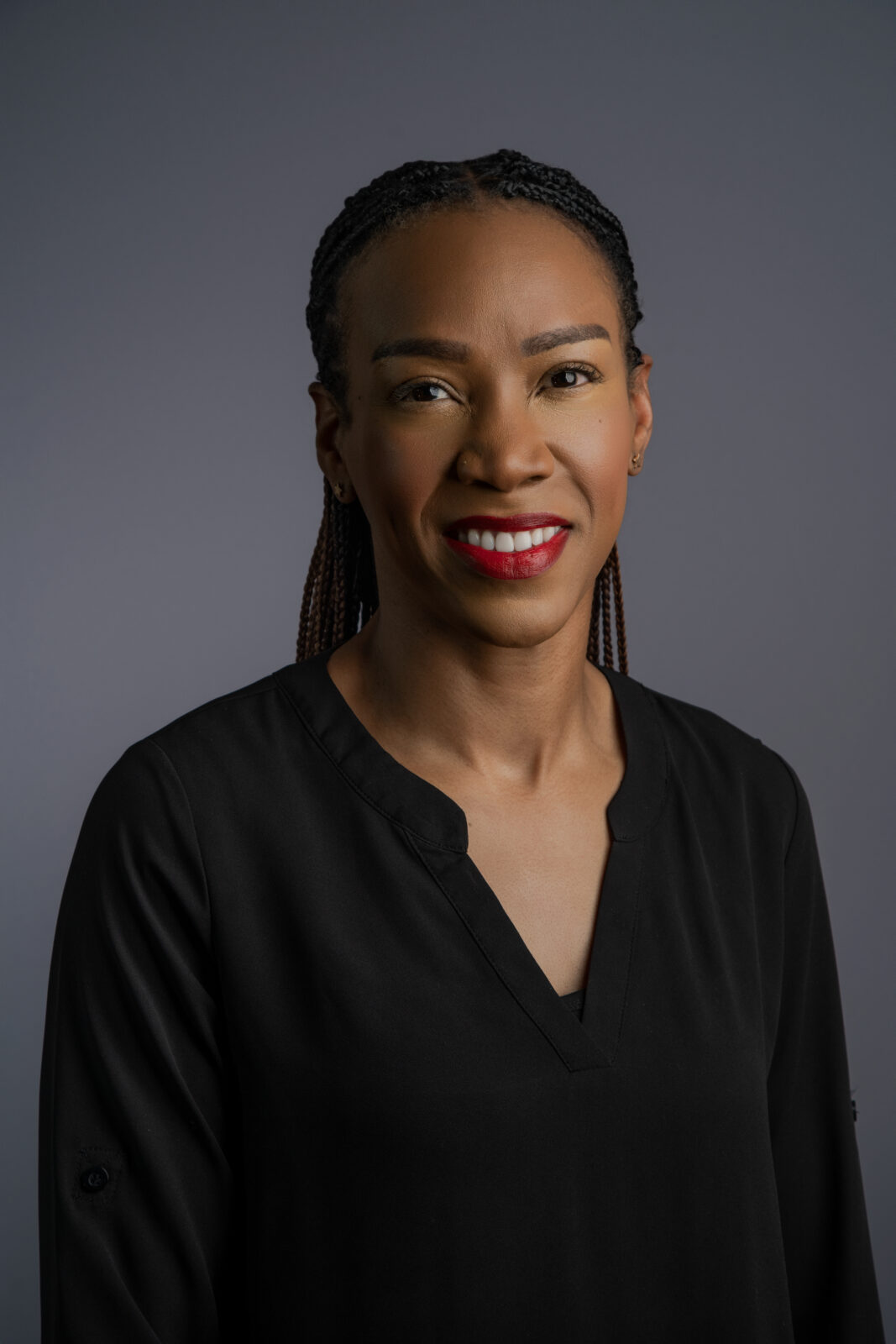
Director of The Raceless Gospel Initiative, an associate editor, host of the Good Faith Media podcast, “The Raceless Gospel” and author of Take Me to the Water: The Raceless Gospel as Baptismal Pedagogy for a Desegregated Church.