
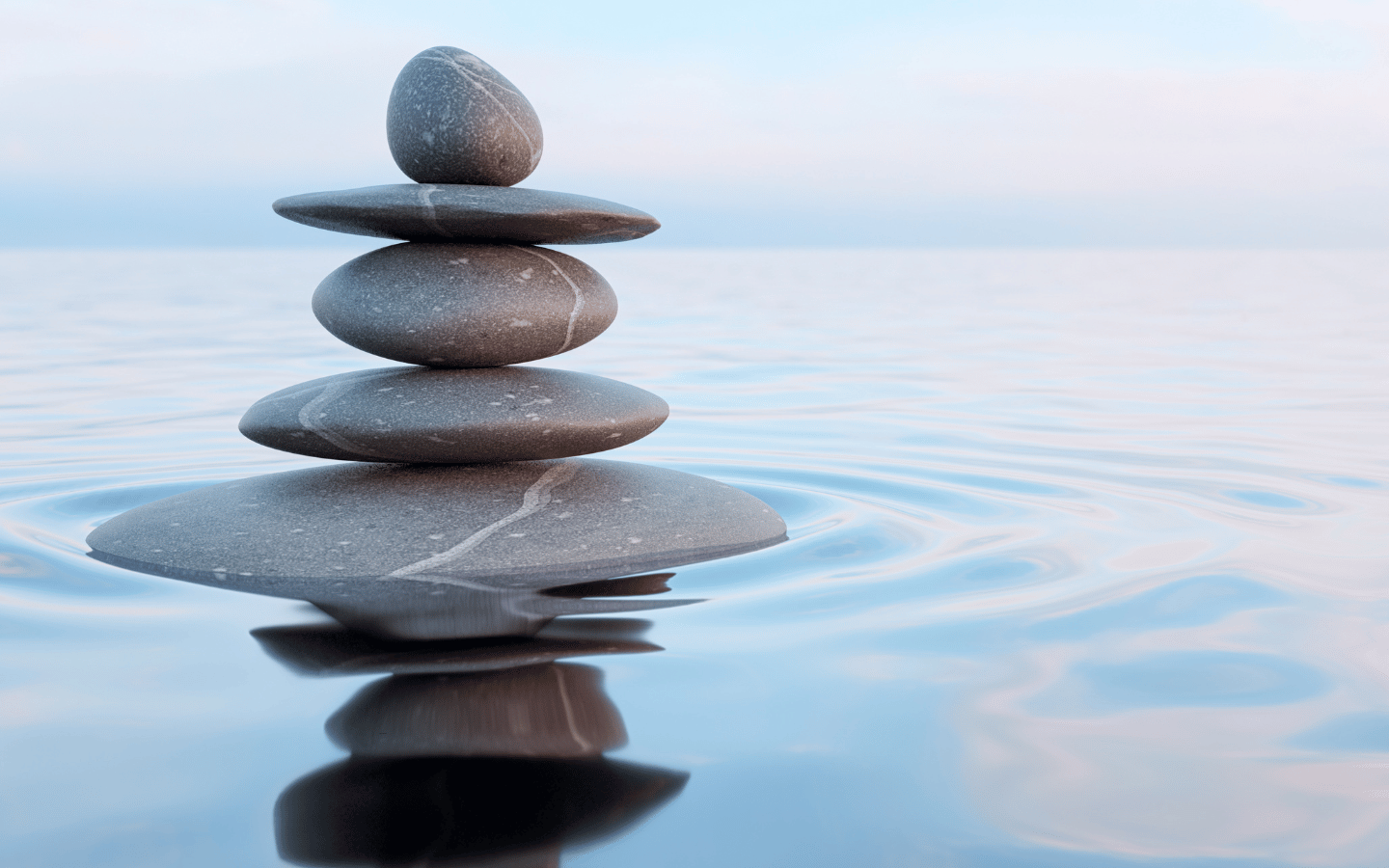
We live in a world that hands us stones every day. Not always literal rocks, but sometimes. Usually, our stones are words that cut, systems that fail, glances that slice.
Every headline feels like a hammer. Every delay, a shove. Every accusation, a weight pressing on our hands.
And somewhere in the middle of all this, a question rises: “What do we do with the stones we are given?”
The stone fits in your hand more easily than you expect. Heavy enough to wound. Light enough to throw.
Every time I read John 8, I feel it—the weight of that stone, the trembling in the fingers that hold it. But inside the human body, it feels like tension with nowhere to go.
Rocks appear throughout the scriptures. In Joshua, the Israelites crossed the Jordan River and gathered stones to build a monument, a marker of God showing up in the world. Stones became memory, testimony, a reminder that the earth itself can witness grace.
But here, in the temple courtyard, the stones in hand feel different. Sharp. Loaded. Dangerous.
A woman stands accused. No one asks about her story.
No one names her pain. The Pharisees bring her forward, a living question: “What will you do, Teacher? Will you enforce the law, prove your power, follow fear?”
The crowd tightens around her. Every pair of eyes is a weight. Every breath, a judgment.
The stones are in their hands, but the question is in their hearts.
And then Jesus does something remarkable. He bends down, writes on the ground, and turns the moment inside out. “Let anyone among you who is without sin be the first to throw a stone” (John 8:7).
The silence is a wound. It stretches across the courtyard.
Every hand trembles. Every conscience flickers. And one by one, the stones fall.
The stones in their hands had a history. They came from the earth, older than empires, older than us.
And like the stones, the choices we carry are not fixed. One stone thrown can kill. One stone laid down can create a path.
I know this weight. I know what it is to be misread, to have your pain counted as a nuisance.
Your survival strategies are called quirks. Sunglasses are armor. Earplugs are lifelines. People and routines are first aid.
I’ve carried these stones—the glare, the noise, the condescending remarks—and learned that survival itself is holy work.
The woman in John 8 was seen. Not as sin or shame, but as a daughter of the Most High God. She became more than an accusation.
I think about how often we fail to see each other the same way. We use the stones in our hands—our pride, our assumptions, our fears—to build walls instead of paths.
The stones on the path can save you. Walking in the woods, I notice how countless little rocks pave a trail.
Alone, each seems insignificant, random. But together, they prevent me from losing my way when I have no freaking idea where to go. So it is with people.
One person’s judgment is crushing. One hand extended can offer compassion. Together, we create a trail through chaos.
The stones are still there at our feet. Judgment is easy. Mercy requires trembling hands. We hold them anyway because letting go feels like risking everything.
And yet, when we release them, that’s the exact place where healing begins.
Jesus saw her. Not the accusation. Not the trap. Not the spectacle. Just her.
And in doing so, he showed the pattern of survival, the work of mercy: see fully, listen deeply, act tenderly.
May we, too, lay our stones down. May the dust of our hands rise like prayer. May our trembling, our listening, our persistent care become the path forward.
And may the stones we do not throw but place down gently become bridges, memorials, and markers of God’s presence among us.
Jesus turned to a woman accused of a crime and said, “Daughter, I do not condemn you. Go and sin no more” (John 8:11).
We are not condemned either. May we go in peace, laying down the stones before us to create a path ahead.
- About the Author
- Latest Posts
Baptist minister, graduate of Campbell Divinity School, and a neurodivergent advocate.